Contact Info

 Google Ads
What does a Google Ads consultant do?
A Google Ads consultant plans, builds and improves Google Ads accounts so spend goes toward searches and audiences that produce qualified leads and sales. I structure Search and Performance Max campaigns, manage keywords and negative keywords, set up accurate conversion tracking, import offline conversions from your CRM and improve landing pages. The aim is bidding that learns from real business outcomes, not just form fills.
Last reviewed by Vikas Saroj
Google Ads reaches people at the moment they search for what you sell, which makes it one of the most direct paid channels available. It is also easy to waste money on: broad keywords, unchecked search terms, automated campaigns optimizing toward the wrong conversion and landing pages that do not answer the searcher's question.
As a Google Ads consultant, I focus on the parts that decide whether spend turns into revenue. That means clear campaign structure, disciplined keyword and negative keyword management, conversion tracking you can trust and offline conversions imported from your CRM, so Google's bidding learns which clicks become qualified leads and customers.
I work remotely with B2B companies and service businesses worldwide. I can audit and restructure an existing account, build one from scratch, or advise your in-house team or agency. This page goes deeper on Google Ads; my paid marketing consulting page covers the wider channel mix.

 What I Do
Every service below is built around one question: is this spend producing the kind of leads and customers your business actually wants?

A structured review of campaign structure, keywords, search terms, bidding, conversion setup, audiences, ad assets and landing pages, with a prioritized list of what is wasting spend and what to fix first.

Campaigns organized around services and buyer intent, with focused ad groups, relevant responsive search ads, sensible match types and bidding aligned to the conversions that matter to your business.

Deciding whether Performance Max suits your goals, then setting it up with quality asset groups, audience signals, brand exclusions and conversion goals, and reviewing it against Search rather than in isolation.

Regular search term reviews and shared negative keyword lists that filter out job seekers, irrelevant services, free-tool searches and other queries that will never become customers.

Google Ads conversion tags or GA4 imports set up through Google Tag Manager, with clear primary and secondary goals, enhanced conversions where appropriate and consent settings reviewed.

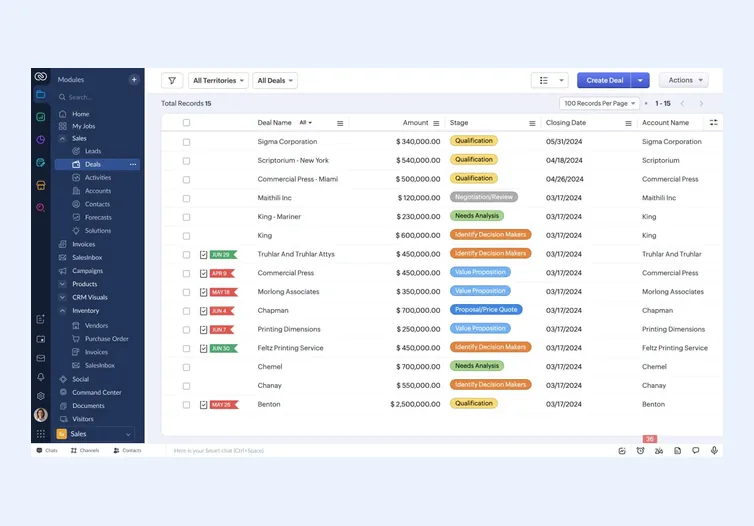
Importing qualified lead, opportunity and closed-won stages from your CRM into Google Ads, so Smart Bidding optimizes toward real sales outcomes rather than every form submission.
Reviewing and improving landing pages for message match, clarity, proof, form length and speed, so the page keeps the promise the ad made and makes the next step obvious.

Reports that show cost per qualified lead and pipeline by campaign alongside platform metrics, with a short commentary on what changed, why and what happens next.
How I Work
Find where spend and signal leak
 Account and campaign structure
Search term and keyword review
Conversion tracking check
Landing page assessment
Account and campaign structure
Search term and keyword review
Conversion tracking check
Landing page assessment
Fix structure, tracking and pages
Campaign restructure by intent
Negative keyword lists
Tracking and enhanced conversions
CRM offline conversion import
Landing page improvements
Improve using pipeline data
Weekly search term reviews
Ad and asset testing
Bid strategy adjustments
Pipeline-based reporting
Google Ads management is the ongoing work of deciding where your ads appear, what they say, how much you bid and how success is measured. The platform automates more of this every year, which changes the job rather than removing it. Automation needs clear goals, accurate data and sensible limits. Without those, it optimizes efficiently toward the wrong outcome.
My work covers the decisions that automation cannot make for you:
For B2B companies and higher-value services, there is an extra challenge. The real outcome, a qualified opportunity or a signed contract, happens weeks later in a CRM. If Google Ads only sees form submissions, it cannot tell a serious buyer from a student researching a project. Closing that gap is where my background in CRM consulting and business systems makes a practical difference.
I do not promise lead volumes or costs. Results depend on your market, competition, offer and sales process. I commit to sound structure, accurate measurement and steady, evidence-based improvement.
An audit tells you where money is being wasted and where measurement is misleading you. I work through the account in a fixed order, because problems further down depend on the ones above them.
You receive a written report with findings, evidence from the account and a prioritized action list. Some fixes take an hour, others need developer or sales team input. I separate them so you can act on quick wins while the bigger changes are planned.
Search campaigns remain the core for most B2B and service businesses. You choose the keywords, see the search terms and control the message for each intent. I structure them around your services and buyer intent, keep ad groups focused and use match types deliberately rather than defaulting to broad match everywhere.
Performance Max is Google's goal-based campaign type. It uses your assets, audience signals and conversion goals to serve ads across Search, YouTube, Display, Discover, Gmail and Maps from a single campaign. It can find demand that keyword lists miss, especially for ecommerce and businesses with strong conversion data. It also gives you less control and less visibility into where spend goes, and it will happily optimize toward easy, low-value conversions if those are what you measure. I recommend it when your conversion signal is reliable, usually after offline conversions are in place, and I review it alongside Search with brand exclusions where appropriate.
Negative keywords are the simplest, most neglected lever. Reviewing search terms regularly and maintaining shared negative lists stops spend on job seekers, free-tool searches, unrelated industries and competitor navigation. It is routine work, but it is often one of the first places an account improves.
Smart Bidding is only as good as the conversions it learns from. I start by cleaning up conversion tracking: one clear primary goal, secondary actions that do not distort bidding, tags deployed through Google Tag Manager, enhanced conversions where privacy rules and your setup allow, and consent mode configured for the regions you advertise in.
The bigger step is offline conversion import. The process works like this:
Once this runs reliably, bidding can learn which searches lead to real pipeline. It also gives you honest reporting: cost per qualified opportunity by campaign, not just cost per form fill.
This only works when CRM stages are used consistently. If your sales team skips stages or leads sit unworked, the data becomes noise. I design the flow with sales and, where the CRM itself needs work, my CRM consulting and system integration services cover it.
Many accounts lose more value after the click than before it. A searcher looking for a specific service lands on a generic homepage, a slow page or a form asking for too much too early. I review landing pages against the ads and keywords that send traffic to them, and recommend practical changes:
Measurement then ties it together. The KPIs I report on include impression share for priority terms, click-through rate, conversion rate by landing page, cost per lead, cost per qualified lead, opportunities and pipeline value by campaign, and close rate where deal data allows. Platform metrics explain what happened in the account. CRM metrics show whether it mattered.
Google Ads also works better alongside other channels. Paid search data reveals which terms convert, which can guide SEO priorities, and a structured B2B lead generation process makes sure paid leads are followed up properly.

Tell me about your business and current systems. I’ll suggest the most sensible first step.
Book a Consultation
Not sure where growth is leaking?
Share your goals and current funnel with me. I will look at search, ads and CRM data together and tell you where the next lead is most likely to come from.
By Country
Pages written for each market: local tax, e-invoicing, data hosting, migration sources and how the work runs remotely there.
FAQ
It depends on your goals and data. Search gives control and visibility over keywords and messaging, which suits most B2B and service businesses. Performance Max can find additional demand across Google's inventory but needs reliable conversion signals and gives less transparency. I usually start with well-structured Search, then test Performance Max once tracking is solid.
Offline conversions are outcomes that happen after the click, usually recorded in your CRM, such as a lead becoming qualified or a deal closing. Importing them into Google Ads lets bidding optimize toward real sales results and lets you report cost per qualified opportunity by campaign rather than cost per form fill.
I do not give a figure without context. It depends on keyword competition in your markets, how many services and locations you target, deal values and how quickly you need data to learn. I help you define a test budget you are comfortable with, measure qualified outcomes, then scale or reallocate based on evidence.
Yes. Some clients want an independent audit and restructure, then hand over day-to-day management. Others want ongoing advisory on strategy, tracking and reporting while their team runs the account. I can also manage the account directly. We agree the model at the start based on your capacity.
No. Costs depend on competition, auction dynamics, your offer, landing pages and seasonality, none of which any consultant controls. What I commit to is clean structure, accurate tracking, disciplined search term management and reporting that shows which campaigns produce qualified pipeline, so decisions are based on evidence.
Every business is different. Share where you are today and what you want to fix, and I’ll tell you honestly whether and how I can help.
Book a Consultation
Insights
 Book a Consultation
Book a consultation to talk through your processes, systems and goals. I’ll reply with practical next steps - no obligation.