Contact Info

 ERPNext Consulting
What does an ERPNext consultant do?
An ERPNext consultant helps a business decide whether ERPNext, a fully open-source ERP built on the Frappe framework, fits its needs and then implements it around real processes. I configure accounting, buying, selling, stock, manufacturing, projects, CRM and Frappe HR, keep customization to custom DocTypes and scripts that add real value, and handle migrations, integrations and reviews of ERPNext setups that have become hard to maintain.
Last reviewed by Vikas Saroj
ERPNext is a fully open-source ERP built on the Frappe framework and released under the GPL license. It covers accounting, buying, selling, stock, manufacturing, projects and CRM, with Frappe HR available for people processes. There are no license fees for the software itself, which makes it attractive for growing businesses that want control over their system.
Open source does not mean effortless. ERPNext still needs careful process design, sensible configuration and restraint with customization. As an independent ERPNext consultant, I help you decide whether it fits, then implement it around how your business actually runs, with customization kept to what genuinely adds value.
I work remotely with businesses worldwide on new ERPNext implementations, migrations from spreadsheets and other systems, Frappe-based customization and reviews of existing ERPNext setups that have become hard to maintain or upgrade. The goal is always an ERP your own team can understand and run.
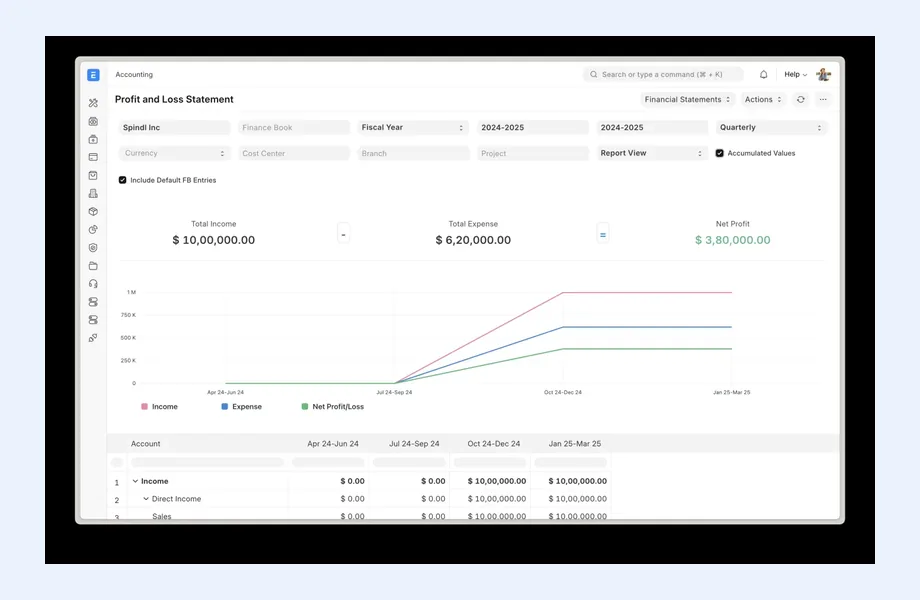
 What I Do
From the first fit-gap review to post-launch support, these are the areas I cover on ERPNext and the Frappe framework.

Independent advice on whether ERPNext fits your business, which modules you need, how to host it and where gaps exist, so you decide with a clear view of effort and trade-offs.

Structured rollout covering company setup, masters, workflows, user roles and permissions, testing, training and go-live, phased where that reduces risk to daily operations and lets each team adopt the system properly.

Chart of accounts, cost centers, taxes, multi-currency, payment terms, bank reconciliation and financial reports configured with your finance team and local accountant to reflect how you close the books.

Warehouses, item variants, batch and serial tracking, valuation, reorder levels, bills of materials, work orders and job cards set up to match how materials and products actually move.

Leads, opportunities, quotations, sales orders, pricing rules and customer records in ERPNext, connected to stock and accounting so sales teams see accurate availability and outstanding balances.

Employees, attendance, leave, shifts, expense claims and payroll structures in Frappe HR, configured to your policies and checked against local payroll and compliance requirements before use.

Custom fields, custom doctypes, client and server scripts, print formats, reports and custom Frappe apps, built in a way that keeps core ERPNext untouched and upgrades manageable.

Connecting ERPNext with ecommerce stores, payment gateways, banks, CRMs and internal tools through its REST API and webhooks, with clear data ownership and error handling.

Moving data from spreadsheets, older accounting software or another ERP into ERPNext, with field mapping, cleansing, opening balances, stock quantities, test imports and reconciliation before go-live.

Approval workflows, notifications, auto-repeat documents, scheduled jobs and assignment rules that cut manual follow-up, reduce data re-entry and keep purchase, sales and payment transactions moving without constant chasing by email.
How I Work
Confirm fit before any build
 Process mapping and requirements
Fit-gap against standard ERPNext
Hosting and support model
Agreed scope and phases
Process mapping and requirements
Fit-gap against standard ERPNext
Hosting and support model
Agreed scope and phases
Configure, extend and migrate
Module configuration and masters
Custom doctypes and scripts
Integrations with existing tools
Test data migrations
User acceptance testing
Go live and keep improving
Cutover and go-live support
Role-based user training
Admin and developer documentation
Upgrade and improvement planning
ERPNext suits many small and mid-sized businesses in trading, distribution, manufacturing and services, particularly those that value open source, want to avoid per-user license fees, or need the freedom to extend the system. Because it is released under the GPL, you can run it, inspect the code and modify it without being tied to a single vendor.
It is not the right answer for everyone. Total cost still includes implementation, hosting, customization, support and internal time. Businesses that need a very large ecosystem of ready-made industry apps, or that have no appetite for managing a technical partner, may be better served elsewhere. I compare options honestly, as I do in Odoo vs ERPNext and how to choose an ERP.
My approach is the same on every platform: business first, technology second. Before configuring anything, I map how orders, purchases, stock, production and payments flow through your business today, and where they break. That map drives the fit-gap analysis, which tells us what ERPNext handles out of the box, what needs configuration and what genuinely needs custom work. You get a clear picture of effort before committing, rather than discovering gaps halfway through the project.
ERPNext covers the core of a small or mid-sized business in one system built on the Frappe framework. Because every module shares the same database and document model, a sales order, delivery note, invoice and payment are linked records rather than copies passed between apps.
| Area | What it covers |
|---|---|
| Accounting | General ledger, receivables, payables, banking, taxes, cost centers and financial statements |
| Selling and CRM | Leads, opportunities, quotations, sales orders, pricing rules and customer management |
| Buying | Material requests, supplier quotations, purchase orders and supplier management |
| Stock | Items, warehouses, batches, serial numbers, stock transfers and valuation |
| Manufacturing | Bills of materials, work orders, job cards, production planning and subcontracting |
| Projects and assets | Projects, tasks, timesheets, fixed assets and maintenance |
| Quality and support | Quality inspections, issues and service level tracking |
HR and payroll run through Frappe HR, a separate app on the same framework. Reporting uses built-in reports, a report builder and custom query or script reports for specific needs.
Not every business needs every module. I start with the processes that cause the most friction, often stock and accounting together, and add modules once the core is stable. The selection is driven by the requirement list and gap analysis, not by what happens to be available.
ERPNext can be hosted in two main ways, and the right choice depends on your technical capacity and control requirements.
| Option | What it is | Good fit when |
|---|---|---|
| Frappe Cloud | Managed hosting for Frappe and ERPNext sites, run by the team behind the framework | You want updates, backups and infrastructure handled for you |
| Self-hosting | ERPNext installed on your own servers or cloud account | You need full control, specific data residency or already run in-house infrastructure |
Frappe Cloud reduces the operational burden and still allows custom apps. Self-hosting gives complete control but makes your team responsible for security, backups, monitoring, performance and version upgrades. Either way, the software remains open source, so you are not locked into one provider. Details of the product are available on frappe.io/erpnext.
I help you weigh these options against your IT resources, compliance needs, budget and customization plans before installation, and document the backup and upgrade routine either way.
My ERPNext implementations follow the same business-first journey I use on every platform, with a few steps specific to Frappe.
Because ERPNext is open source, you own the system and its code. That makes good documentation essential: I make sure configuration decisions, custom scripts and integration specifications are recorded so your team or any future developer can support the system. For an existing setup that has become unstable, an ERP health check is a good starting point.
The Frappe framework makes ERPNext very extensible. You can add custom fields, create entirely new doctypes, write client scripts and server scripts, design print formats and build full custom apps. That flexibility is a strength, but uncontrolled customization is one of the most common reasons ERPNext systems become hard to upgrade and maintain.
I follow a few simple rules. Standard features and configuration come first. Changes are made through custom apps, custom fields and scripts rather than by editing core ERPNext code. Every customization is tied to a documented business requirement and recorded so your team, or another developer, can understand it later. Before major version upgrades, custom work is tested on a staging copy.
Migration follows the same discipline. Moving from spreadsheets or another system means agreeing what history to bring across, mapping fields, cleaning duplicates, and reconciling opening balances and stock with finance and warehouse teams after each test import. My ERP migration checklist covers the key steps, and my broader ERP consulting page explains how ERPNext fits into a platform-agnostic approach.
ERPNext offers a lot for its cost profile, but it is not the right platform for every business. These are the limitations I discuss openly before any commitment.
Where these limitations are significant, I compare ERPNext with Odoo or Microsoft Dynamics 365 against the same requirement list. Where they are manageable, ERPNext can give you a capable, open ERP that you fully control.

Tell me about your business and current systems. I’ll suggest the most sensible first step.
Book a Consultation
Not sure which ERP you need?
Share your business requirements with me and I will help you understand the right process, architecture and platform before implementation.
Platforms
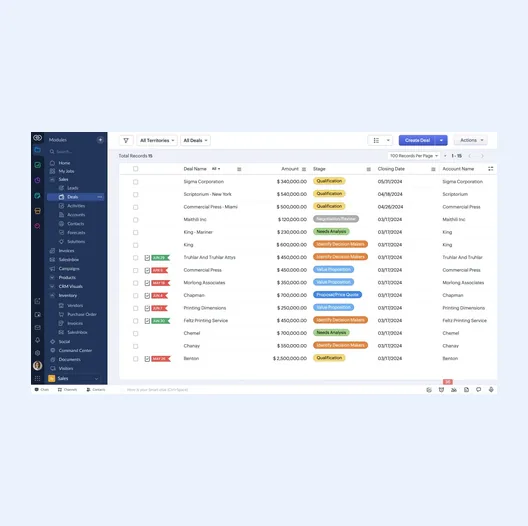
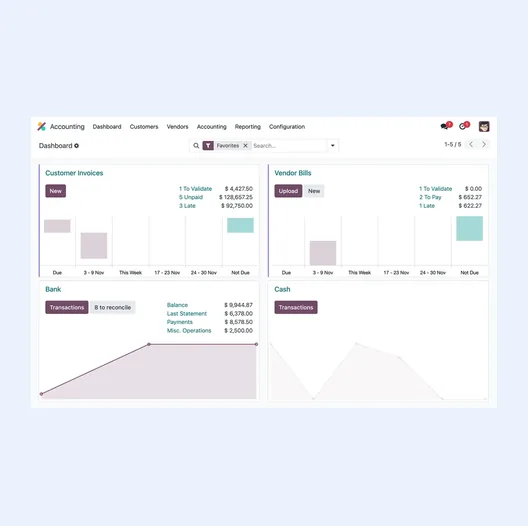
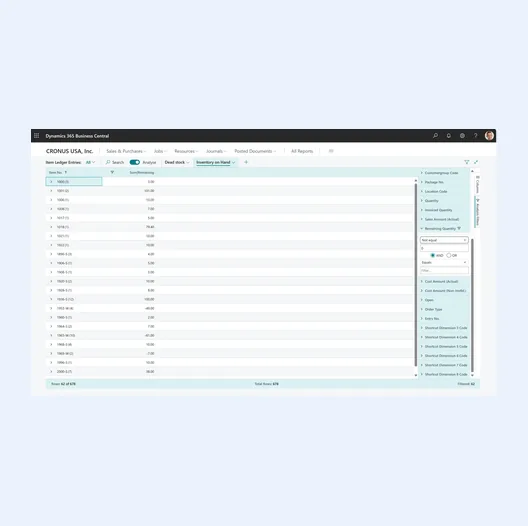 By Country
Pages written for each market: local tax, e-invoicing, data hosting, migration sources and how the work runs remotely there.
FAQ
The ERPNext software is open source under the GPL, so there are no license fees for the software itself. You still pay for hosting, whether on Frappe Cloud or your own infrastructure, and for implementation, customization, support and training. Those costs depend on scope, so it is worth planning them from the start.
No. I am an independent consultant, not an official Frappe partner. My recommendations are based on what fits your business. You can host on Frappe Cloud or any infrastructure you choose, and I focus on analysis, configuration, customization, integration and migration.
ERPNext covers core ERP areas such as accounting, buying, selling, stock, manufacturing, projects and CRM. HR and payroll functionality is provided by Frappe HR, a separate app built on the same Frappe framework that installs alongside ERPNext. Payroll rules vary by country, so I check local requirements before configuring it.
Yes. Using the Frappe framework I can add custom fields, custom doctypes, client and server scripts, reports, print formats and custom apps. I keep customization in a separate app rather than editing core code, which makes future upgrades far easier, and I document each change against the requirement it solves.
Yes. I plan migrations from spreadsheets, accounting packages and other ERPs, including field mapping, data cleansing, opening balances and stock quantities. Test imports are reconciled with your finance and operations teams before the final cutover, so you start on ERPNext with numbers you can trust.
Every business is different. Share where you are today and what you want to fix, and I’ll tell you honestly whether and how I can help.
Book a Consultation
Insights
 Book a Consultation
Book a consultation to talk through your processes, systems and goals. I’ll reply with practical next steps - no obligation.