Contact Info

 ERPNext in the UAE
Is ERPNext a good ERP for UAE businesses?
ERPNext suits many UAE trading, contracting and service groups that want open-source software, multi-company accounting in dirhams and control over hosting. Fit depends on how VAT reporting, corporate tax ledgers, the national e-invoicing program, Arabic documents and WPS payroll will be handled. As an independent ERPNext consultant, I check those points first and then guide the implementation remotely.
Last reviewed by Vikas Saroj
A typical UAE ERPNext prospect is a trading or contracting group with a mainland company, a free zone entity and perhaps a sister company elsewhere in the GCC, buying in dollars or euros and invoicing in dirhams. ERPNext handles multiple companies, currencies and inter-company transactions on one site, which is a large part of its appeal here.
The questions that need answers before you commit are local ones. How will VAT returns be prepared, how will ledgers support corporate tax work, and how will ERPNext connect to the national e-invoicing program as it rolls out? I treat those as requirements to verify, not features to assume.
Clients from Abu Dhabi to Ras Al Khaimah work with me remotely, with live sessions scheduled inside the UAE working week. I act as your independent ERPNext consultant, separate from any implementer, app developer or hosting provider, so my advice is shaped only by your requirements.
 What I Do
Most UAE ERPNext engagements combine a tax-aware finance design with stock-heavy operations. These are the areas I cover.

Tax templates, item tax rules and Emirate-level detail checked against the VAT return your accountant prepares, including reverse charge on imports and designated zone scenarios where they apply.

Chart of accounts, accounting dimensions and entity structure designed so that taxable income, related-party transactions and adjustments can be traced, following your tax advisor's guidance.

Separate ERPNext companies for mainland, free zone and GCC entities, with inter-company invoices, agreed rules for shared item and customer masters, and consolidated reporting in dirhams for owners and lenders.

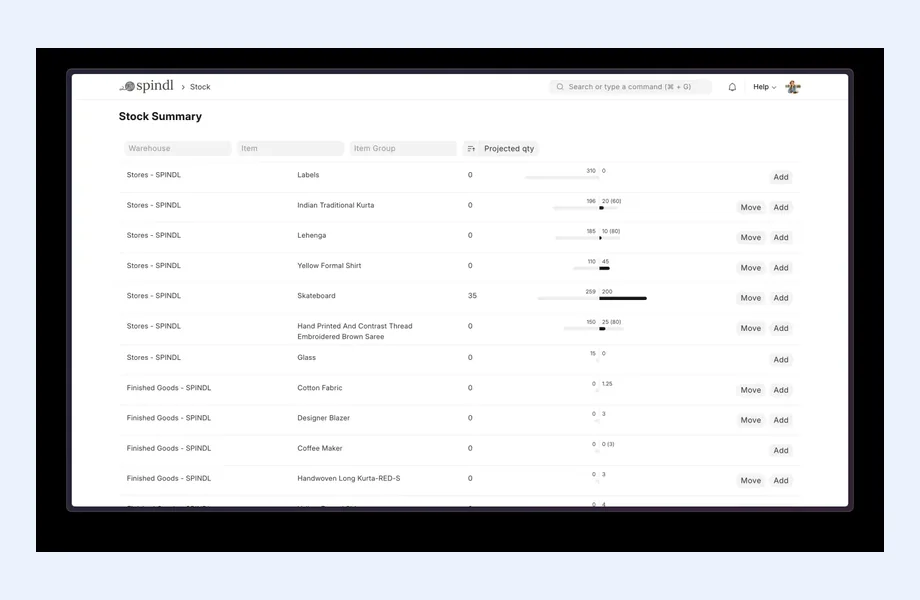
Purchase in foreign currency, landed cost vouchers for freight, duty and clearing charges, batch tracking and multi-warehouse stock so margins in dirhams reflect the real cost of goods.

Assessing Frappe HR for attendance, leave, gratuity and payroll, and planning how salary information file output for the Wage Protection System will be produced and checked with your bank.

Requirements, fit-gap list, implementer evaluation and UAT coordination handled on your side of the project, so the firm doing the build is measured against a clear, written scope that your managers have approved.
How I Work
Entities, tax and operations mapped
 Entity and license structure review
Order, stock and project walkthroughs
Tax reporting requirements list
Hosting and support decision
Entity and license structure review
Order, stock and project walkthroughs
Tax reporting requirements list
Hosting and support decision
Build, migrate and test
Multi-company configuration
Bilingual print formats
Opening balances by entity
VAT return test run
Payroll and WPS dry run
Stabilize after go-live
First VAT period review
Consolidated reports for owners
E-invoicing roadmap tracking
Admin handover and documentation
ERPNext gives you the building blocks for UAE VAT: sales and purchase tax templates, item-level tax rules, tax categories for customers and suppliers, and reports built from posted transactions. Earlier releases also shipped UAE-specific regional features. What your installed version and any regional apps provide today should be confirmed on a test site rather than assumed, because regional code has moved between core and separate apps over time.
My checks usually cover:
E-invoicing in the UAE is still being rolled out, so the honest position is that you should plan for it rather than expect a finished answer today. I document the open questions and revisit them as the program matures. Please confirm current tax requirements with your tax advisor. My ERP consultant in the UAE page gives the wider compliance context.
One of ERPNext's practical strengths for UAE groups is that several companies can live on one site. Each entity keeps its own chart of accounts, fiscal settings, default currency and tax templates, while items, customers and suppliers can be shared where that makes sense.
That flexibility needs rules. I agree with your finance team which masters are shared and which are entity-specific, how inter-company sales and purchases are raised so both sides post together, and how management reports roll up in dirhams. For a sister company in Saudi Arabia or Oman, the design also has to respect that country's tax setup, which may mean a separate site or extra apps rather than simply another company.
Currency handling matters in trading. Purchases often arrive in USD, EUR or CNY, and ERPNext records exchange rates on each transaction and posts exchange gains and losses on payment and revaluation. I test those flows with real supplier invoices, along with multi-company and multi-currency reporting.
Arabic is the other recurring requirement. The ERPNext interface can run in Arabic, and print formats can carry Arabic and English side by side. I design invoices, delivery notes and statements early, because bilingual documents often expose master data gaps that are cheaper to fix before migration.
The UAE businesses that get most from ERPNext usually move a lot of stock or run many small projects. Three patterns come up often.
Trading and distribution. Importers need landed cost vouchers to spread freight, duty and clearing charges onto items, batch or serial tracking, price lists by customer segment and credit control. Re-exporters through free zones also need clear documentation of goods movements. ERPNext accounting and stock together cover most of this with configuration.
Contracting. Projects, material requests, timesheets and project-wise costing are standard. Progress billing, retention and variations tend to need extra fields, scripts or a compact add-on app, which I define line by line before anyone builds.
Facility management. Maintenance schedules, asset records and service visits can be modeled, but contract billing for many sites often needs careful design. The facility management page explains the wider requirements.
Payroll is common to all three. Frappe HR covers employees, attendance, leave, gratuity and salary structures. WPS salary files have to match your bank's format, so I plan how they will be generated and test them before the first live run. Where workforces are large or spread across camps and sites, a specialist payroll product linked to ERPNext may be the safer choice.
Before installation, decide where ERPNext will run. A managed Frappe Cloud site removes server work from your plate, so the main check is whether its current locations satisfy your customers and regulators. Installing ERPNext inside the country, on a UAE hyperscale region or local hosting firm, keeps records onshore, with your own IT staff or a contracted provider then looking after patches, monitoring and upgrades. Some sectors, such as those handling regulated financial or health data, may have stricter residency expectations that should be confirmed with your advisors.
The UAE has a mix of ERPNext implementers, freelance Frappe developers and firms that cover several platforms. Choice is good, but proposals vary widely in how much they customize and how well they document. As an independent consultant, I do not take commission on hosting or development, so I can help you choose on approach and evidence.
In practice, I prepare the requirement list, run the fit-gap analysis, review proposals, and stay involved as your client-side lead through build and UAT. I schedule workshops within the UAE working week and plan around public holidays and Ramadan hours. The ERP gap analysis and vendor selection pages explain those steps.
ERPNext is a strong option for many UAE companies, but I advise against it in some situations:
A mixed result is common: ERPNext may fit the trading company but not the hotel in the same group. I then score options side by side; my pages on Zoho or ERPNext and Odoo or ERPNext show the dimensions I use. Read the ERPNext consulting overview for the platform itself, or the UAE hub for my broader work with Emirati businesses.

Tell me about your business and current systems. I’ll suggest the most sensible first step.
Book a Consultation
Not sure which ERP you need?
Share your business requirements with me and I will help you understand the right process, architecture and platform before implementation.
FAQ
ERPNext records VAT through tax templates and item tax rules, and reports can be built from posted transactions. Whether your installed version provides the return figures directly, or needs a custom report, should be checked on a test site. I verify Emirate-level and reverse charge figures with your accountant before go-live.
The UAE program is still being rolled out, so treat this as a planning question. Connection would likely come through a community app, a service provider connector or custom integration. I document the options, who would maintain them and the risks, and revisit them as requirements are confirmed. Check timing with your tax advisor.
Yes. ERPNext supports several companies on one site, each with its own accounts, currency and tax settings, plus inter-company transactions and consolidated reporting. I agree with your finance team which masters are shared, how inter-company flows post and how owners see group results in dirhams.
Frappe HR runs salary structures, attendance, leave and gratuity. WPS files must match your bank's required format, which usually means a custom report, a community app or an export step. I plan and test the file with your bank before live payroll, and recommend a specialist payroll product where workforce complexity justifies it.
Every business is different. Share where you are today and what you want to fix, and I’ll tell you honestly whether and how I can help.
Book a Consultation
Insights
 Book a Consultation
Book a consultation to talk through your processes, systems and goals. I’ll reply with practical next steps - no obligation.