Contact Info

 Paid Marketing
What does a B2B paid marketing consultant do?
A B2B paid marketing consultant plans, structures and measures ad campaigns so spend can be tied to qualified opportunities rather than just clicks. I work across Google Ads, LinkedIn Ads and Meta Ads, setting up clean conversion tracking, relevant landing pages and offline conversions from your CRM, so ad platforms optimize for real business outcomes. I audit existing accounts, build campaigns from scratch or advise in-house teams and agencies.
Last reviewed by Vikas Saroj
Paid advertising can generate demand quickly, but for many B2B companies it turns into a cost center with unclear returns. Clicks and form fills are reported, yet nobody can say which campaigns produced qualified opportunities or closed deals. The gap is usually in tracking, targeting and the handoff to sales.
I help businesses plan, structure and measure paid campaigns on Google Ads, LinkedIn Ads and Meta Ads, with a focus on the full journey from ad to CRM. That means clean conversion tracking, relevant landing pages, and offline conversion data flowing back from your CRM so platforms optimize for real business outcomes.
I work remotely with B2B companies and growing businesses worldwide, either auditing and restructuring existing accounts, setting up campaigns from scratch, or advising an in-house team or agency on strategy, tracking and measurement so everyone works from the same numbers.
 What I Do
B2B buyers take time, involve several people and rarely convert on the first click. These services are designed around that reality.

Defining target accounts, buyer roles, offers and channel mix based on your sales process and deal values, so paid campaigns support pipeline goals rather than chasing cheap clicks.

Search, Performance Max and remarketing campaigns structured around buyer intent, with careful keyword selection, negative keywords, ad copy testing and bidding strategies aligned to qualified conversions.

Campaigns targeting by job function, seniority, industry and company, using lead gen forms or landing pages, designed for reaching decision-makers and influencers in considered B2B purchases.

Facebook and Instagram campaigns for awareness, retargeting and lead generation where your audience is active, with creative and audiences tested in a structured, measurable way.

Conversion tracking through GA4, Google Tag Manager and platform tags, with consistent UTM conventions and attribution views that show how channels contribute across a longer buying cycle.

Sending qualified lead, opportunity and closed-won events from your CRM back to ad platforms, so bidding algorithms learn from real sales outcomes rather than raw form submissions.

Focused landing pages with clear messaging, relevant proof, short forms and fast load times, tested and improved over time so more paid visitors become qualified inquiries.

Allocating spend across platforms, campaigns and funnel stages based on measured contribution to pipeline, with regular reviews to move budget toward what works and away from what does not.
How I Work
Find where spend and tracking leak
 Account structure review
Tracking and attribution check
Landing page assessment
CRM and lead handoff review
Account structure review
Tracking and attribution check
Landing page assessment
CRM and lead handoff review
Set up campaigns that measure properly
Campaign and audience restructure
Conversion tracking implementation
Offline conversion import setup
Landing page improvements
Budget allocation plan
Improve based on pipeline data
Regular performance reviews
Creative and copy testing
Budget reallocation
Reporting tied to revenue
Most engagements start with an audit of existing accounts, because the quickest improvements usually come from fixing what is already running. I review accounts with read access and work through a consistent checklist.
The output is a prioritized findings document. Each issue is explained in business terms, with the recommended fix and an indication of effort. Some fixes take minutes; others, such as offline conversion tracking, need coordination with your CRM and sales team. Either way, you see the full picture before deciding what to change, and whether you want me to implement or advise your team.
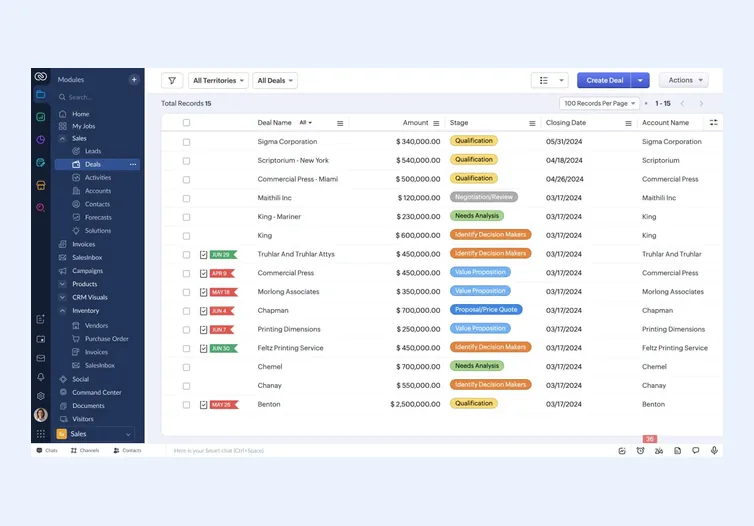
The most common problem I see is not the ads themselves. It is what happens around them. Campaigns optimize for form submissions, but many of those leads are unqualified. Sales follow up slowly or not at all. Nobody connects CRM outcomes back to the campaigns that generated them. Budgets are then set on platform-reported numbers that have little to do with revenue.
Fixing this means treating paid marketing as part of the business process, not a separate activity. I look at the whole chain:
When these pieces connect, you can make budget decisions based on which campaigns produce real opportunities. When they do not, even well-written ads struggle to show value. This process view comes from my broader work in CRM consulting and business process consulting, and it is what sets this service apart from pure media buying.
Ad platforms optimize toward whatever signal you give them. If the only signal is a form submission, they will find more people who fill in forms, whether or not they ever buy. Feeding back offline conversions from your CRM changes that. When a lead becomes qualified, turns into an opportunity or closes, that event is sent back to Google Ads, LinkedIn or Meta, and bidding can learn which clicks lead to real business.
Setting this up properly involves capturing click identifiers or matching data at form submission, storing them against the lead in your CRM, defining which lifecycle stages count as conversions, and sending them back on a reliable schedule or through an integration. It also requires attention to consent and privacy rules in the markets where you advertise.
I work with CRMs such as Zoho CRM, HubSpot and Salesforce, and I design the data flow with your sales team so lifecycle stages are used consistently. Without consistent stages, offline conversion data becomes noisy and unreliable. If your CRM itself needs work first, that is often the best place to start, and my system integration work covers the technical connections.
Paid campaigns also work better alongside SEO and a structured lead generation process, so I plan them together where it makes sense.
Each ad platform reaches buyers at a different moment, and B2B budgets are rarely large enough to do everything well. Choosing channels deliberately matters more than being present everywhere.
| Channel | Strength | Typical B2B use |
|---|---|---|
| Google Ads | Captures active demand from people searching now | Service and solution keywords, competitor and comparison searches, remarketing |
| LinkedIn Ads | Targets by job function, seniority, company and industry | Reaching defined buying committees, account-based campaigns, content offers |
| Meta Ads | Broad reach and efficient audience building | Retargeting, awareness among smaller businesses, events and webinars |
For most B2B businesses I start where intent is highest, usually search, then add LinkedIn when the target audience is well defined and the deal size justifies its cost. Meta can work well for some B2B offers, particularly those aimed at owner-managed businesses.
Each channel has its own service page with more detail: Google Ads management, LinkedIn Ads management and Meta Ads management. Whatever the mix, all channels report into the same CRM-based measurement so they can be compared fairly.
Depending on whether I run campaigns, rebuild them or advise your team, deliverables usually include:
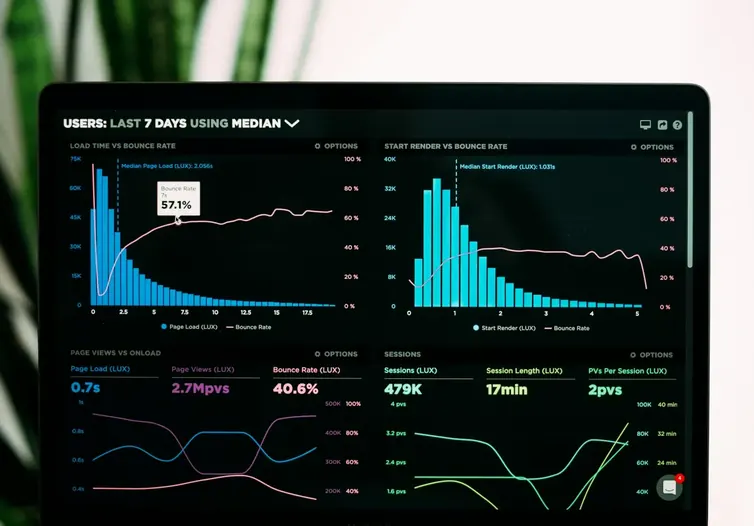
Measurement uses a funnel of KPIs rather than a single number. At the top: impressions, click-through rate and cost per click, which show whether ads reach the right people. In the middle: conversion rate and cost per lead, which show whether landing pages and offers work. At the bottom, and most important: cost per qualified lead, cost per opportunity, pipeline value and closed revenue by campaign, all taken from the CRM.
Platform-reported conversions are useful for day-to-day optimization, but budget decisions are based on CRM outcomes. That is the difference between knowing which ads get clicks and knowing which ads produce customers. I do not promise specific results, because they depend on your market, offer and sales process, but I make sure you can always see what is working.

Tell me about your business and current systems. I’ll suggest the most sensible first step.
Book a Consultation
Not sure where growth is leaking?
Share your goals and current funnel with me. I will look at search, ads and CRM data together and tell you where the next lead is most likely to come from.
FAQ
It depends on your audience, offer and deal size. Google Ads works well when buyers actively search for your solution. LinkedIn Ads is strong for reaching specific job roles and industries. Meta Ads can support retargeting and awareness at a different cost profile. I recommend a channel mix after understanding your sales process.
I do not set a figure without context. The right budget depends on your target market, competition for your keywords and audiences, deal values, sales capacity and goals. I help you start with a test budget you are comfortable with, measure what produces qualified pipeline, then scale or reallocate based on evidence.
Offline conversions are outcomes that happen after the click, usually in your CRM, such as a lead becoming qualified or a deal closing. Sending these back to ad platforms lets their bidding optimize for real business results instead of form fills, and gives you reporting that connects ad spend to pipeline.
Both models are possible. Some clients want me to audit, restructure and set up tracking, then hand over to their in-house team or agency. Others prefer ongoing involvement in strategy, optimization and reporting. We agree the model up front based on your internal capacity and goals.
No. Lead volume and quality depend on your market, offer, competition, budget, landing pages and sales follow-up, many of which change over time. What I commit to is a sound campaign structure, accurate tracking, clear reporting and steady, evidence-based optimization toward qualified pipeline.
Every business is different. Share where you are today and what you want to fix, and I’ll tell you honestly whether and how I can help.
Book a Consultation
Insights
 Book a Consultation
Book a consultation to talk through your processes, systems and goals. I’ll reply with practical next steps - no obligation.