Contact Info

 ERPNext in Norway
What does an ERPNext consultant do for a Norwegian company?
An ERPNext consultant for a Norwegian company scopes what the open-source system covers out of the box and what must be configured or built for Norway: a SAF-T export the authorities can request, EHF invoices to public buyers through an access point, krone accounting and customs fields for EU trade. I size that work, choose hosting and oversee developers remotely, independent of Frappe and every implementer.
Last reviewed by Vikas Saroj
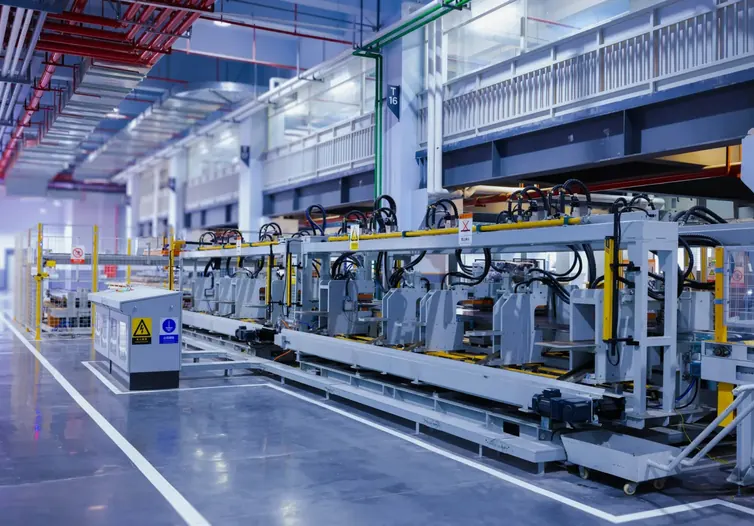
Norwegian businesses that consider ERPNext often own a lot of equipment: rental fleets of tools, containers or lifting gear, workshops that maintain machinery, small producers of components for maritime and industrial customers. They want assets, maintenance, stock, jobs and accounts in one system and prefer owning their software to renting closed licenses.
ERPNext can do much of that, but Norwegian reporting and invoicing rules are mostly left for you to set up. I scope those gaps, help you pick hosting and keep developers aligned with the requirements. I work remotely in English as an independent ERPNext consultant.
 What I Do
In Norway the open-source route works when localization gaps are named, sized and owned. That is where I start.

I list every obligation and customer demand the system must meet in Norway, from tax templates to SAF-T and EHF, and classify each as standard, configuration, existing app or new development with an owner.

For rental and service fleets I design asset records, maintenance schedules, inspection logs and the link between equipment out on hire and the invoices it should generate.

Where no maintained app delivers it, I write the specification for a SAF-T export, including account and tax code mapping, and test the output with your accountant before go-live.

I define how ERPNext hands invoices to an access point provider for delivery over Peppol in EHF format, how buyer references are captured and how rejected invoices are flagged for follow-up.

I compare Frappe Cloud with running ERPNext on your own EEA cloud account, covering data location, backups, upgrades, monitoring and who your team calls when something fails.

I review custom apps, scripts and print formats against requirements, insist on staging tests before production and keep core code untouched so upgrades remain realistic.
How I Work
Processes and Norwegian obligations
 Asset and job flows mapped
Accountant needs captured
Gaps classified and sized
Hosting option chosen
Asset and job flows mapped
Accountant needs captured
Gaps classified and sized
Hosting option chosen
Configure, extend, connect
Accounts and taxes set
SAF-T export built
Access point connected
Bank formats tested
Go live and keep current
Balances reconciled
Field and office users trained
Upgrade routine written
Support owner agreed
ERPNext is an open-source ERP built on the Frappe framework. It keeps selling, buying, stock, manufacturing, projects, assets, maintenance and accounting in one database, and anyone can read and extend its code. For Norwegian companies that run equipment or small-scale production, the combination of assets, maintenance and stock in one place is the main draw.
Take a firm that rents out lifting equipment or containers to offshore and construction customers. Each unit has a purchase cost, a depreciation schedule, inspection intervals, a current location and a customer it is billed to. In many such firms those facts live in separate spreadsheets, so an expired inspection or an unbilled rental week is spotted late. ERPNext can hold the asset, its maintenance schedule, the job it is assigned to and the invoice in linked records, with custom fields or a small app covering rental-specific steps.
Small manufacturers of components use the ERPNext manufacturing features for bills of materials, work orders and batch tracking. Before configuring anything I map the real flow with your workshop, warehouse and finance people, because ERPNext rewards a clear design and punishes improvised customization. The cost profile is different from licensed ERP, with no software license fee per user, but implementation, hosting, development and support remain real cost drivers.
ERPNext's accounting is generic and adapts to each country through configuration and regional apps. For Norway, check whether any maintained regional app fits your version; if not, plan to build the Norwegian pieces yourself or with a developer. The main ones are:
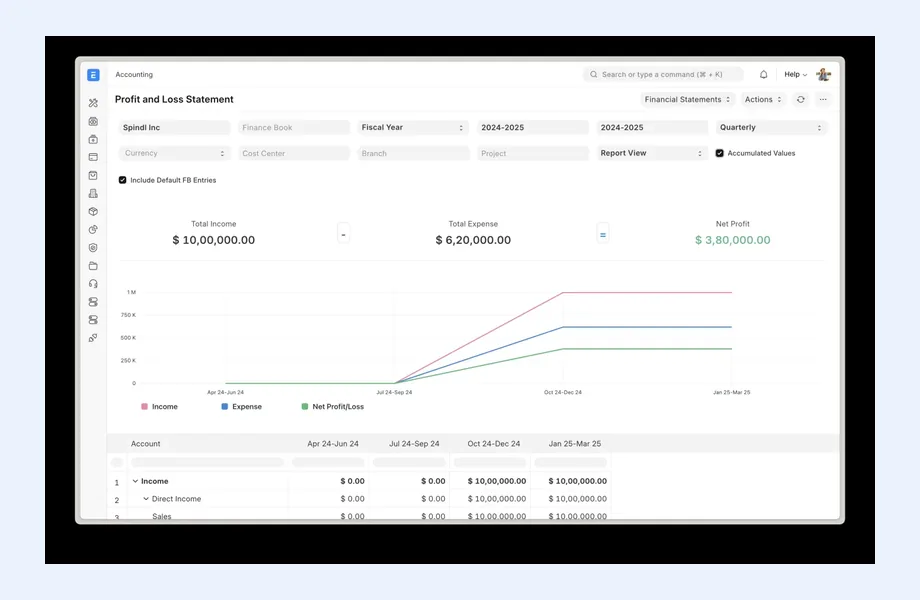
Each item becomes a requirement with acceptance tests and a named owner. Taken together they are a genuine work package, and pretending otherwise is how open-source projects in smaller markets go over budget. The ERPNext accounting page covers the finance basics.
ERPNext gives you a real hosting decision, which closed platforms do not.
For most Norwegian SMEs without a dedicated operations person, I recommend starting on managed hosting and revisiting the choice later. Companies with strict customer requirements on data location, or existing infrastructure teams, may prefer to self-host from day one.
Whichever you choose, write an upgrade routine before go-live: how often you upgrade, how custom apps are tested on a staging copy, who approves the move and how you roll back. ERPNext systems usually become hard to maintain not because of the platform but because nobody owned that routine. Product information is on frappe.io, and I help you weigh it against your IT capacity.
I recommend against ERPNext for Norwegian companies in these cases:
With no stake in Frappe or in any ERPNext implementer, I can tell you plainly when the open-source route is not worth it. If it is, I stay involved as your representative through design, development and testing. The wider selection approach is on my ERP consultant Norway page, market notes on the Norway hub, and platform detail on my ERPNext consulting page.

Tell me about your business and current systems. I’ll suggest the most sensible first step.
Book a Consultation
Not sure which ERP you need?
Share your business requirements with me and I will help you understand the right process, architecture and platform before implementation.
FAQ
It can, but typically through work you commission rather than a standard feature. Check for a maintained app that suits your version first. Otherwise a developer builds a SAF-T export to a specification I write, including the mapping of your accounts and tax codes, and your accountant validates sample files before go-live.
It can be a good fit when assets, maintenance, stock and invoicing need to sit together and you accept some configuration or a small custom app for rental-specific steps such as hire periods and returns. I map your rental cycle first, then confirm how much is standard and how much must be built.
Frappe Cloud suits most firms without operations staff, as long as the hosting region is confirmed for GDPR records. Self-hosting on a Nordic or EU cloud account suits firms with infrastructure skills or strict data location demands. I compare both against your capacity and document the decision.
Your own developers or a Frappe developer you contract. I write the requirements and specifications, review the code changes against them, make sure work is tested on staging and keep custom logic in separate apps so ERPNext upgrades stay manageable.
Every business is different. Share where you are today and what you want to fix, and I’ll tell you honestly whether and how I can help.
Book a Consultation
Insights
 Book a Consultation
Book a consultation to talk through your processes, systems and goals. I’ll reply with practical next steps - no obligation.