Contact Info

 ERPNext in Denmark
Can a Danish company run its business on ERPNext?
A Danish company can run production, stock, batches and accounts on ERPNext, but it carries more responsibility than with a commercial platform. Your advisors must be satisfied that the setup meets the Danish digital bookkeeping requirements that apply to you, public customers need structured e-invoices through an access point, and Danish reports are mostly configured or built. I scope that honestly and oversee delivery remotely, as an independent ERPNext consultant.
Last reviewed by Vikas Saroj
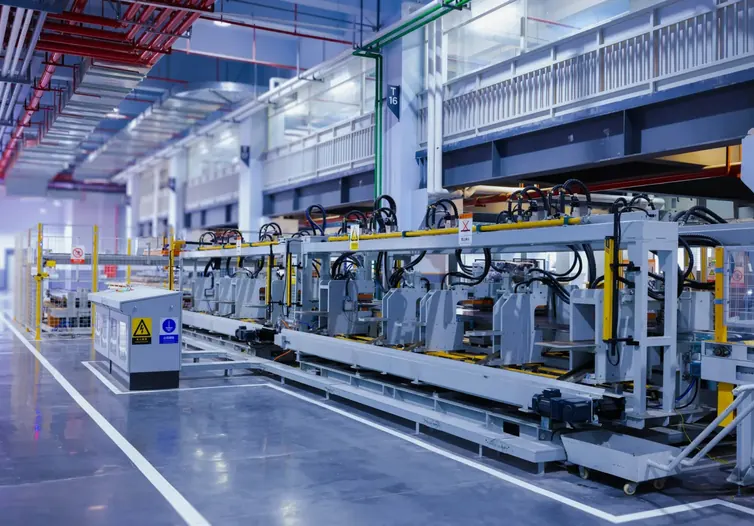
The Danish companies that look at ERPNext are often small producers: food and ingredient makers, breweries and drinks firms, manufacturers of parts and fittings, and suppliers who need batch records but cannot justify a large licensed ERP. Many have a technically minded owner or an in-house developer who likes the idea of an open-source system they can inspect and extend.
That control comes with obligations, and Danish bookkeeping rules are the first one to examine. I help you understand what you would be taking on, size the local work and keep developers aligned with your requirements, working remotely in English.
 What I Do
An open-source ERP in Denmark works when the compliance question is answered early and the local build is owned.

I gather the Danish digital bookkeeping requirements your accountant or auditor says apply, then document how your ERPNext setup, hosting and backup routine address each one, so they can reach a view.

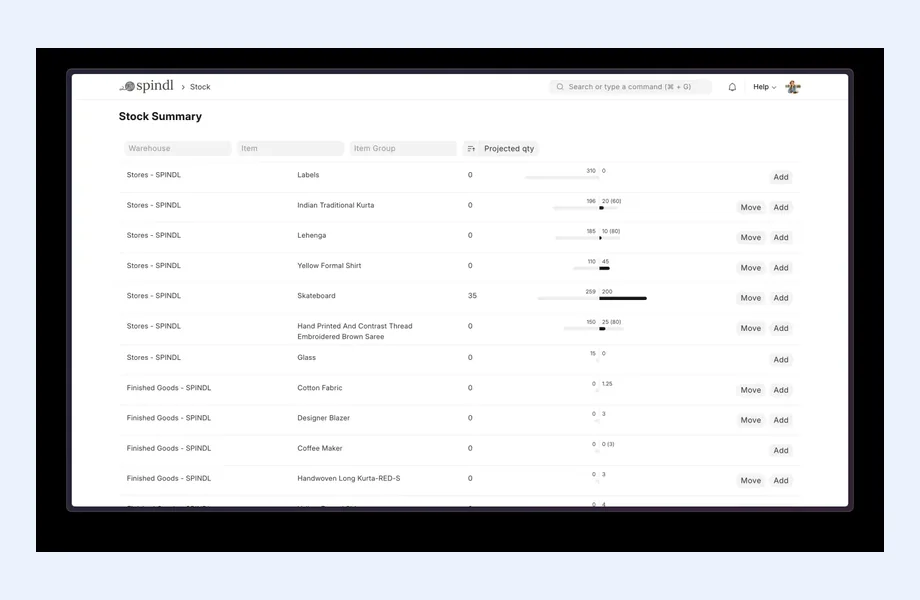
I design batch numbering, expiry and best-before handling, first-expiry-first-out picking and recall reports, so a question about one batch can be answered from the system in minutes rather than days.

Bills of materials, yield and scrap, work orders and packaging variants are modeled with your production lead, including how raw material batches carry through to finished goods.

Danish public customers and some large retailers expect structured invoices. I specify how ERPNext hands documents to an access point provider and how delivery status and rejections come back.

With your accountant, I set up the chart of accounts, VAT templates, cost centers and reports, and specify any custom export they need, tested in their own tools before go-live.

I review custom apps and scripts against requirements, keep core code untouched, require staging tests and document an upgrade routine your team can follow without me.
How I Work
Rules, gaps and ownership
 Advisor criteria collected
Production flow mapped
Danish gaps sized
Hosting chosen
Advisor criteria collected
Production flow mapped
Danish gaps sized
Hosting chosen
Configure and extend
Batches and recipes set
Finance templates loaded
Access point connected
Custom exports tested
Go live with a support plan
Batch stock counted
Opening balances signed
Staff trained in roles
Upgrade owner named
ERPNext is an open-source ERP on the Frappe framework. It combines buying, selling, stock, manufacturing, quality inspection and accounts in one database, and its owners decide where it runs and what gets added to it. For smaller Danish producers, its batch handling and manufacturing features, with no charge per user for the code itself, make it worth a serious look.
Consider a Danish ingredient or food business. Raw materials arrive in batches with certificates and expiry dates, recipes turn them into finished products with their own batch numbers, and customers, including retailers and food service distributors, expect fast answers if a batch is questioned. In many such firms those links live in spreadsheets and paper records. ERPNext can hold the supplier batch, the work order, the finished batch and the delivery in linked documents, so tracing forward or backward becomes a report rather than a project.
Parts and fittings manufacturers use the same foundations differently: bills of materials, routings, subcontracting and serial numbers. The ERPNext manufacturing page describes the production features in more detail. The software is free to use, but implementation, hosting, local configuration, development and support all cost money and time, and I make those drivers visible from the first conversation.
This is the question I put first for any Danish ERPNext project. Under Danish law, more and more businesses are expected to keep their books in a digital system that satisfies published standards: vouchers kept electronically, data backed up securely, edits traceable and incoming e-invoices supported. Some commercial systems are registered as meeting those standards. A self-chosen or self-hosted system such as ERPNext may instead put the burden of showing conformity on your own company, and that may affect what your accountant asks of you.
Your accountant or auditor decides which of these obligations bind you and whether ERPNext, as you run it, measures up. I do not give legal advice. What I do is make the assessment practical:
If your advisors conclude that a self-assessed setup creates too much burden, that is a valid reason to choose another platform, and it is far cheaper to learn it now than after go-live. Where ERPNext passes, the finance configuration follows the ERPNext accounting basics, set up with your accountant.
Danish public customers generally require structured electronic invoices, delivered through national infrastructure or Peppol, and some large retailers ask for structured formats too. A standard ERPNext install does not join those networks by itself. The usual design calls a delivery service's API from ERPNext, sending invoices and credit notes and receiving delivery status. I specify the data mapping and the handling of rejections, then trial it with a real public buyer.
Most Danish producers keep books in kroner while buying ingredients or components in euros. ERPNext handles multiple currencies with exchange rate revaluation; your accountant sets how differences are posted. Bank payment files and statements are covered through import templates, a community app or an integration, tested per bank.
Hosting choice interacts with the bookkeeping assessment. Frappe Cloud is run by the people who build Frappe and looks after servers, backups and updates for you; ask which regions are offered and how backups are stored, and record both for GDPR and bookkeeping purposes. Self-hosting on infrastructure you rent inside the EU leaves every choice with you, along with patching, monitoring, backups and upgrades. For a small producer without operations staff, managed hosting is normally the safer start. Product details are on frappe.io.
I advise against ERPNext in Denmark in these situations:
For an operations-heavy business that wants a broader localized platform, Odoo in Denmark is often the comparison worth making. Nobody pays me to recommend ERPNext, so you get an unvarnished view. My ERP consultant Denmark page describes how I run a selection, the Denmark hub has market context and my ERPNext consulting page sets out how I handle Frappe-based projects anywhere.

Tell me about your business and current systems. I’ll suggest the most sensible first step.
Book a Consultation
Not sure which ERP you need?
Share your business requirements with me and I will help you understand the right process, architecture and platform before implementation.
FAQ
No consultant can give a general yes. The answer turns on which obligations bind your business and how your installation, hosting and backups are arranged, and your accountant or auditor makes that call. I document how the setup addresses each criterion they identify so the assessment is concrete.
Yes, at the level many smaller producers need. Batches carry from received ingredients through work orders to finished goods and deliveries, with expiry dates and quality inspections. I design the rules with your production and quality leads and test a full forward and backward trace before go-live.
Typically through an access point provider's API rather than a direct connection. ERPNext sends the invoice data, the provider delivers it, and status or rejection messages come back. I write the specification, a developer builds the link and we trial it with a real public buyer before launch.
The engagement runs in English and remotely. Danish print formats, item descriptions and training for production staff who prefer Danish are prepared by bilingual people in your company or a local partner. I schedule those tasks with owners and include the Danish documents in acceptance testing.
Every business is different. Share where you are today and what you want to fix, and I’ll tell you honestly whether and how I can help.
Book a Consultation
Insights
 Book a Consultation
Book a consultation to talk through your processes, systems and goals. I’ll reply with practical next steps - no obligation.