Contact Info

 Canada
How can a Google Ads consultant help a Canadian company?
For a Canadian company, a Google Ads consultant keeps spend inside the provinces and languages that matter, so French and English buyers each see a relevant ad and page, and American clicks do not drain the budget. Working remotely and independently, I structure campaigns, manage negatives, set up tracking with Quebec and federal privacy rules in view, import CRM stages and report on qualified opportunities.
Last reviewed by Vikas Saroj
Canadian Google Ads accounts face problems that a US playbook does not cover. Buyers in Quebec expect French, Montreal searchers switch between French and English, and a large share of the population lives close to the American border, where location settings decide whether your budget pays for clicks from people in Buffalo or Detroit.
As an independent consultant working remotely, I organize campaigns by language and province, prune irrelevant search terms, make each landing page continue the ad's message, review consent and tracking against federal and Quebec privacy expectations, and send qualified stages from your CRM back to Google so bidding values real buyers over casual visitors.
Your company owns the account, the billing and every piece of conversion data. I charge only for my time and accept no commission on ad spend or fees from software vendors, so budget advice is never shaped by what I earn.
 What I Do
Account work shaped by Canadian language rules, provincial markets and cross-border search behavior.

French and English campaigns run separately, each with its own keywords, ads and landing pages, so a buyer in Laval and a buyer in Calgary each meet wording written for them.

Campaigns organized around the provinces and cities you serve, with budgets and messages that reflect differences between Ontario, Quebec, the Prairies, British Columbia and Atlantic Canada.

Location settings and exclusions that stop budgets leaking to US searchers near the border, unless you deliberately sell south, in which case American campaigns run on their own terms.

Cookie banner, tag manager, consent mode and enhanced conversions reviewed together, with the behavior for Quebec visitors decided with your privacy advisor rather than left to default settings.

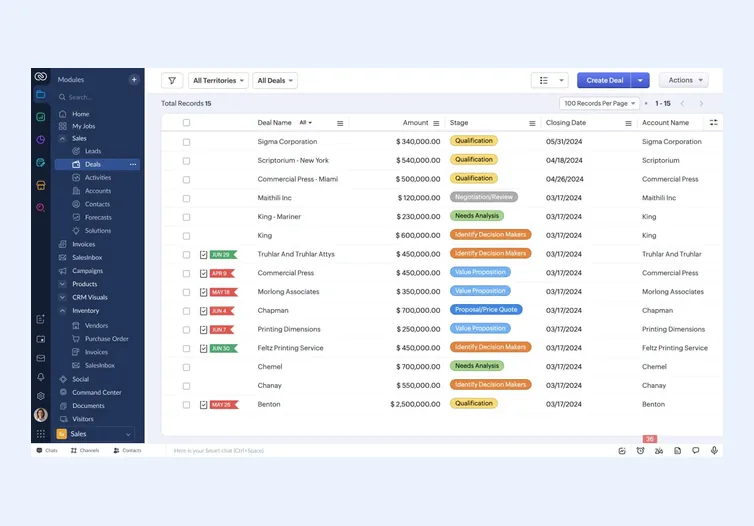
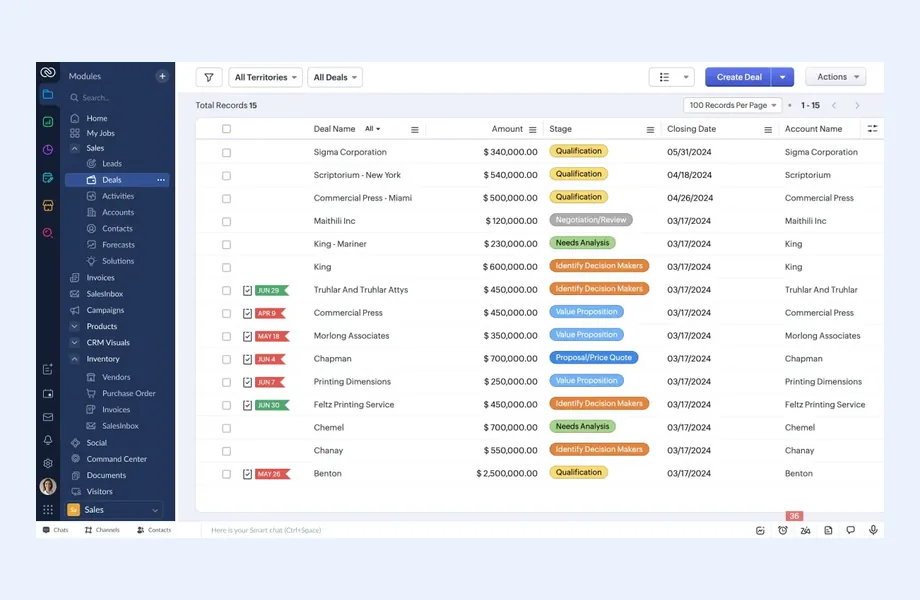
Lead, opportunity and closed-won stages from your CRM uploaded to Google Ads, so automated bidding learns which searches turn into signed business in either language.

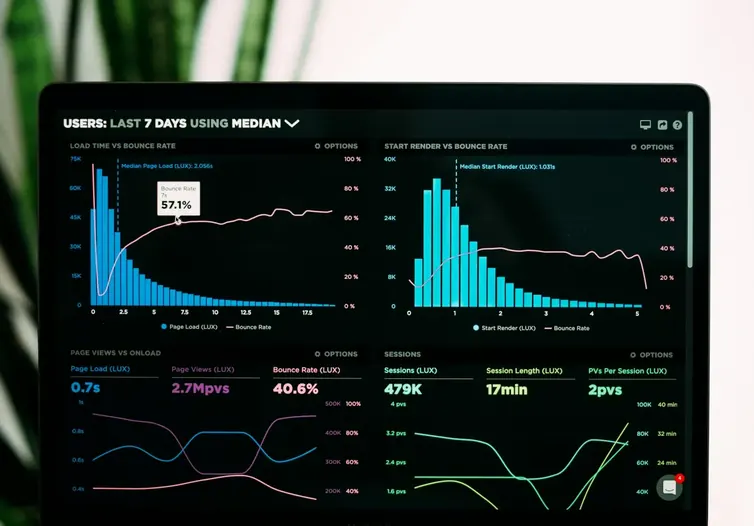
Search term changes, pacing, policy issues and qualified outcomes by language and province, summarized each month in a short written review that explains the reasoning behind every change I made.
How I Work
Find leaks and blind spots
 Language and location audit
US spillover analysis
Consent and tag check
CRM stage review
Language and location audit
US spillover analysis
Consent and tag check
CRM stage review
Rebuild around language and region
French and English campaigns
Province budgets and exclusions
Conversion import setup
Landing page alignment
Improve with qualified data
Weekly negative updates
Language performance comparison
Controlled bidding tests
Monthly written review
Putting French and English keywords in one campaign is a common shortcut, and it usually produces ads in the wrong language for some searchers. Google decides who sees an ad partly from language signals, and a single campaign cannot carry two sets of ads and landing pages cleanly. I build separate French and English campaigns, each with its own keyword lists, negatives, ad text and destination pages.
French in Canada is not the French of France. Quebec buyers use their own terms for many products, services and business functions, and copy that reads as European French can feel foreign. Mixed queries are common too: a Montreal engineer may search an English product name with French words around it. Keyword research looks at both patterns.
The engagement runs in English. French ad text and landing pages are written or reviewed by fluent Quebec French writers in your company or an agency you appoint, and I structure the account so their work is used consistently.
Language law also matters. Quebec's Charter of the French Language sets expectations for commercial advertising and websites aimed at Quebec, which generally means French must be available and given due prominence. Requirements have been tightened over recent years, so your legal advisor should confirm what applies to your ads, pages and forms before launch.
Canada's population is spread along a long border with the United States, and that affects every account. If location settings allow people who are merely interested in Canada to see your ads, budgets can drift to American searchers in border cities. I set campaigns to reach people located in your chosen provinces or cities and add exclusions where delivery stops.
Provincial structure follows business reality. A distributor shipping nationally may need one campaign per region so budgets match freight costs and sales coverage. A professional services firm licensed in certain provinces should not pay for clicks from the others. A Quebec-based firm selling into Ontario might run French campaigns at home and English campaigns elsewhere.
Time zones stretch from Newfoundland to the Pacific, and an account runs on one of them. Ad schedules set for Toronto office hours can switch ads off while Vancouver buyers are still searching, so scheduling decisions are made region by region where it matters.
When you do want US customers, they get their own campaigns with US pricing, delivery terms and landing pages, rather than inheriting Canadian settings. Organic search across the same markets is covered on my Canadian SEO consulting page.
Most Canadian B2B and service accounts work best with Search at the core. I group keywords by service and buying intent in each language, use exact and phrase match for the commercial terms that matter and save broad match for campaigns that already feed Google plenty of qualified outcomes. Brand terms sit in their own campaign so they do not hide weak performance elsewhere.
Negative keyword lists are kept in both languages. Typical waste in Canadian accounts includes job and career searches, government program and grant lookups, college courses, free tools and searches for American competitors or retailers that do not ship to Canada. Search terms are reviewed weekly and exclusions shared across campaigns.
Performance Max is used selectively. It can help ecommerce retailers with a clean product feed and steady sales data. It is a poor fit when the account has few qualified conversions, when one language has much less data than the other, or when it would quietly claim credit for people already searching your company name. In those cases I hold it back until CRM-based conversions are flowing, then test it against Search with brand exclusions and compare the outcome in the CRM. The general method is on my Google Ads management page.
Canada's federal private-sector privacy law requires meaningful consent and transparency about how personal information is used, including for advertising. Quebec's private-sector privacy law has been updated with stricter expectations, and it is generally read as requiring that tracking technologies which identify, locate or profile a person are switched off by default unless the visitor chooses to enable them. Other provinces have their own private-sector laws as well.
In practice, that makes consent design a Google Ads question. I review the cookie banner, tag manager and consent mode configuration so tags follow the visitor's choice, check whether Quebec visitors receive a different default, and confirm enhanced conversions only run where your privacy notice and advisor support them. Consent mode can help Google estimate some conversions it can no longer observe, but it is not a substitute for consent.
Offline conversion imports follow. Each inquiry keeps its Google click ID in the CRM, and when a salesperson moves it forward, that milestone is uploaded to Google Ads on a regular schedule. That gives bidding a better signal and gives you cost per qualified opportunity by language and province. Your privacy officer or counsel should approve the data flows; I configure them to match.
Several Canadian sectors face tighter advertising rules. Google restricts or prohibits ads in areas such as cannabis, online gambling and prescription drugs, and federal and provincial regulators set their own rules for financial products, health claims and professional services. The Competition Act also covers misleading pricing and claims. Ad text and pages are compared with Google's rules, and anything that looks like a regulated claim goes to your compliance advisor first.
Pacing is described in plain language. Daily budgets act as an average, so Google may spend more on a strong day and less on a weak one while aiming to stay within the monthly total. I watch spend against your plan, statutory holidays and seasonal swings, and against the capacity of the team handling calls in each language.
The account, billing in Canadian dollars, tag manager and analytics stay registered to your company, and my access is a login you can remove. Reports show search terms, impression share, cost per qualified inquiry and won revenue by language, province and campaign.
Paid search works best inside a broader pipeline plan. My Canadian B2B lead generation page covers outreach under CASL, and my Canadian CRM consulting work makes sure the stages being imported are recorded reliably. Contact me to start with an account review.

Tell me about your business and current systems. I’ll suggest the most sensible first step.
Book a Consultation
Not sure which ERP you need?
Share your business requirements with me and I will help you understand the right process, architecture and platform before implementation.
FAQ
If you advertise to people in Quebec, the Charter of the French Language generally expects commercial advertising and related pages to be available in French with appropriate prominence. Separate French campaigns with French landing pages are also simply more effective. Your legal advisor should confirm the specific requirements for your ads and website.
Usually because location settings include people who have shown interest in Canada, not only people located there, or because no US exclusions are in place. Border cities make this especially visible. I adjust the settings, add exclusions and, if you sell into the US, give American searchers their own campaigns.
It can. Quebec's updated private-sector privacy law is generally read as requiring tracking that identifies or profiles visitors to be off by default unless they opt in. That affects how your banner, tags and consent mode behave for Quebec visitors. Your privacy advisor should confirm the approach; I configure tracking to follow it.
Only when each language has enough reliable conversion data. French campaigns often have less volume, and Performance Max with thin data tends to chase easy, low-value actions. I usually begin with well-structured Search in both languages, add CRM-based conversions, then test Performance Max where the signal is strong.
Every business is different. Share where you are today and what you want to fix, and I’ll tell you honestly whether and how I can help.
Book a Consultation
Insights
 Book a Consultation
Book a consultation to talk through your processes, systems and goals. I’ll reply with practical next steps - no obligation.