Contact Info

 Canada
What does B2B lead generation involve for a Canadian company?
B2B lead generation for a Canadian company covers who to target, how to reach them in English and French, and how to qualify and pass them to sales. I design this remotely and without vendor ties: account and committee mapping, a channel mix of search, LinkedIn, email, events, distributors and public procurement, outreach built around CASL consent as your counsel reads it, French nurture tracks and pipeline reporting.
Last reviewed by Vikas Saroj
Generating B2B leads in Canada means working in a market that is large in area, concentrated in a few metropolitan regions, split between two languages and closely tied to the US economy. It also means working under CASL, which takes a stricter view of commercial email than American law and puts the burden of proving consent on the sender.
I design lead generation systems remotely for Canadian companies: target accounts and buying committees, channels, consent-aware outreach, French and English nurture tracks, qualification, routing and the handoff into your CRM. The engagement runs in English, with French material produced or checked by fluent writers on your side.
I sell no data, software or media, and I accept no referral fees. You get a documented process your marketing and sales teams can operate and improve on their own, with each rule written down.
 What I Do
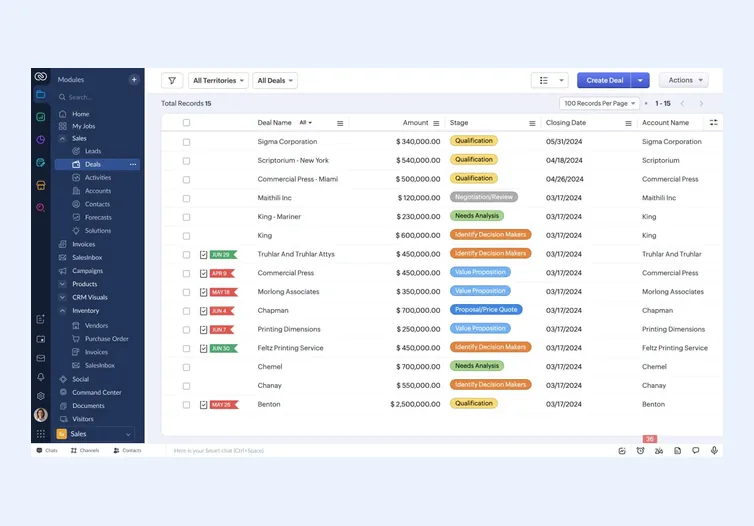
Each element connects to your CRM so you can see which routes produce qualified opportunities in each region and language.

Defining target sectors, company sizes and regions from your best customers, then naming the roles in a typical buying committee and what each needs to see before saying yes.

Forms, consent wording, records and unsubscribe handling built so you can show how each contact entered your lists, with your counsel confirming express and implied consent positions.

French and English versions of key offers, emails and nurture tracks, with a language preference stored on every contact so nobody receives the wrong version.

Search, LinkedIn, events, distributor and dealer referrals, and public procurement weighed against deal size and sales cycle, so effort goes where your buyers actually look.

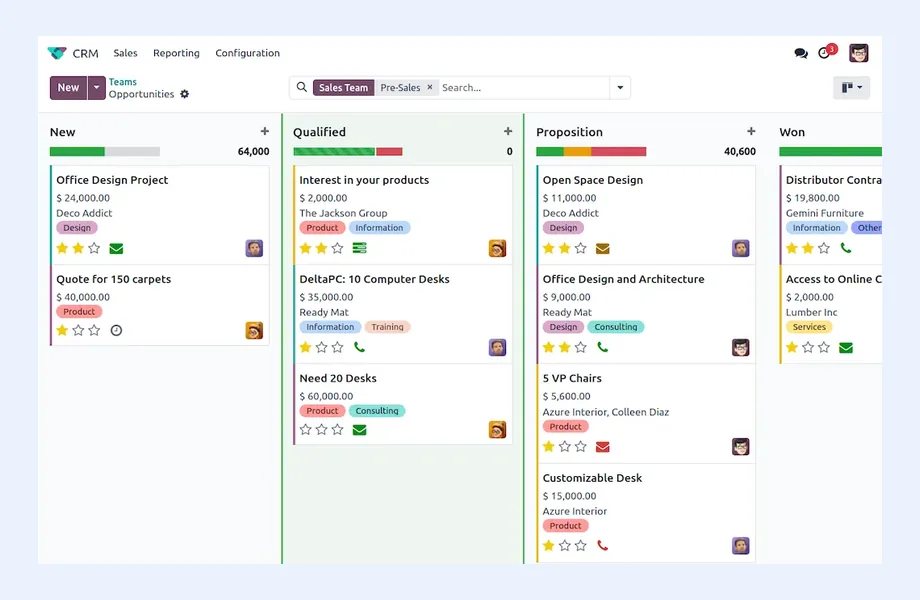
Stage definitions, routing by province, language or segment and follow-up alerts, so a qualified lead reaches a salesperson who can serve them in their own language without delay.

Reports that trace each lead from its first source through to opportunity and revenue, split by language and region, and reviewed every month with sales leadership and marketing together.
How I Work
See buyers, channels and consent
 Customer and deal review
Consent record audit
Language needs by region
Current routing check
Customer and deal review
Consent record audit
Language needs by region
Current routing check
Agree process and content
Target account criteria
Outreach and nurture plan
CASL-ready forms and records
CRM stages and routing
Run, measure and adjust
Phased channel rollout
French and English tracks
Monthly pipeline meeting
Targeting refinements
Canada's economic activity clusters in a handful of regions, each with its own industry mix: financial and professional services in Toronto, aerospace, life sciences and manufacturing around Montreal, energy and agriculture in the Prairies, technology, film and trade in Vancouver and resources in many smaller centers. Your best customers likely concentrate in a few of them. Your CRM history of wins and losses shows which of them, and which company sizes and buying triggers, actually turn into revenue.
The next step is listing who takes part in the decision in each segment. Larger Canadian organizations often add formal supplier onboarding, safety or quality prequalification in industrial sectors, security and privacy reviews in technology purchases, and procurement policies aligned with public sector practice. Smaller owner-managed firms may decide quickly with the owner and an outside accountant involved.
Each role has its own questions. The operations lead wants evidence of fit; finance wants cost drivers and contract terms; IT wants integration and data handling; procurement wants paperwork that is complete. I map those questions to content, outreach and sales materials, using the method on my B2B lead generation page and adjusting it to Canadian buying practice and language.
Canadian business buyers research online first, often reading US content because Canadian material is thinner. That creates an opening for firms that publish clear, Canadian-specific pages on pricing models, delivery, regulation and support. B2B SEO and paid ads on the problems buyers describe earn a place in most plans for that reason.
Other routes depend on sector:
Many Canadian firms also sell into the United States. Those programs follow US rules and buyer habits, and I keep them as separate segments so results in each country stay visible. Every route feeds the same CRM stages, so channels are compared on qualified opportunities instead of activity.
CASL applies to commercial electronic messages sent to or from Canada, including business-to-business email. In broad terms, a message needs consent, must identify the sender with contact details and must include a working unsubscribe mechanism. Consent can be express, or implied in defined situations such as an existing business relationship or where a person has conspicuously published their business address without saying they do not want messages, and the message relates to their role. Implied consent can expire, and the sender carries the burden of proving consent.
That makes record-keeping the core of compliant outreach. I design the process so each contact carries:
Telephone outreach falls under separate telemarketing rules administered by the CRTC, including the National Do Not Call List, which treats calls to businesses differently from calls to consumers. Messages through social platforms can also raise CASL questions. I am not a lawyer; each program is reviewed by your counsel before launch, and the process follows their view. Consent-based lists also tend to produce better engagement, which supports the careful approach.
Running B2B programs in Quebec means more than translating emails. Buyers expect French forms, French consent wording, French follow-up and, often, French-speaking sales contact. A lead who completes a French form and receives an English sequence is unlikely to engage, and may raise questions about compliance with Quebec's language rules.
I design the process around a stored language preference. Forms in each language write it to the contact record; nurture tracks, sales alerts and templates branch on it; and reporting splits results by language, so French programs are judged on their own data rather than averaged into English results.
Nurture content is planned for each committee role and stage, in both languages where the audience justifies it. The engagement runs in English, and French material is written or checked by fluent Quebec French writers in your organization or a partner you appoint, which keeps vocabulary natural for local buyers.
Capacity matters as much as content. If only one salesperson can handle French conversations, routing must respect that and alert a backup when they are away. Where bilingual records and routing require changes inside the CRM itself, my Canadian CRM consulting page explains that design work, and the lead programs sit on top of it.
Lead generation succeeds or fails after the inquiry. I agree three things with sales leadership: what makes a lead worth nurturing, what makes it ready for a sales conversation and which reasons justify closing it. These become CRM stages and a transparent scoring model combining fit, such as sector, size and province, with engagement signals.
Routing sends each lead to an owner by province, language, segment or partner territory, with an alert and a clear response expectation. A request from Halifax that waits for a Vancouver rep's morning loses momentum, so routing considers time zones as well as territories.
Reporting follows leads all the way to revenue. Each month I review with sales and marketing how many inquiries sales accepted from each route, how quickly they were contacted, the opportunities and pipeline value created, deals won and the reasons others were closed, all split by language and region.
If paid search is part of the mix, my Canadian Google Ads consulting page explains how CRM stages are fed back to bidding. Work is remote, with live sessions set around your head office hours. Numbers of leads are never promised; a measurable, repeatable process is what you receive. Get in touch to discuss your pipeline.

Tell me about your business and current systems. I’ll suggest the most sensible first step.
Book a Consultation
Not sure which ERP you need?
Share your business requirements with me and I will help you understand the right process, architecture and platform before implementation.
FAQ
Yes. CASL covers commercial electronic messages generally, including those sent to business addresses. Consent may be express or, in certain situations, implied, for example through an existing business relationship or a conspicuously published address relevant to the message. Your counsel should confirm which basis applies to each list before you send.
Store the source, date, consent type and supporting evidence on each contact, track expiry where implied consent is time-limited, and keep unsubscribes synchronized across every tool that sends email. I design CRM fields, forms and automation to capture this, so proof of consent is available if it is ever needed.
If you sell to Quebec businesses, French forms, emails and follow-up are expected by buyers and are generally required by Quebec's language rules for commercial communication. Separate French programs, driven by a language preference on each contact, also perform better than translated afterthoughts. Your advisor can confirm the legal side.
They can share the CRM and reporting, but outreach should run as a separate segment. US rules on email and calling differ from CASL, and American buyers respond to different messages and proof. Keeping them separate also shows clearly which country produces qualified pipeline.
I do not promise lead volumes, because they depend on your market, offer, budget and sales follow-up. What you can expect is a documented process, consent records you can rely on, routing that gets leads to the right person quickly and reporting that shows which routes produce qualified opportunities and revenue.
Every business is different. Share where you are today and what you want to fix, and I’ll tell you honestly whether and how I can help.
Book a Consultation
Insights
 Book a Consultation
Book a consultation to talk through your processes, systems and goals. I’ll reply with practical next steps - no obligation.