Contact Info

 United Kingdom
What does a B2B lead generation consultant do for UK firms?
A B2B lead generation consultant designs how a UK firm finds, qualifies and hands over business buyers to sales. Working remotely and without vendor ties, I define the target accounts and buying committee, combine search, LinkedIn, email, events and tenders, plan outreach around PECR and UK GDPR as your advisor interprets them, and set up routing, nurturing and pipeline reporting in the CRM.
Last reviewed by Vikas Saroj
Many UK B2B firms grow on referrals and the founder's network for years, then find that the next stage of growth needs something more repeatable. The usual response is a burst of activity: an agency, a list, a trade show, a LinkedIn push. Without a shared definition of a good lead and a CRM that follows each one, the burst fades and nobody can say what worked.
My role, delivered remotely and independently, is to design a lead generation process that outlasts any single campaign: target accounts, channels, compliant outreach, qualification, nurturing and the handoff to sales. Your team keeps running it after the design work ends, with documentation for each step.
I do not supply data lists or sell software, and I take no referral fees from tools or agencies. Recommendations rest on three things: who your buyers are, how many conversations your sales team can handle and what your CRM can reliably record.
 What I Do
Built around how British businesses find suppliers and around the rules that govern contacting them.

Using your best customers and public company data, such as industry codes, size and location, to build a target account list that sales recognizes as worth pursuing.

Identifying the roles involved in a UK purchase, from managing director to finance, operations and procurement, and the evidence each one needs before a decision moves forward.

Email, LinkedIn and calling sequences planned around PECR, the corporate subscriber distinction, UK GDPR legitimate interests and telephone preference services, with your advisor confirming the basis.

Watching tender notices, deciding which frameworks are worth joining and preparing the evidence public buyers ask for, so bids are chosen deliberately instead of chasing every published contract that appears.

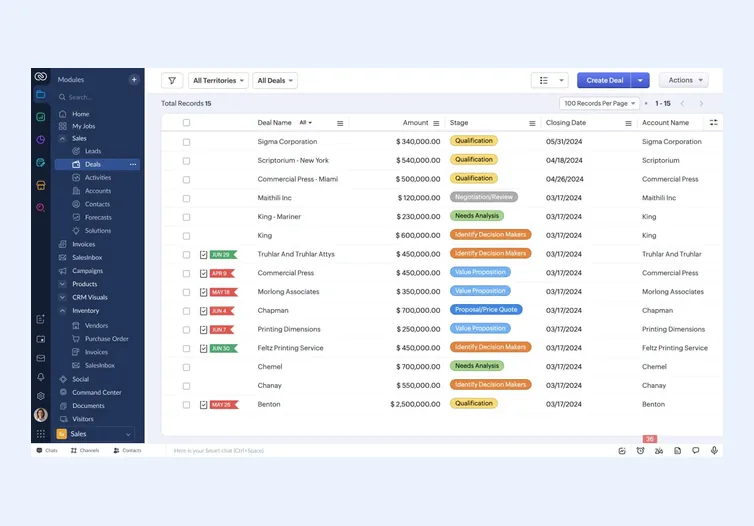
Stage definitions both teams sign, a scoring model sales can read, and routing by region, sector or group company, so a ready buyer lands with the right salesperson and the history attached.

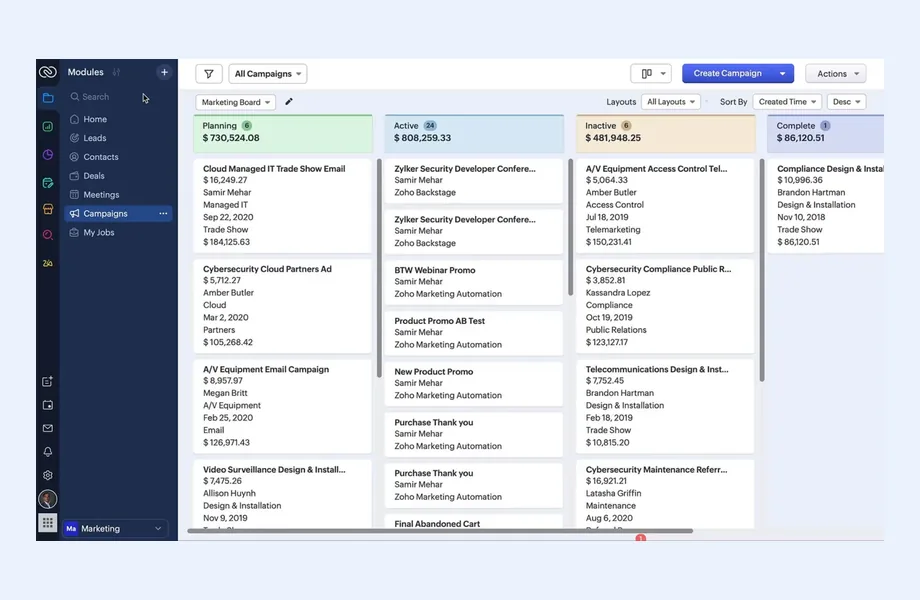
Short nurture tracks written for each role and buying stage, kept relevant rather than frequent, plus a monthly board-ready view of which routes produced accepted inquiries, opportunities and signed contracts.
How I Work
Understand buyers and lead flow
 Best customer analysis
Lead source inventory
Consent record review
Sales handoff walkthrough
Best customer analysis
Lead source inventory
Consent record review
Sales handoff walkthrough
Set up process and channels
Target account list
Outreach and nurture plan
Scoring and routing rules
Pipeline dashboards
Refine with sales feedback
Monthly pipeline review
Disqualification analysis
Channel budget shifts
Content gap briefs
The first step is agreeing who you want as customers. I start with your existing accounts and recent wins and losses, looking at sector, size, region and what prompted each purchase. Public data from Companies House, such as industry classification, incorporation details and filed accounts size, can then help build a list of similar organizations to pursue.
Next comes the buying committee. In a UK owner-managed firm, the managing director may decide almost alone. In larger companies and groups, a purchase usually involves the person who owns the problem, finance, IT or information security, and procurement with supplier onboarding forms, insurance requirements and sometimes accreditation checks. Each role needs different evidence: operational detail, a clear cost case, data handling answers or contract terms.
I turn this into a simple map of roles, questions and objections for each target segment. It shapes website pages, sales materials, outreach messages and nurture content, so the people who join a deal later find answers ready rather than slowing it down. This is the same method described on my B2B lead generation page, adjusted to the structure of UK businesses and groups.
UK business buyers use a mix of routes. Search is central for early research, so content built through B2B SEO and paid ads on supplier-style queries both earn a role. Referrals from accountants, solicitors, trade associations and existing customers remain powerful, especially in professional services and the trades. Sector exhibitions and regional business events still create conversations that are hard to start any other way.
LinkedIn reaches defined roles at named companies and suits account-based work, provided the deal value supports the cost. My LinkedIn Ads management page explains when it pays its way.
Public sector buying follows its own route. Contracts are advertised on government tender portals, and many purchases run through frameworks that suppliers must join first. Treating each published notice as a lead rarely works. Better results usually come from deciding which frameworks and buyers fit, preparing evidence such as case material, policies and accreditations in advance, and building relationships before a tender appears.
I design the mix around your deal size and sector, and every route reports into the same CRM stages so channels can be compared on qualified opportunities rather than activity.
Outbound email in the UK is shaped by PECR and UK GDPR, and the rules turn on who you are contacting. PECR distinguishes corporate subscribers, such as limited companies and LLPs, from individual subscribers, which include sole traders and some partnerships. Unsolicited marketing email to individual subscribers generally needs consent or must fit the soft opt-in, while email to corporate subscribers is treated more permissively, provided you identify yourself and offer a simple way to opt out.
UK GDPR still applies to the personal data of the employees you contact. Many firms rely on legitimate interests for B2B outreach, which calls for a documented assessment, a clear privacy notice and respect for objections. Calls bring the Telephone Preference Service and Corporate Telephone Preference Service into view, and both should be screened before any calling campaign.
I design outreach so these points are handled in the process rather than remembered by individuals:
UK data protection law continues to change, so your legal advisor or data protection lead should confirm the basis for each program before it starts. I configure the process to follow their view.
A lead process stands or falls on what happens after the inquiry. Sales and marketing directors sign off three things first: the signals that make an inquiry worth nurturing, the point at which a salesperson should call, and the accepted reasons for closing a record. Those definitions become CRM stages, fields and a scoring model that combines fit, such as sector and company size, with engagement, such as pricing page visits or replies.
Routing then sends each lead to the right owner by region, sector or named account, with an alert and an expected response time. For UK groups with several trading companies, the routing also needs to know which entity owns the relationship, which links closely to how accounts and contacts are structured.
Each handed-over record arrives with its history attached: where it came from, the campaign, the pages read, emails exchanged and colleagues at the same organization already in conversation. A buyer who has explained their situation once should not be asked to explain it again.
Where the CRM itself needs redesign, my UK CRM consulting page covers account structures and the link to finance. Lead generation is then built on top of that structure, rather than adding fields nobody maintains.
Most business buyers who respond are not ready to sign. Budgets follow the financial year, incumbent contracts run to term and committees take time to agree. Nurturing keeps you in view with content that answers real questions: how implementation works, what it costs to run, what changes for staff and what the risks are. I plan short tracks by role and stage rather than a monthly newsletter sent to everyone.
Measurement focuses on pipeline rather than volume. The reports I set up track:
Each month I review these with sales and marketing together, so budget moves toward the sources that produce qualified opportunities. If paid search is one of those sources, my UK Google Ads consulting page explains how CRM stages are sent back to bidding.
I work remotely during UK hours, and I do not promise lead numbers. What I commit to is a measurable process your team can run. Get in touch to talk through your pipeline.

Tell me about your business and current systems. I’ll suggest the most sensible first step.
Book a Consultation
Not sure which ERP you need?
Share your business requirements with me and I will help you understand the right process, architecture and platform before implementation.
FAQ
PECR treats corporate subscribers, such as limited companies, differently from individual subscribers like sole traders and some partnerships. Email to corporate addresses is generally permitted if you identify yourself and offer an opt-out, but UK GDPR still applies to the person's data. Your legal advisor should confirm the basis for your specific program.
For marketing calls, screening against the Telephone Preference Service and Corporate Telephone Preference Service is a normal step, unless the person has given specific consent to your calls. I build screening and suppression into the calling process. Your advisor should confirm what applies to your campaigns.
It can be, but it works differently. Public buyers advertise opportunities and often buy through frameworks, so the work is choosing the right frameworks and buyers, preparing evidence in advance and tracking bids as their own pipeline. I help set this up in the CRM; bid writing itself is a separate specialism.
By capturing the original source at first touch and following each lead to qualified opportunity and won revenue in the CRM. When sources are compared on pipeline and revenue rather than lead counts, the differences become clear, and budget can move to the routes that produce customers.
Every business is different. Share where you are today and what you want to fix, and I’ll tell you honestly whether and how I can help.
Book a Consultation
Insights
 Book a Consultation
Book a consultation to talk through your processes, systems and goals. I’ll reply with practical next steps - no obligation.