Contact Info

 Oman
Oman
How does a B2B lead generation consultant help companies in Oman?
A B2B lead generation consultant for Oman designs a lead process that a small sales team can sustain. My remote work focuses on the buyer groups that matter, such as energy contractors, logistics and family trading groups, keeps supplier registrations tracked in the CRM, turns referrals and distributor leads into a managed source, uses a few channels well and reports pipeline by source.
Last reviewed by Vikas Saroj
Many B2B companies in Oman sell with a small team: a general manager who handles key relationships, a few sales engineers or account managers and perhaps a coordinator. Their buyers include energy operators and their contractors, logistics and port businesses, government-linked entities, manufacturers and family-owned trading groups. A lead generation plan copied from a large multinational playbook would quickly overwhelm that team.
I work remotely with Omani companies, and with foreign suppliers selling into Oman, to design a lean process: a clear view of target buyers, a few channels run well, supplier registrations kept current, referrals and distributor leads recorded, and every opportunity tracked in the CRM so management sees where pipeline really comes from.
 What I Do
Focused on what a small team can sustain, and on the buying routes that matter most in Oman.

Choosing the sectors and organizations worth pursuing, such as energy, logistics, construction or government-linked buyers, and listing the roles in each that influence a purchase.

Tracking the supplier registration systems and approved vendor lists used by your target buyers, with status, renewal dates and an owner recorded against each account in the CRM.

A simple, consistent way to ask satisfied customers and partners for introductions, record each referral with its source and follow it through to an outcome.

Agreed rules for leads that come from or go to distributors and agents, so partner opportunities are registered, followed up promptly and credited to the right party without conflict.

A small set of channels chosen for your buyers, typically LinkedIn, targeted email, search and a small number of industry events, scheduled so the team can follow up every lead properly.

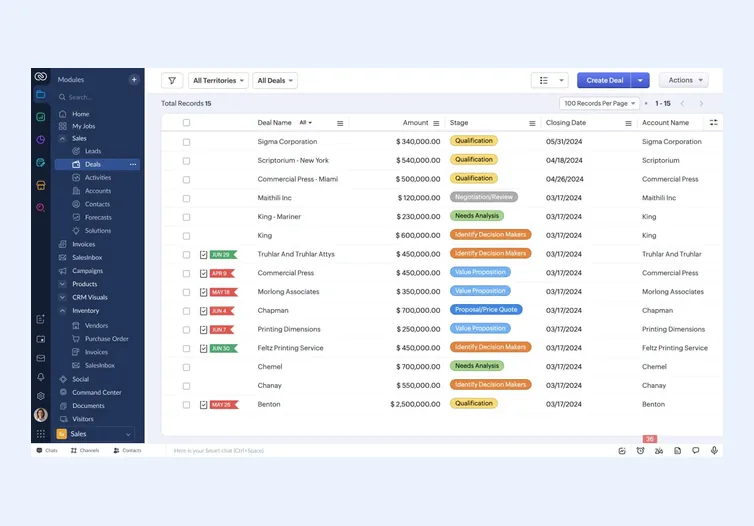
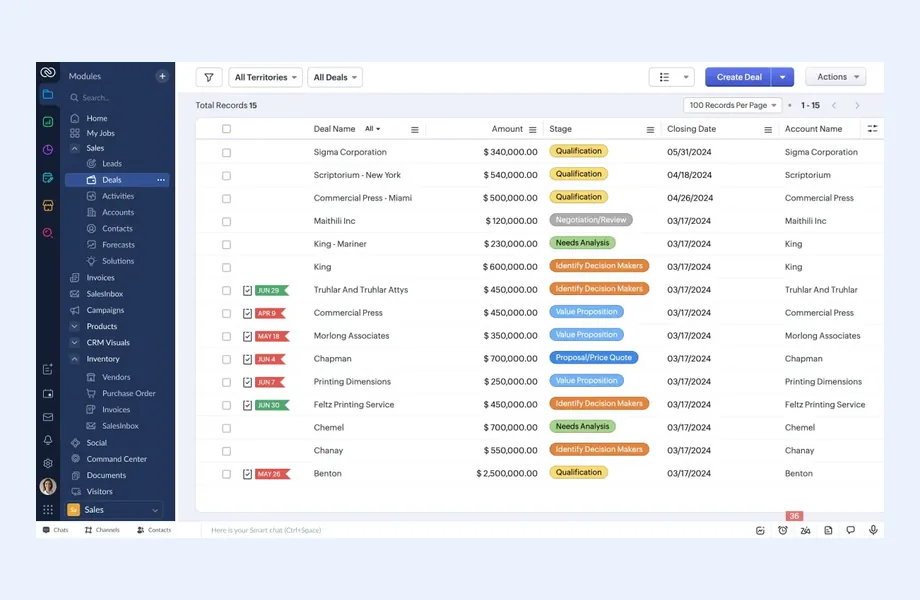
Lead sources, qualification fields, stages and simple dashboards in the CRM, so the general manager can see pipeline by source and sector without asking for spreadsheets.
How I Work
Where business comes from today
 Recent wins and losses
Current lead sources
Team capacity check
Registration status audit
Recent wins and losses
Current lead sources
Team capacity check
Registration status audit
Choose buyers and channels
Target sector shortlist
Referral and partner rules
Channel plan for the team
CRM stages and fields
Keep it running steadily
Weekly lead follow-up routine
Quarterly registration check
Monthly pipeline review
Adjust by results
The most common mistake in B2B lead generation for smaller markets is generating more interest than the team can handle. A campaign brings in inquiries, the sales engineers are busy on site, and the leads wait. By the time someone calls back, the buyer has moved on. In Oman, where many companies run lean, capacity has to shape the plan from the start.
I begin by reviewing where your recent business came from and how much time the team can realistically give to new leads each week. We look at won and lost deals to see which sectors, company types and roles produce the best customers. Often the answer points to a few buyer groups: for example, contractors serving energy operators, logistics firms around the ports, or family trading groups that buy repeatedly.
For each group, we list who is involved in a purchase. Industrial buyers typically include an engineer or operations lead who defines the need, a procurement team that compares suppliers, a finance approver and sometimes a client representative from the operator. Family groups may route larger decisions to an owner. Knowing these roles keeps outreach focused and tells the team which conversations are still missing in each account.
A large part of B2B spending in Oman flows through organizations with formal procurement: energy operators and their main contractors, government-linked companies, ports and utilities. Many require suppliers to be registered, sometimes through shared registration systems used by several operators, before they can quote. Some publish tenders; others invite only registered or prequalified suppliers.
For lead generation this means eligibility comes first. I help you build a list of the registration systems and vendor lists your target buyers use and record each one in the CRM: categories registered, documents submitted, status, renewal reminders and who looks after it. When a buyer issues a tender or opens a new category, it becomes an opportunity with an owner and a bid or no-bid decision.
Main contractors deserve particular attention. Much work reaches suppliers as subcontracts or purchase orders from contractors who have already won a larger package. Tracking which contractors hold active projects with your target operators, and building relationships with their procurement teams, is often more productive than chasing the operator directly. The detailed registration requirements, and any local value expectations attached to them, vary by buyer and change over time, so your commercial and legal advisors confirm what applies.
In Oman's business community, reputation travels quickly and personal recommendations open doors. Yet referrals usually happen by chance. I help you make them deliberate: identifying customers and partners who are happy with your work, agreeing when and how to ask for an introduction, and recording each referral in the CRM with its source so you can see which relationships produce business.
Distributors and agents play a similar role, especially for foreign suppliers or companies covering several governorates. Clear rules on registering opportunities, sharing leads and reporting outcomes stop partner pipeline from disappearing.
Digital channels then support the plan without overloading the team. A typical lean mix includes LinkedIn activity and occasional campaigns aimed at named roles in target sectors, targeted email to relevant contacts, search for buyers who look for suppliers online and a few carefully chosen industry events in Muscat with proper follow-up. Paid search is covered on the Oman Google Ads consultant page and organic search on the Oman SEO consultant page. I sequence channels so each runs well before the next is added, rather than launching everything at once.
Outreach in Oman works when it is personal and specific. A short message that refers to a buyer's project, sector or a real operational problem earns more replies than a generic company profile. I help you write templates by role and sector that the team then personalizes, and set a modest weekly rhythm the team can maintain alongside existing customers.
Language is chosen by audience. Engineers, procurement teams and international managers often work in English, while some owners and government-linked contacts prefer Arabic. My sessions and documents are in English; Arabic versions of messages and company profiles are drafted or proofed by Arabic-speaking colleagues in your business or by a local partner.
Oman's personal data protection law shapes how business contact details may be gathered, used and passed on, and marketing messages also fall under telecom regulations and each platform's terms. Ask your legal advisor to confirm the obligations for your own outreach. I set up the process so it can be reviewed easily:
WhatsApp suits ongoing conversations with buyers who choose it, not cold bulk messages.
A lean team cannot chase every inquiry with the same energy, so qualification matters. I agree simple criteria with management: whether the company fits your target sectors, whether there is a real requirement, whether the contact can influence the decision and whether the timing is realistic. Qualified leads go to a named person with a follow-up expectation. Others go into a light nurturing sequence of useful updates and return to sales when they show interest.
The CRM holds this together. Lead source, sector, registration status and stage are recorded consistently, from first contact through quotation to order or loss. The design of quotation and order handoff is covered on the Oman CRM consultant page, and the market context on the Oman hub.
Measurement focuses on what the general manager needs to steer the business: qualified opportunities and their value by source and sector, active registrations, quotations issued, win rate and the main reasons for losses. Activity counts such as emails sent matter only as context. I review the pipeline monthly with the team and adjust the plan. I do not promise lead volumes; the goal is a steady process that suits your capacity and shows clearly where business comes from.

Tell me about your business and current systems. I’ll suggest the most sensible first step.
Book a Consultation
Not sure which ERP you need?
Share your business requirements with me and I will help you understand the right process, architecture and platform before implementation.
FAQ
Yes, if it is sized to the team. I start from how much time sales can give to new leads, choose a few channels and buyer groups, and set a weekly routine that fits around existing customers. Adding more activity than the team can follow up only wastes good inquiries.
Usually by being registered where those operators and their main contractors buy, by building relationships with contractor procurement teams and by responding well to relevant tenders. I help you track registrations and opportunities in the CRM. Specific eligibility requirements are for your commercial and legal advisors to confirm.
They can be made more consistent. Agreeing whom to ask, when to ask and how to follow up, and recording every referral with its source in the CRM, shows which relationships produce business and makes it easier to thank and maintain them.
I design the process, templates, target lists and CRM setup, and I can review results and coach the team. The outreach itself works best coming from your own people, who know the products and can follow up personally. The whole engagement runs remotely.
Every business is different. Share where you are today and what you want to fix, and I’ll tell you honestly whether and how I can help.
Book a Consultation
Insights
 Book a Consultation
Book a consultation to talk through your processes, systems and goals. I’ll reply with practical next steps - no obligation.