Contact Info

 B2B SEO
What does a B2B SEO consultant do?
A B2B SEO consultant helps companies that sell to other businesses get found by buyers throughout a long, multi-person buying cycle. I map the problems and questions buyers search for, plan problem, solution and comparison content, fix the site so those pages perform, and connect organic leads to the CRM so you can see which searches turn into qualified pipeline rather than just traffic.
Last reviewed by Vikas Saroj
B2B buyers rarely search once and buy. They research a problem, compare approaches, shortlist vendors and involve finance, IT and operations before anyone fills in a form. As a B2B SEO consultant, I plan search around that journey, so your site answers the questions buyers ask at each stage.
What makes my approach different is the connection to sales data. Much of my work is in CRM and business systems, so I make sure organic leads are captured, tagged and followed into the pipeline. That shows which topics and pages bring buyers who actually talk to sales, not just visitors.
I work remotely with B2B companies, professional services firms and industrial businesses, advising marketing and sales leaders directly. Engagements can start with an audit and plan, or run as ongoing advisory alongside your writers, developers and agency, with regular reviews of what organic search is contributing to pipeline.

 What I Do
Every recommendation is judged by whether it helps the right buyers find you and move toward a sales conversation.

Interviews with sales and customer teams plus search data to understand who is involved in buying, what triggers the search and which questions come up before a vendor is contacted.

Topics mapped to buying stages, from early problem searches to vendor comparisons, with each assigned to one page so content does not compete with itself.

Briefs for content that explains business problems and approaches to solving them, written for informed buyers rather than as generic top-of-funnel articles.

Fair, accurate comparison and alternatives pages that help buyers evaluate options, including when your solution is not the best fit, which builds the trust B2B decisions need.

Core commercial pages structured around what buyers need to judge fit: scope, process, deliverables, industries served and clear next steps, supported by internal links from content.

Calls to action matched to buyer stage, from guides and checklists to consultation requests, with forms that capture what sales needs without discouraging inquiries.

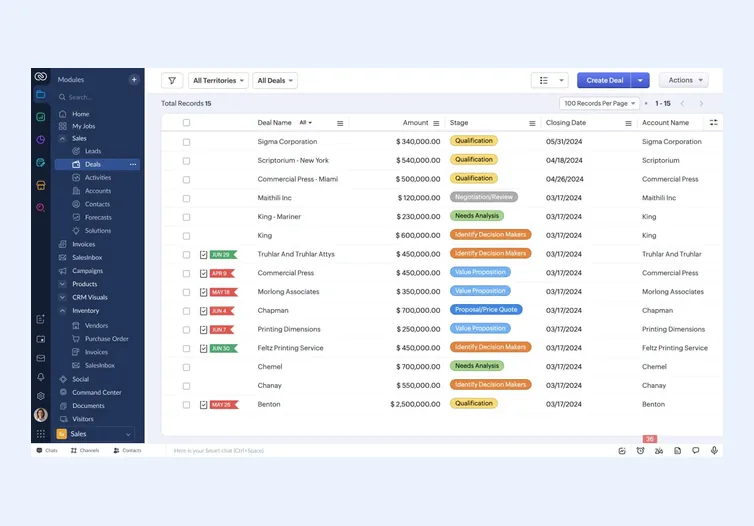
Landing page, source and campaign data passed into the CRM with each lead, so organic contributions to opportunities and won deals can be reported reliably.

Crawling, indexing, site structure and page speed reviewed so content and commercial pages can be found and understood, using the same checks as a full technical audit.
How I Work
Buyers, offers and sales process
 Sales and customer interviews
Current site and content audit
Keyword and competitor research
CRM and tracking review
Sales and customer interviews
Current site and content audit
Keyword and competitor research
CRM and tracking review
Content, pages and attribution
Topic map by buying stage
Commercial page improvements
Comparison page plan
Lead capture and CRM fields
Technical fix list
Publish, measure and refine
Content briefs and reviews
Pipeline reporting by page
Sales feedback loop
Quarterly plan updates
B2B search behaves differently from consumer search. Search volumes are smaller, buying decisions involve several people, and the time between first search and signed contract can be long. A page that attracts few visitors may still be one of the most valuable on the site if those visitors are the right decision-makers.
That changes how a B2B SEO consultant should plan the work:
This is why I start B2B engagements by talking to sales, not by running a keyword tool. Sales teams know the questions prospects ask, the objections that come up and the alternatives buyers consider. Search data then shows how those questions are phrased and how competitive they are. The result is a plan grounded in how your buyers actually buy. For broader context on my approach, see SEO consulting.
B2B content works best when it follows the buyer's thinking. I usually plan three layers:
Comparison pages deserve particular care. Buyers search for them because they want a fair view, and they quickly notice when a page is a disguised sales pitch. I recommend being accurate about competitors, honest about where your solution fits and where it does not, and clear about the criteria buyers should use. That approach builds trust and tends to attract buyers who are a genuine fit.
Each content layer links to the next and to the relevant commercial page. This site follows the same pattern: articles like how to choose an ERP support evaluation, while service pages describe the work in detail. Content is written with search intent in mind, but it should read as expert advice first.
Content brings buyers in; commercial pages convert them. In many B2B sites, service and solution pages are the weakest part: vague descriptions, generic claims and a single contact form. Buyers who arrive from search need enough detail to judge fit before they are willing to talk to sales.
I review commercial pages for what a buyer needs to see:
Conversion paths should match the buyer's readiness. Someone reading an early problem article may want a checklist or guide, while someone on a comparison page may be ready for a conversation. I help design calls to action and forms that capture what sales needs, such as company, role and the problem they are trying to solve, without making the form a barrier. This work overlaps with B2B lead generation, and the two work best when planned together.
This is the part of B2B SEO most companies skip, and the part I care about most. If organic leads arrive in the CRM without source, landing page or topic data, you cannot tell which content brings real buyers. SEO then gets judged on traffic, which is a weak proxy for pipeline in B2B.
I help set up a simple, reliable flow:
This is where my CRM consulting background makes a practical difference. Many SEO consultants stop at GA4 conversions; I make sure the data reaches the system where revenue is actually tracked. The same setup supports paid channels, so organic and paid results can be compared on the same basis. I never promise rankings or lead numbers, but this measurement makes the real contribution of search visible.
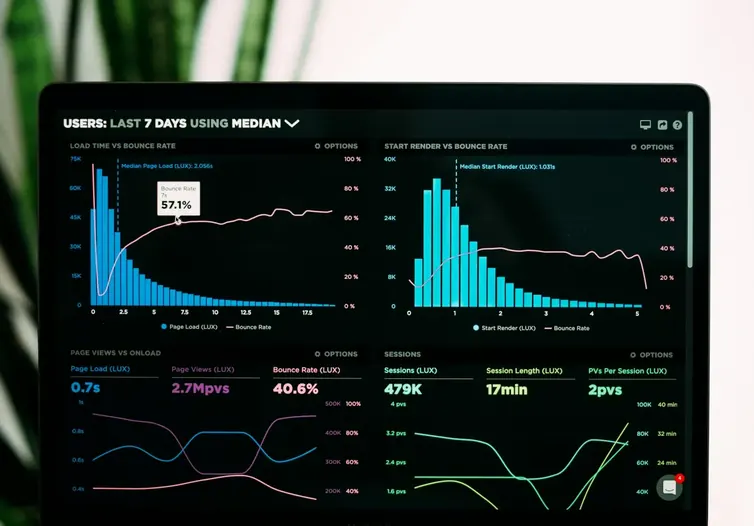
Traffic is an early signal, not the goal. I build B2B SEO reporting in layers, so marketing and sales leaders can see the full picture from search visibility to revenue.
These layers are reviewed together on a regular cadence. When a topic attracts visitors but no qualified leads, we revisit the content or the conversion path. When a narrow page consistently brings good opportunities, we look for related topics to build out.
B2B buyers also increasingly use AI assistants during research. Clear, factual content with well-structured answers supports visibility there too, which I cover under generative engine optimization. For software companies with trial or demo funnels, the approach is adapted further under SaaS SEO.

Tell me about your business and current systems. I’ll suggest the most sensible first step.
Book a Consultation
Not sure where growth is leaking?
Share your goals and current funnel with me. I will look at search, ads and CRM data together and tell you where the next lead is most likely to come from.
FAQ
B2B purchases involve several decision-makers, longer research periods and smaller search volumes. That means intent and lead quality matter more than traffic volume, and content must support evaluation and internal justification. I plan B2B SEO around the buying process and measure it against pipeline in the CRM rather than visits alone.
Often yes, because buyers search for comparisons during evaluation. The pages must be accurate and fair, describe competitors correctly and be clear about where each option fits. Misleading comparisons damage trust quickly. I help define the criteria, review claims and keep the tone helpful rather than aggressive.
I define which data to capture with each inquiry, such as landing page, referrer and campaign parameters, set up the CRM fields and rules to store it, and build reports that follow organic leads through to opportunities and deals. The exact setup depends on your CRM and form tools, and I work with your administrator or developer to implement it.
That is one of the most common B2B situations. Usually the cause is a mix of content that attracts the wrong audience, commercial pages that lack detail and conversion paths that do not match buyer readiness. I review all three alongside CRM data on lead quality, then prioritize changes that bring in and convert better-fit buyers.
I focus on strategy, topic mapping, briefs and expert review rather than high-volume writing. For specialized B2B topics, the best content usually combines your team's expertise with a skilled writer. I make sure each piece targets the right intent, covers what buyers need and links properly into your commercial pages.
Every business is different. Share where you are today and what you want to fix, and I’ll tell you honestly whether and how I can help.
Book a Consultation
Insights
 Book a Consultation
Book a consultation to talk through your processes, systems and goals. I’ll reply with practical next steps - no obligation.