Contact Info

 United Arab Emirates
What does a B2B lead generation consultant do for UAE companies?
A B2B lead generation consultant for the UAE designs the path from first contact to qualified opportunity. My remote work maps buying committees across family groups, regional offices and government-linked buyers, brings exhibition, distributor and referral leads into the CRM, plans LinkedIn, search and email with consent-aware outreach, and reports pipeline by source rather than contact counts.
Last reviewed by Vikas Saroj
Selling to businesses in the UAE means reaching several people at once: an owner or managing director, a procurement team, a technical lead and often a finance head, sometimes spread across a free zone entity, a mainland company and a regional office. Many purchases also start far from your website, at an exhibition stand, through a distributor or with an introduction from someone the buyer trusts.
I work remotely with UAE companies as an independent consultant to turn those scattered sources into one lead process. That means agreeing who you sell to, which channels reach them, how outreach respects consent rules, how a lead is qualified and handed to sales in the CRM, and how pipeline is reported. I do not promise lead volumes; I build a process you can measure and improve.
 What I Do
The work joins marketing channels, sales follow-up and CRM data into a single process your team can run.

Defining the companies worth pursuing by sector, size, emirate and export reach, then listing the roles in each buying committee and what each person needs to see before agreeing to a meeting.

A plan for trade show leads before, during and after the event: target account lists, badge scan fields, consent capture, fast CRM import and follow-up sequences that start while the conversation is still fresh.

Rules for registering and sharing leads with distributors and channel partners across the region, so partner-sourced opportunities are tracked, not lost, and conflicts over account ownership are settled by agreed criteria.

Deciding the role of LinkedIn, search, email, content and events for your buyers, with paid search coordinated through the sibling Google Ads work and organic search through B2B SEO.

Lifecycle stages, qualification questions, routing rules and response expectations set up in the CRM, so every inquiry reaches a named salesperson with its source, history and language preference.

Follow-up sequences for buyers who are not ready yet, and dashboards that show qualified leads, meetings, opportunities and won value by source rather than raw contact counts.
How I Work
See where leads come from today
 Closed deal review
Lead source inventory
Response time check
CRM data quality review
Closed deal review
Lead source inventory
Response time check
CRM data quality review
Agree definitions, channels and rules
Ideal customer profile
Qualification criteria
Outreach and consent rules
Routing and handoff design
Launch, follow up and refine
Channel launch in stages
Nurture sequences live
Monthly pipeline review
Sales feedback into targeting
A good ideal customer profile in the UAE goes beyond industry and company size. It records whether the buyer is a family group, a multinational regional office, a government-linked entity or a fast-growing founder-led company, because each buys differently. A Dubai regional office may research and shortlist, while the final approval sits with headquarters abroad. A family group may run purchasing centrally across several companies, with an owner who rarely fills in web forms but reads every proposal.
I start from your won and lost deals, not from assumptions. For each segment we list the roles involved: the person who feels the problem, the one who controls budget, the technical reviewer, procurement and anyone with a veto. Then we agree what each role needs at each stage, such as a capability statement, references, a site visit by your team or a pricing structure.
This map shapes everything that follows. It decides which job titles to target on LinkedIn, which questions your content must answer, which accounts deserve personal outreach and which signals mark a lead as sales-ready. It also exposes gaps early, such as a sales team that only ever speaks to one person in each account.
Much UAE B2B demand forms offline. Large trade exhibitions bring buyers from across the Middle East, Africa and South Asia into the same halls, distributors and agents hold relationships with end customers, and introductions through business networks carry real weight. These sources often produce the best opportunities, yet they are the ones most likely to vanish from the CRM.
For exhibitions, I plan the work in three parts. Before the event, a target list of accounts and roles, with outreach to book meetings. At the stand, a short capture form or badge scan with a few qualifying fields and a clear record of consent for follow-up. After the event, an import into the CRM within days, with follow-up sequences that refer to the actual conversation.
Distributor and partner leads need rules: how a partner registers an opportunity, how long they hold it, how you share leads you generate in their territory and how outcomes are reported back. Referrals deserve a source field of their own, so you can see which relationships produce pipeline. None of this needs heavy software; it needs agreed definitions, recorded in the CRM, and discipline from the sales team.
Digital channels play different roles for UAE B2B buyers. LinkedIn reaches named roles in target companies and works well for account-based campaigns and content aimed at senior decision-makers. Paid search captures people who already know what they need and are comparing suppliers; that side is covered on the UAE Google Ads consultant page. Organic content answers the research questions procurement and technical teams ask before contacting anyone, which links to B2B SEO.
Email and messaging handle follow-up and nurturing. WhatsApp is common for business conversations in the UAE once a relationship exists, but cold bulk messages are a different matter and can conflict with platform policies and telecom rules. I keep first contact on email and LinkedIn, and move to WhatsApp when the buyer chooses it.
Language matters too. Technical B2B content often works in English, while proposals or messages for some owner-led and government-facing buyers may need Arabic. The engagement runs in English. Arabic material is drafted or checked by native speakers you nominate, whether in-house or through a partner. I plan the mix around your sales capacity, because generating leads the team cannot follow up only damages the brand.
Outbound outreach can open doors in the UAE, but it needs care. Federal data protection law, the separate regimes of some financial free zones, telecom rules on marketing messages and calls, and each platform's own policies all affect how you can contact people and store their details. If you also sell into other Gulf countries or Europe, their rules may apply as well. Confirming which of these obligations bind your business is a task for your legal advisor.
What I do is design the process so it is easy to review and follow:
This also protects your sending reputation. Domains that send too much unsolicited email end up in spam folders, which hurts the messages your customers actually want, such as quotations and invoices.
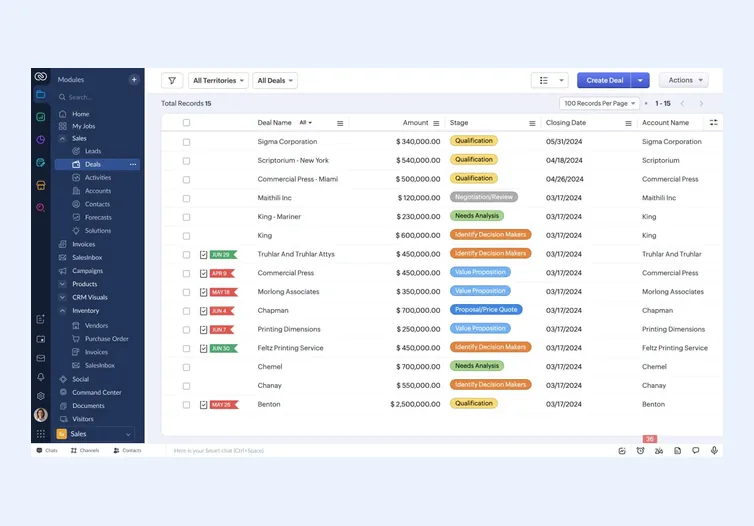
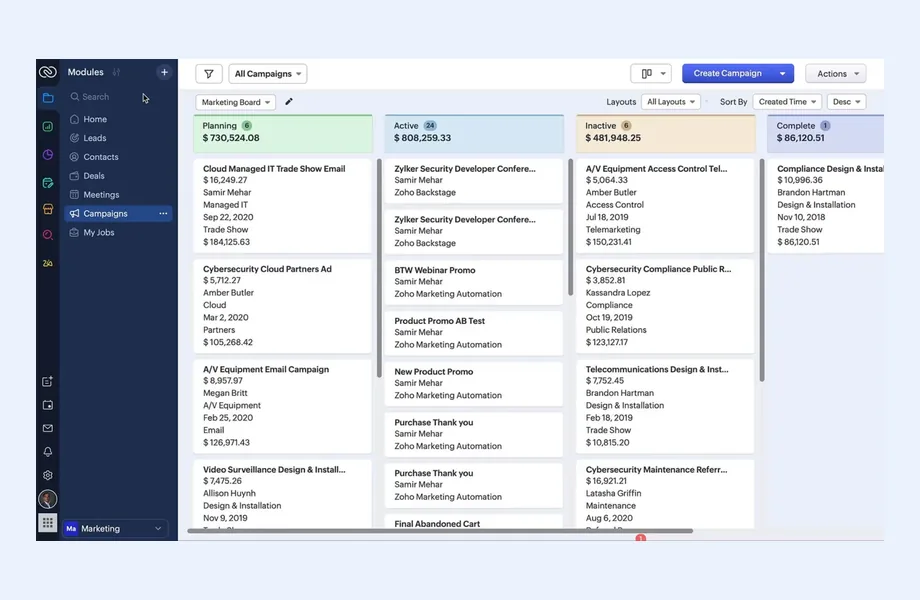
Leads lose value fastest between marketing and sales. A visitor fills in a form, an exhibition contact is scanned or a distributor passes a name, and then nothing happens for a week. I set up qualification and handoff in the CRM so each lead has a status, an owner and an expected response time, with alerts when it is missed.
Qualification criteria are agreed with sales leadership in plain language: the right type of company, a real need, a role involved in the decision and a realistic timeframe. Leads that are interested but not ready move into nurturing, with content matched to their role and sector, and return to sales when they show buying signals. The CRM design behind this is covered on the UAE CRM consultant page.
Measurement follows the pipeline, not the inbox. I report qualified leads, meetings held, opportunities, proposal value and won business by original source, whether that was an exhibition, a distributor, LinkedIn, search or a referral. Disqualification reasons are tracked too, because they show which channels attract the wrong buyers. Reviewing this monthly with sales and marketing together turns lead quality from an argument into a shared fix. More context on the market sits on the UAE hub.

Tell me about your business and current systems. I’ll suggest the most sensible first step.
Book a Consultation
Not sure which ERP you need?
Share your business requirements with me and I will help you understand the right process, architecture and platform before implementation.
FAQ
Yes, if exhibition leads are captured with a clear source, imported into the CRM promptly and followed through to opportunities and won deals. I set up capture fields, consent records and follow-up sequences for each event, so you can compare the pipeline from an exhibition with the pipeline from other channels.
Rules depend on the channel, the recipient and where your entity is registered, including free zone regimes, and platform policies apply too. I design outreach to be personalized, low-volume and easy to opt out of, with consent recorded in the CRM. Your legal advisor should confirm what is permitted for your business.
I set rules for how partners register leads, how long they hold them and how outcomes are reported back. Partner-sourced opportunities get their own source values in the CRM, so you can see what each relationship contributes and avoid disputes over who owns an account.
No. Lead volume depends on your market, offer, competition and how quickly sales follows up, none of which a consultant controls. I commit to clear definitions, working tracking, consent-aware outreach and honest reporting of pipeline by source, then improve the process with sales feedback.
The work is remote. I plan target lists, capture forms, CRM import and follow-up with your team online before and after the event, and your staff handle the stand. Visits can be discussed by arrangement if there is a clear need.
Every business is different. Share where you are today and what you want to fix, and I’ll tell you honestly whether and how I can help.
Book a Consultation
Insights
 Book a Consultation
Book a consultation to talk through your processes, systems and goals. I’ll reply with practical next steps - no obligation.