Contact Info

 Spain
Spain
How does B2B lead generation work for Spanish companies?
B2B lead generation for Spanish companies organizes relationship-led selling into a measurable process. I work remotely to define target accounts and decision-makers, add routines for referrals, fairs and public tenders, build outreach around the consent rules your advisor confirms under Spanish law and GDPR, separate any Latin American expansion and route qualified leads through the CRM. Success is reported as pipeline, never promised lead numbers.
Last reviewed by Vikas Saroj
Spanish B2B sales still run on relationships. Buyers want to know who is behind a supplier, often through a recommendation, a meeting at a fair or a conversation with someone they already trust. Digital channels matter more every year, but they work best when they lead to that kind of contact rather than replacing it with automated volume.
As a remote, independent consultant I help Spanish companies design lead generation around that reality. Together we define the target customer and the people who decide, connect referrals, fairs, public contracts, search, LinkedIn and email in a single process, set outreach rules that respect Spanish and EU law, and make sure every qualified lead reaches sales through the CRM with its history attached.
The engagement runs in English. Messages and content in Spanish, Catalan or other languages are written by native speakers in your company or at an agency you choose.
 What I Do
Practical services for firms that sell through relationships at home and increasingly to Europe and Latin America.

Defining the sectors, regions and company types that bring good business, using your own won and lost deals, and listing who influences and signs each purchase.

Simple steps for logging introductions, capturing contacts at fairs and sector events with consent, and making sure every promising conversation has an owner and a next step.

Monitoring relevant public and private tenders, recording a bid or no-bid decision and treating each tender as an opportunity with stages, deadlines and a responsible person.

Email, phone and LinkedIn sequences built around the legal basis your advisor confirms under Spanish rules and GDPR, with opt-outs that stop every follow-up at once.

A separate lead process for Latin American markets, with country-specific lists, messaging written for local Spanish and time-zone aware follow-up from your team in Spain.

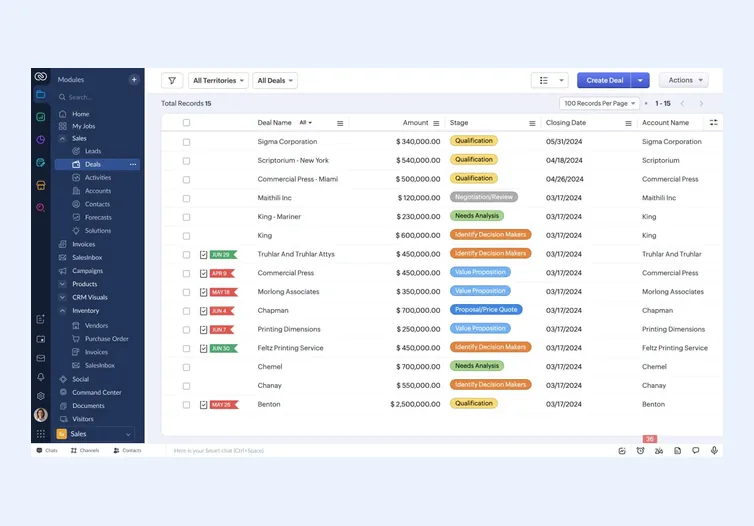
Lead stages, routing and alerts configured in the CRM, plus reports that trace each source to the opportunities and signed contracts it produced, not just the names it collected.
How I Work
How business arrives today
 Deal history review
Referral sources listed
Follow-up gaps found
Consent data checked
Deal history review
Referral sources listed
Follow-up gaps found
Consent data checked
Shared rules and routines
Lead definitions signed off
Outreach playbook written
Tender stage added
CRM routing configured
Monthly review with sales
Source performance review
Lost reason analysis
Nurture content refreshed
Budget and focus adjusted
Before choosing channels, it helps to be clear about who you are trying to reach. In a Spanish family-owned manufacturer, the owner or managing director often has the final word, with the technical director and the financial controller shaping the shortlist. In the Spanish subsidiary of a foreign group, decisions may need approval from headquarters, and procurement rules come from abroad. In public bodies and regulated sectors, formal procedures set the pace.
I build the profile from evidence you already have:
The output is a one-page ideal customer profile and a short list of buying roles with the questions and concerns of each. It guides every choice that follows, from which accounts receive outreach to which content gets written. It also exposes sources that already work but are handled informally, such as introductions from accountants, engineers or existing customers, which often deserve a proper routine before any new channel is added.
Recommendations carry a lot of weight in Spanish business. A process that records who introduced whom, thanks the introducer and follows up quickly can do more for pipeline than an extra campaign. I add a referral source field and a simple routine for logging introductions, so sales can see which relationships bring the best customers.
Sector fairs and business events in Madrid, Barcelona, Valencia, Bilbao and other cities are another strong source, but only if contacts are handled properly afterwards. The routine is straightforward: agree what to capture for each visitor, record consent where it is needed, load contacts into the CRM during or right after the event and assign follow-up before the team returns to normal work.
Public sector demand runs through formal procedures. Many central government contracts are published on the national public sector procurement platform, and autonomous communities and municipalities use their own channels as well. For companies that bid, the CRM gets a tender process with a bid or no-bid decision, deadlines, documents and an owner. Tender opportunities then appear in the same pipeline reports as other sources.
Search supports all three routes, because buyers check suppliers online before they call. For capturing buyers who are already searching, see my Spanish Google Ads work.
Spanish rules on commercial communications are stricter than many international sales playbooks assume. Commercial email is governed by the Spanish law on information society services, known as the LSSI, which generally requires prior consent, with an exception for similar products sold to existing customers. GDPR applies to the personal data of named business contacts. Spain also has an advertising exclusion service, the Robinson list, and rules on unsolicited commercial calls have been tightened. How all of this applies to your outreach depends on who you contact and how, so your data protection advisor should decide before any campaign starts.
I then build the process to follow that decision:
Within these limits, personal outreach still works. A relevant LinkedIn message from a named salesperson, followed by useful content and a phone call where permitted, fits the Spanish preference for knowing who you deal with. LinkedIn Ads aimed at target accounts can support that effort by making your name familiar before the first contact.
Shared language makes Latin America a natural next market for many Spanish firms, but it is not one market and not the same as Spain. Mexico, Colombia, Chile, Peru and Argentina differ in vocabulary, buying habits, tax rules, currencies and data protection laws. A lead process that simply reuses Spanish content and Spanish outreach rules will sound foreign and may break local requirements.
I recommend treating each priority country as its own segment:
Distributors and local agents often play a bigger role in Latin America than in Spain, so the process should define how partner-sourced leads are logged and who owns follow-up. Reporting then shows whether each country is producing real opportunities or just interest. When paid search is part of the plan, Spanish and Latin American campaigns stay separate so results remain readable. How one website can serve both Spain and Latin American buyers is discussed on my Spain SEO page.
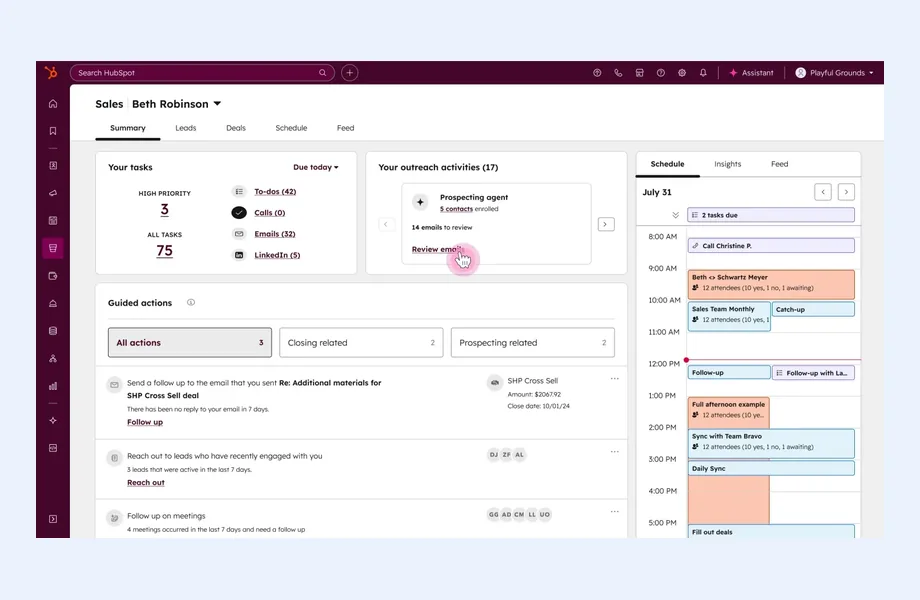
Leads that wait lose value, and in a relationship-led market a slow reply can end the conversation before it starts. I write qualification rules with sales leadership and then configure them in the CRM: fit criteria such as sector, region and size, engagement signals such as a quote request or meeting, lifecycle stages from new to accepted to opportunity, and a short list of disqualification reasons. Routing sends each lead to the right person by region, language and product line, and a reminder fires if nobody has called a qualified lead within the agreed time.
Nurturing serves buyers who are interested but not ready, which in Spain often means waiting for annual budgets or the end of a current contract. Journeys are short and specific to each role, written in Spanish or Catalan as the buyer prefers, and always offer a way to talk to a person.
Measurement follows the lead all the way:
The CRM foundations, including how WhatsApp and visit history are captured, are on my CRM consulting page for Spain, and the global method is under B2B lead generation. I work remotely, visits can be arranged, and the Spain overview lists related services. Lead volumes are never promised.

Tell me about your business and current systems. I’ll suggest the most sensible first step.
Book a Consultation
Not sure which ERP you need?
Share your business requirements with me and I will help you understand the right process, architecture and platform before implementation.
FAQ
The Spanish law on information society services generally requires prior consent for commercial email, with a limited exception for existing customers, and GDPR also applies to named contacts. The exact answer depends on your situation, so the call belongs to your data protection advisor. The CRM checks and sequences are then set up to enforce what they decide.
Referrals are treated as a source like any other. Sales log who made the introduction, the CRM routes the lead quickly and reports show which referrers bring customers who buy. That makes it easier to thank and support the relationships that matter, and to compare them fairly with digital sources.
Yes, as a separate process per priority country, with lists, sequences and content adapted by native speakers from that market and privacy rules checked with a local advisor. The CRM tracks country and currency, so you can see whether each market produces real opportunities. I do not promise lead numbers.
Measure the share of leads sales accepts, time to first real conversation, opportunities and pipeline value by source, and won deals with loss reasons. These show which channels bring buyers who matter. Lead counts alone tend to reward sources that produce many contacts and few customers.
Every business is different. Share where you are today and what you want to fix, and I’ll tell you honestly whether and how I can help.
Book a Consultation
Insights
 Book a Consultation
Book a consultation to talk through your processes, systems and goals. I’ll reply with practical next steps - no obligation.