Contact Info

 B2B Leads South Africa
How does B2B lead generation work in South Africa?
B2B lead generation in South Africa means reaching business buyers who often purchase through tenders, approved supplier lists and trusted relationships. I define target accounts and buying committees, combine tender monitoring, search, LinkedIn, events, referrals and email, design outreach around POPIA's direct marketing rules, and route qualified leads by province and product into your CRM. The work is remote, and lead volumes are never promised.
Last reviewed by Vikas Saroj
Many South African business purchases follow a formal route. Government and state-owned entities buy through tenders, large corporates through approved supplier lists and RFQs, and mid-sized firms often through relationships built over years. Supplier documentation, B-BBEE status and credit terms frequently matter as much as the product. A lead generation plan that only counts web forms misses most of this.
I help South African companies design lead generation around how their buyers actually procure: which accounts to target, how to be found and remembered, how outreach stays within POPIA, and how qualified leads, tenders and RFQs move into the CRM. All of this is done remotely and without vendor ties, and it is judged by opportunities your sellers agree are real.
 What I Do
Each service aims at fewer wasted conversations and a pipeline your financial director can trust.

We agree which industries, company sizes and provinces to pursue, who sits in each buying committee, and what procurement, technical and finance roles need to see before approving you.

A process for spotting relevant public and private tenders, deciding quickly whether to bid, and tracking each one in the CRM from notice to award, alongside inbound leads.

Search, LinkedIn, trade shows, industry associations, distributors, referrals and email weighed against how your buyers really choose suppliers, with effort focused where it can pay.

Email and LinkedIn sequences built around consent records, a clear identity and an easy opt-out on every message, with the rules for your situation confirmed by your advisor.

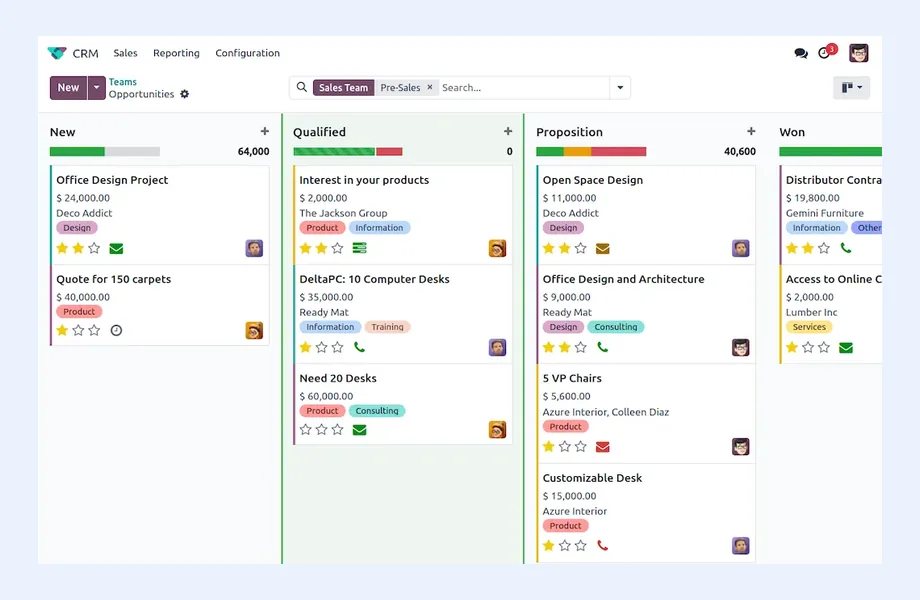
Inquiries are screened, ranked by how well the buyer fits and how keen they seem, then sent to the right product owner, branch or distributor, with nudges if nobody responds.

Reports showing accepted leads, tenders bid and won, quotes, approvals and orders by source, so management sees what each channel contributes.
How I Work
Buyers, routes and qualification
 Ideal customer workshop
Buying committee mapping
Lead and tender source review
Qualified lead definition
Ideal customer workshop
Buying committee mapping
Lead and tender source review
Qualified lead definition
Channels, outreach and CRM
Route-to-market choices
Consent and source records
Tender tracking stages
Routing by province
Review results with sales
Win and loss reviews
Disqualification analysis
Nurture content updates
Effort moved to proven sources
The first job is deciding who you most want to sell to. South African B2B sellers often serve a mix: mines and their contractors, manufacturers, retailers and distributors, municipalities and state-owned entities, financial services firms and professional practices. Each has a different buying process, and trying to reach all of them at once dilutes effort.
For each priority segment I work with your team to map the buying committee. In a large corporate, that might include the user department, procurement, a technical evaluator, finance and sometimes a transformation or enterprise development function that looks at supplier B-BBEE status and ownership. In a mid-sized family business, it may be the owner and one trusted manager. Each needs different evidence: specifications and references, pricing and credit terms, compliance documents or reassurance about service and support.
The workshop produces:
Being ready for supplier onboarding matters here. If a buyer asks for registration documents, tax compliance proof or B-BBEE information and you take weeks to respond, the lead cools regardless of how it was generated.
South African buyers find suppliers through several doors at once, and which ones matter depends on the industry:
Before recommending new spend, I trace how your best existing customers first reached you. The plan then strengthens those routes before testing new ones.
Prospecting by email and SMS is a normal part of selling to businesses, but South Africa regulates it closely. The Protection of Personal Information Act covers personal information of individuals and, notably, of juristic persons such as companies, so business contact data is not automatically outside its scope. POPIA also sets rules for direct marketing by electronic communication, such as email and SMS. In broad terms, unsolicited electronic marketing to anyone who is not already a customer generally needs their consent, a person may be approached once to request that consent, and every message must offer a way to opt out. Existing customers can be contacted under narrower conditions. The Consumer Protection Act adds its own direct marketing provisions. Your information officer or legal advisor should confirm how this applies to you.
The outreach I plan therefore:
LinkedIn, events, referrals and inbound content carry much of the load where cold electronic outreach is constrained. Storing consent and opt-out history properly is covered in my South African CRM consulting.
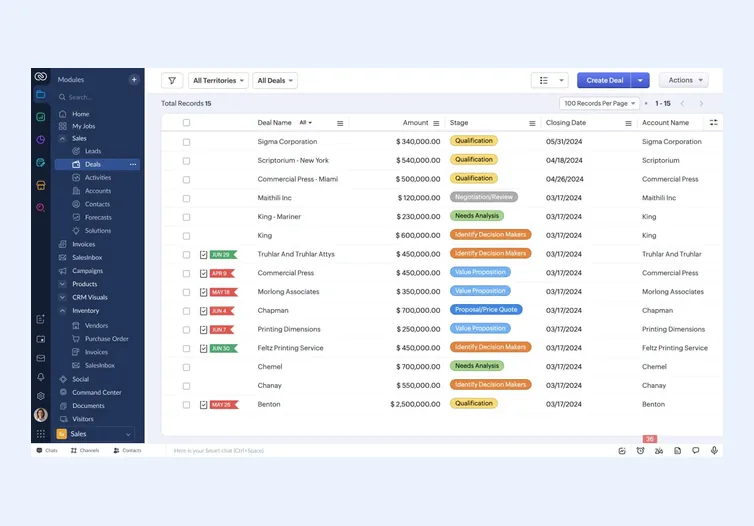
Leads in South African companies arrive through many doors: web forms, calls to reception, tender portals, emails to individual salespeople, WhatsApp and trade show scanners. Without one process, managers cannot see the pipeline, and tenders slip past closing dates.
Together with your sales manager, I set rules so that:
Distributor leads need agreed rules: who owns them, how quickly the partner responds and how outcomes are reported. Without that, partners stop sharing and you lose visibility of whole regions.
Paid search has its own page, Google Ads in South Africa, and sponsored LinkedIn work is described under LinkedIn Ads management.
A financial director learns almost nothing from badge scans, follower counts or open rates. The reporting I set up tracks money-shaped milestones:
Win and loss reviews are especially useful for tenders. Patterns in why bids fail, from pricing to documentation to B-BBEE scoring, guide where to bid next and what to fix first.
The prerequisite is stamping each lead or tender with its origin on arrival and never losing that stamp. I build the fields and dashboards and join periodic reviews where sales and marketing read them side by side.
No lead target is promised, since sector, offer, capacity and response speed all sit outside my control. What you gain is a clear line of sight from each route to revenue. See B2B lead generation for the wider framework, or the South Africa hub for everything else I do remotely for South African firms.

Tell me about your business and current systems. I’ll suggest the most sensible first step.
Book a Consultation
Not sure which ERP you need?
Share your business requirements with me and I will help you understand the right process, architecture and platform before implementation.
FAQ
It can. POPIA protects personal information of individuals and juristic persons, so business contact data is not automatically excluded, and its direct marketing rules for email and SMS generally require consent from people who are not existing customers. Your information officer or legal advisor should confirm how this applies to your outreach.
If public sector or large corporate buyers matter to you, yes. Tenders need their own pipeline in the CRM: notice, bid decision, submission, award. Tracking them alongside inbound and outbound leads shows management the full picture and lets you learn from wins and losses.
It often works well for reaching senior managers and specialists in corporate, financial and professional services, especially in Gauteng and the Western Cape. It is less effective where buyers are owners of small businesses who rarely use it. I assess audience size and deal value before recommending spend.
Decide the rule in advance. Options include routing to a distributor or agent, serving the buyer from the nearest branch with clear delivery terms, or politely declining. Whatever the choice, the CRM should record it so you can see demand by province and decide where to expand.
No. A quota would hide the things that really drive results: your market, offer, spend and how fast sellers reply. Instead you get reporting that links accepted leads, tenders, quotes and orders to their origin, which is what lets you cut weak channels and back strong ones.
Every business is different. Share where you are today and what you want to fix, and I’ll tell you honestly whether and how I can help.
Book a Consultation
Insights
 Book a Consultation
Book a consultation to talk through your processes, systems and goals. I’ll reply with practical next steps - no obligation.