Contact Info

 B2B Leads India
How does B2B lead generation consulting work for Indian companies?
A B2B lead generation consultant designs the process that finds business buyers, qualifies them and hands them to sales. For Indian firms that means defining target accounts and buying committees, combining search, LinkedIn, trade fair follow-up, dealer and referral channels, running outreach with the DPDP Act and telecom marketing rules in mind, and tracking every lead in the CRM until it becomes pipeline. I work remotely and never promise lead volumes.
Last reviewed by Vikas Saroj
Selling to businesses in India usually involves more people than a sales plan assumes. A purchase executive finds suppliers, a plant head or technical lead judges the specification, finance negotiates credit terms and a promoter or director signs off. Inquiries arrive from B2B marketplaces, exhibitions, dealers, referrals and search, and each source tends to be handled by someone different, in a different way.
I help Indian companies turn that into one lead generation process: who you want to reach, how they find suppliers, which channels deserve effort, how leads are qualified and how they reach sales inside the CRM. I work remotely and in English, and success is measured by pipeline your sales team accepts, not by the size of a contact list.
 What I Do
The aim is a repeatable flow of buyers your sales team is glad to call, recorded properly from first contact onward.

I define the industries, company sizes and regions worth pursuing, then name the roles inside each buying committee, from purchase executive to promoter, and what each must see before a supplier is shortlisted.

I weigh search, LinkedIn, marketplaces, exhibitions, dealers and referrals against how your buyers source suppliers, so effort goes to the few channels that suit your deal size and sales capacity.

Stalls collect visiting cards and badge scans that often sit unworked for weeks. I design capture, enrichment and follow-up sequences so exhibition contacts reach the CRM quickly and are qualified properly.

Email and LinkedIn prospecting runs in measured batches, every message carries an unsubscribe route, each contact's origin is logged, and consent or calling questions go to your advisor first.

Sales and I settle what earns a lead a phone call, build scoring on fit and intent, and route leads by product line, region or dealer territory so no buyer waits for a reply.

Buyers not ready yet receive useful follow-up by role and industry, while reports show qualified leads, opportunities and won orders by source instead of downloads and likes.
How I Work
Agree who to target and why
 Ideal customer workshop
Buying committee mapping
Current lead source review
Qualification rules with sales
Ideal customer workshop
Buying committee mapping
Current lead source review
Qualification rules with sales
Channels, capture and CRM handoff
Channel plan by segment
Forms and source tracking
Outreach and nurture sequences
CRM routing and alerts
Measure pipeline and adjust
Sales feedback sessions
Pipeline review by source
Scoring adjustments
Effort moved to proven channels
Before choosing any channel, I sit down with your sales team to write down who actually buys from you. That covers industries and company types, typical size, regions and the trigger that starts a search: a new plant, a compliance change, a supplier who let them down, a fresh round of funding. It also covers the buying committee, which in Indian companies often mixes a purchase or stores executive, a technical evaluator, a finance head watching credit terms and a promoter or managing director who makes the final call.
Each of these people looks for something different. The engineer wants specifications, test reports and application notes. The purchase team compares price, delivery and payment terms. The promoter may care most about who else you supply and whether you will still be around in a few years. A plan that speaks to only one of them stalls with the others.
The workshop produces practical outputs:
Everything that follows, from keywords to LinkedIn audiences, flows from these definitions.
Indian B2B buying runs through several routes at once, and the mix varies by industry. A practical plan accounts for each:
Before recommending new spend, I review where your current customers actually came from. The answer frequently points to channels that already work but are followed up poorly.
No single channel carries a B2B pipeline for long. I plan a mix where each channel has a defined job. Organic search and useful content catch buyers who are already researching. Google Ads in India captures urgent, high-intent searches by product and city. LinkedIn Ads and organic LinkedIn activity put your name in front of senior people in target accounts, which makes the first sales call warmer. Email nurtures contacts who are interested but not ready, through a channel you control.
Outbound needs extra care. The Digital Personal Data Protection Act sets consent and notice duties for personal data, with its rules taking effect in stages, and India's telecom rules on unsolicited commercial communication restrict promotional calls and messages to numbers whose owners have registered preferences against them. How these apply to business contacts is for your legal advisor to judge. The outreach I design therefore:
That protects your email sender reputation as much as your legal position, and it keeps sales from calling people who already said no.
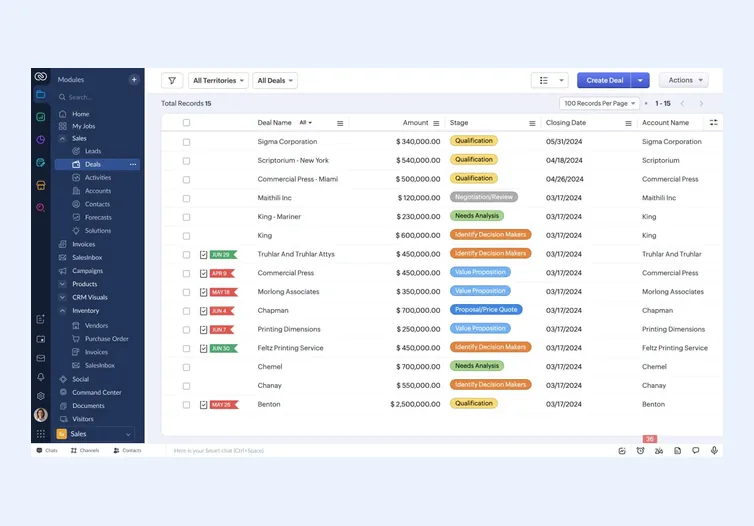
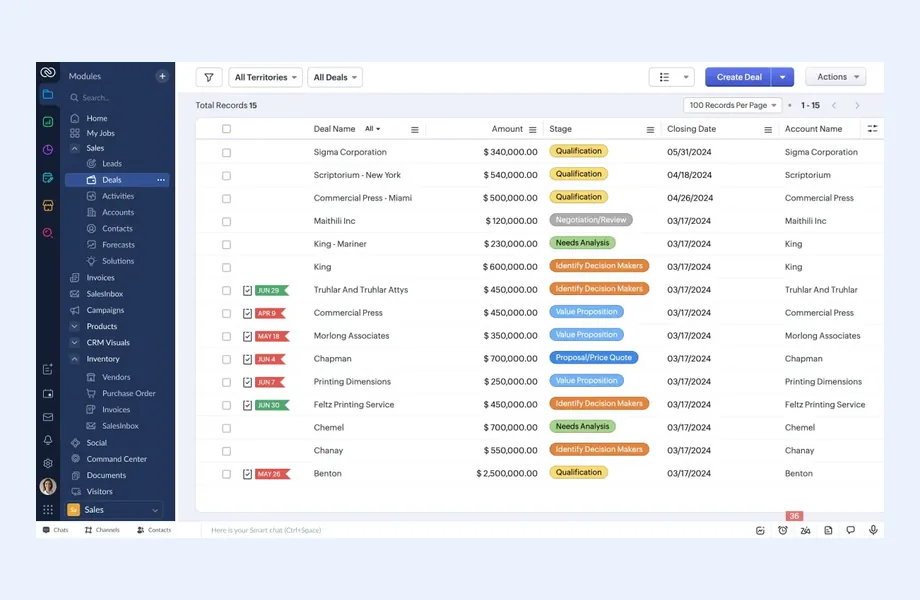
A lead generation process fails quietly at the handoff. Inquiries arrive by form, call, WhatsApp, marketplace and email; some land on a sales executive's personal phone and never enter any system. Others sit in a shared inbox until the buyer has picked someone else.
I design the path from first contact to sales conversation inside the CRM:
Dealer and distributor leads need agreed rules: who owns the lead, how quickly the partner must respond and how the outcome is reported back. Without that, channel partners stop sharing.
This overlaps closely with CRM design. My page on CRM consulting in India covers pipelines and stages; here the focus is getting leads into that pipeline in good shape.
Lead generation reports often celebrate the wrong things: impressions, followers, downloads or a pile of marketplace inquiries. None of these tells a promoter or sales head whether the effort is paying for itself. I build reporting around the stages that matter to the business:
This depends on capturing source data the moment a lead enters the CRM and keeping it attached as the deal moves forward. I set up the fields, tracking parameters and reports, then review them with marketing and sales together at a regular rhythm, so both teams act on the same figures.
I do not promise lead volumes. Results depend on your market, your offer and how quickly sales follows up. What I build is a process in which you can see what each channel contributes and move effort accordingly. The wider method is on my B2B lead generation page, and the India hub lists the rest of my remote work for Indian companies.

Tell me about your business and current systems. I’ll suggest the most sensible first step.
Book a Consultation
Not sure which ERP you need?
Share your business requirements with me and I will help you understand the right process, architecture and platform before implementation.
FAQ
Some are. Many marketplace inquiries are price checks sent to lots of suppliers at once, so they need quick filtering rather than full sales effort. I set up a short qualification step and track which marketplace leads become orders, so you can judge the channel on outcomes and decide how much time and subscription spend it deserves.
Outreach to business contacts is common, but the DPDP Act and telecom rules on commercial calls and messages affect how it is done, so ask your legal advisor how they bear on your situation. I design outreach that is targeted, records contact sources, honors opt-outs and avoids bought lists of unknown origin.
Plan the follow-up before the event. I set up quick capture of cards and badge scans with notes on interest, a rule for loading them into the CRM within days, and sequences by product or role. Sales then calls the warmest contacts first, while the rest receive useful follow-up instead of a generic thank-you mail.
It can, particularly for reaching senior people in larger firms, IT and services buyers and overseas targets for exporters. It is less useful where buyers are small business owners who rarely use it. I check audience size and fit before recommending spend, and coordinate LinkedIn with sales outreach so ads support conversations rather than replace them.
No, and I would be wary of anyone who does. Inquiry flow in Indian B2B markets swings with budgets, festive slowdowns, financial year-end buying and how fast your team calls back. What you get from me is visibility: which sources produce accepted leads, quotations and orders, so effort can follow evidence instead of hope.
Every business is different. Share where you are today and what you want to fix, and I’ll tell you honestly whether and how I can help.
Book a Consultation
Insights
 Book a Consultation
Book a consultation to talk through your processes, systems and goals. I’ll reply with practical next steps - no obligation.