Contact Info
 Poland
How does B2B lead generation work for Polish companies?
B2B lead generation for Polish companies has to win buyers abroad and stay strong at home. I work remotely to rank export markets, profile foreign buying committees, set routines for fairs, tenders and partners, run outreach only within the consent limits your advisor sets for Poland and each foreign market, and route qualified leads by market in the CRM. Success is pipeline per country, never promised lead volumes.
Last reviewed by Vikas Saroj
Polish B2B companies often compete for customers who sit in another country. A contract manufacturer in Greater Poland pitches to a German machine builder, a software house in Wrocław talks to a Scandinavian scale-up, a logistics firm near the western border bids for Dutch freight. At home, public tenders, sector fairs and long-standing relationships shape demand. Lead generation has to serve both worlds without mixing them up.
Designing that process for Polish firms is my remote, independent role, and it spans target markets and accounts, the buying roles in each, the mix of search, LinkedIn, fairs, tenders, partners and email, outreach rules your advisor confirms for Poland and each target country, lead qualification, the handover to sales inside the CRM, follow-up content and pipeline reports.
The engagement runs in English, which also suits many export conversations. Wording in Polish, German or any other buyer language is produced by mother-tongue colleagues or a copywriting agency you hire.
 What I Do
For suppliers who must earn trust from buyers abroad and stay visible at home.

Ranking foreign markets and home segments using your order history, production and service capacity, and the advantage you hold against suppliers already based in that country.

Profiles of who decides in each target market, from purchasing and engineering to quality and finance, with the doubts each role tends to raise about a supplier from Poland.

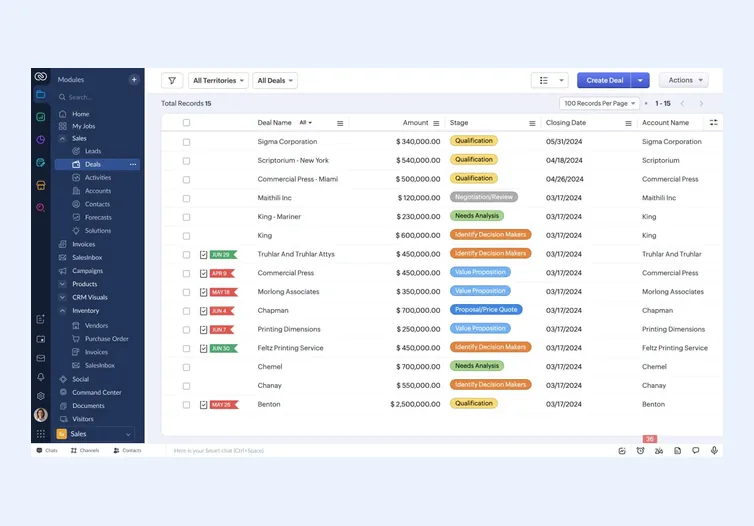
Routines for fair contacts, public and private tenders and leads from agents or partners, so every source lands in the CRM already assigned to a salesperson with a dated follow-up.

Email, LinkedIn and phone sequences built around the lawful basis your advisor confirms, with separate rules for each country and any opt-out honored across every campaign at once.

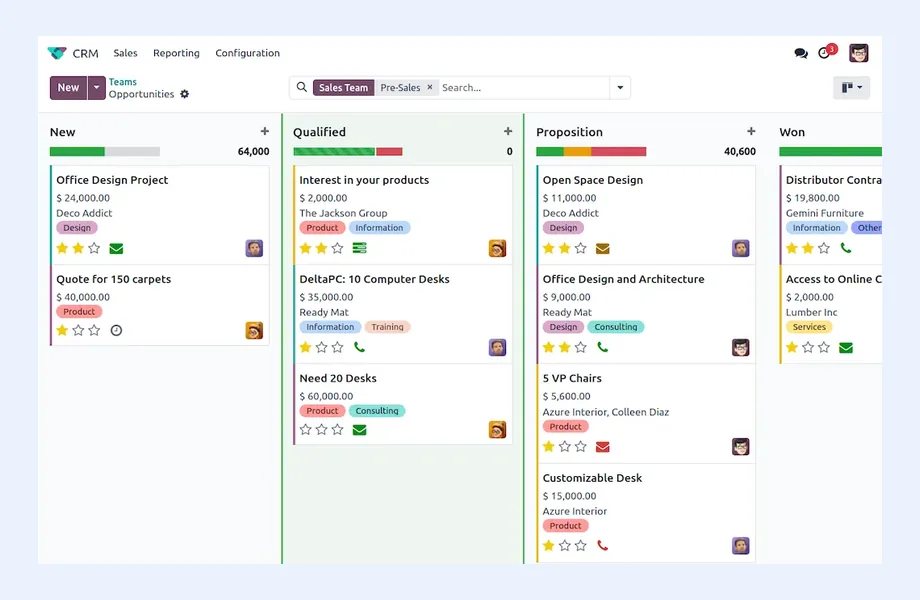
Shared lead stages, transparent scoring and routing by market, language and product line, with alerts when a qualified inquiry has not yet reached a salesperson.

Content journeys for buyers on long supplier qualification cycles, plus CRM reports that follow each source and country through to offers, orders and repeat business.
How I Work
Markets, accounts and roles
 Win history by country
Capacity and fit check
Buying roles defined
Sources inventoried
Win history by country
Capacity and fit check
Buying roles defined
Sources inventoried
Rules before automation
Lead stages signed off
Country outreach rules
Sequences and content
CRM routing set
Monthly with sales leadership
Pipeline by country
Loss reasons reviewed
Sources pruned
Content gaps filled
A foreign buyer considering a Polish supplier usually weighs more than price. Purchasing wants reliable delivery and clear terms, engineering wants evidence of capability, quality wants certificates and audit readiness, and finance wants a stable partner. Some buyers also carry doubts about distance, communication or what happens if something goes wrong. Lead generation succeeds when it addresses those concerns before the first meeting.
I start with your own data rather than assumptions:
From this I write a short ideal customer profile for each priority market, with the buying roles, their questions and the proof each one needs. A German purchasing manager, a Swedish product owner and a Polish plant director should not receive the same message, and the profiles make that difference explicit.
At home, the same review often shows that relationships, distributors and tenders already bring the best business. Those sources deserve proper routines in the CRM before new channels are added. If the CRM itself needs restructuring first, my CRM consulting for Polish companies covers it.
Trade fairs, in Poland and abroad, remain one of the strongest sources for Polish industrial suppliers. Their value depends on what happens afterwards. I set up a capture routine for the stand, recording the visitor's need, job role, country, agreed next action and consent. Badge scans and cards are uploaded every evening of the show, each contact already has a follow-up task by the last day, and the exhibition appears in the CRM as its own campaign whose quotations and orders can be counted later.
Public sector demand runs through formal procedures, with notices published on the national e-procurement platform and in EU-wide channels for larger contracts. Where bidding is part of your business, the CRM receives a tender pipeline: a decision to bid or pass, submission dates, the document checklist and a named person responsible. Private tenders from large manufacturers and retailers follow similar steps and fit the same structure.
Domestic outbound often starts from public company registers, which list legal names, addresses and identifiers. They can help build target lists, but using personal data from them for marketing still has to meet GDPR and Polish rules, so your advisor should confirm the approach. Company records keyed on the NIP keep the CRM clean when leads become customers.
Search supports every route, because buyers check suppliers online before replying to a message or visiting a stand. Buyers who are already searching, in Poland or abroad, are the focus of my Polish Google Ads work.
Cold outreach is common in Polish export sales, yet the rules are stricter than some sales teams assume. Polish law on electronic communications generally requires prior consent for direct marketing by email and phone, and named contacts at client companies are personal data under GDPR. Germany, Sweden or the Netherlands each layer national rules on top, and they do not all treat business addresses alike. Before a single sequence starts, your data protection officer or lawyer sets the approach market by market.
The CRM then carries out that decision:
Where consent is required, the work shifts toward channels that earn it: content worth subscribing to, webinars, fair meetings, partner introductions and inbound search. LinkedIn is valuable for export sellers because it lets named salespeople build relationships with defined roles abroad, and LinkedIn Ads shown to target accounts can make your company familiar before the first conversation. Messages are short, relevant to the role and written by a native speaker of the buyer's language.
Polish B2B sales teams are often split by market: one person covers DACH, another the Nordics, another the home market. The handoff must respect that structure, or leads end up with the wrong person and wait. Once the head of sales has approved the rules, they go into the CRM as follows:
Scoring stays simple enough for sales to read and challenge. For foreign leads, capturing the company's VAT number or registration details at qualification avoids duplicates when an offer becomes an order and moves into the ERP. Reporting labels both the market and the original source, which allows a fair comparison between, say, a fair in Germany and LinkedIn outreach to the same segment. The global method is described under B2B lead generation.
Supplier qualification abroad is rarely quick. Buyers request samples, audit a plant, run a trial order and compare alternatives before committing. Nurturing keeps the conversation alive during that time. Journeys are short and differ by country and job function: capability and quality content for engineers and quality managers, logistics and lead time topics for purchasing, and continuity and cost themes for finance. Native speakers write each sequence in the buyer's language, and each one offers a direct route to a salesperson.
Measurement follows the lead to the order book:
Each month sales leadership looks at these together and decides where the next exhibition budget goes, which channels to stop and which capability pages or case material are missing. For content that ranks with these buyers, see B2B SEO, and the Polish search specifics are on my SEO consulting page for Poland. Sessions run online, visits can be planned when they help, and the Poland overview lists related services. I never promise a number of leads; the goal is a pipeline you can see and improve.

Tell me about your business and current systems. I’ll suggest the most sensible first step.
Book a Consultation
Not sure which ERP you need?
Share your business requirements with me and I will help you understand the right process, architecture and platform before implementation.
FAQ
Polish rules on electronic communications generally require prior consent for direct marketing by email and phone, and GDPR applies to named business contacts. Where the line falls for your campaigns is a legal call for your data protection officer. The CRM can then block outreach for contacts without the agreed basis.
Start with a clear profile of the German buying roles and the doubts they raise about a foreign supplier, such as delivery, quality and communication. Then combine German-language content written by native speakers, fair meetings, LinkedIn activity and search, all tracked in the CRM by source so you can see what produces real opportunities.
They can be, particularly for suppliers to municipalities, utilities and large manufacturers. Each tender is logged as an opportunity with a decision to bid or pass, a submission date, a document checklist and a responsible person. That puts tender work next to exhibitions, outreach and search in one pipeline view, so the effort behind each route is visible.
No. How many inquiries arrive depends on your market, offer, capacity and reputation, and more contacts do not always mean more customers. What I commit to is a clear buyer definition, a dependable routine from first contact to quote, and reports showing which countries and channels create real quotations.
Every business is different. Share where you are today and what you want to fix, and I’ll tell you honestly whether and how I can help.
Book a Consultation
Insights
 Book a Consultation
Book a consultation to talk through your processes, systems and goals. I’ll reply with practical next steps - no obligation.