Contact Info
 Netherlands
What is B2B lead generation consulting for Dutch companies?
B2B lead generation consulting for the Netherlands sets up the route by which business buyers are found, qualified and passed to sales. From a remote base I handle target accounts and buying groups, search, LinkedIn, trade fair follow-up, tenders and requests for quotation, outreach that respects Dutch and EU rules, CRM stages from inquiry to order, nurturing and pipeline reporting. I do not promise lead volumes.
Last reviewed by Vikas Saroj
Dutch business buyers tend to be direct about what they want and skeptical of sales talk, yet decisions are often made by consensus. A logistics manager may say yes in the first call while finance, IT and the director still need to agree. Lead generation here has to give that wider group enough plain information to decide together, without pressure that reads as pushy.
I work remotely with Dutch B2B companies, and with foreign companies selling into the Netherlands, to design the route from first contact to sales-ready opportunity: target accounts, channels, outreach rules, qualification and the handoff into the CRM. We work in English, and any Dutch outreach or content is drafted or reviewed by people for whom Dutch is a first language, from your staff or a partner.
Contact lists are not something I supply, and I give no lead volume forecasts. I build a process in which every lead carries its source, sales and marketing agree what qualified means, and reporting shows which routes produce quotes and orders.
 What I Do
Designed for a market where buyers expect facts, decide in groups and often trade across borders.

Building target account criteria from your best customers by sector, size, region and situation, including Dutch subsidiaries of foreign groups and companies serving Belgium and Germany from the Netherlands.

Plain, factual material for each role in the decision, such as an operations overview, a finance summary of cost drivers and an IT note on integration and data handling, so the group can align.

Rules for which public tenders and private requests for quotation to pursue, how bid effort is recorded and how outcomes return to the CRM, so tenders are measured like any other source.

A capture and follow-up routine for trade fairs and sector events: conversations logged with consent notes, routed to the right salesperson and followed up within agreed times instead of sitting in a spreadsheet.

Outbound sequences, sender identification, opt-out handling and suppression lists designed around Dutch and EU marketing rules, and your legal advisor signs off each contact route before launch.

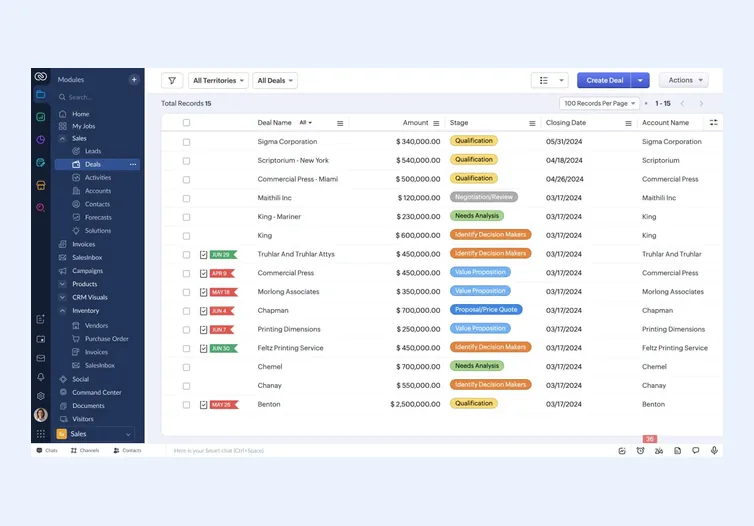
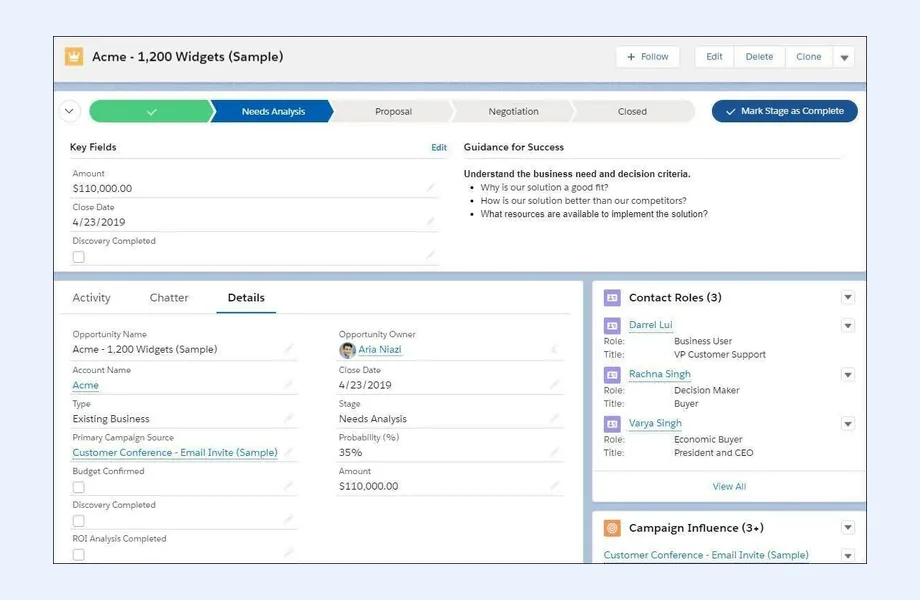
Lifecycle stages, routing, alerts and dashboards that follow each lead from source to quote and order, including cases where the order is booked in a separate ERP system.
How I Work
Agree targets and definitions
 Best customer analysis
Target account criteria
Decision roles per account
Qualified lead definition
Best customer analysis
Target account criteria
Decision roles per account
Qualified lead definition
Build routes and CRM rules
Channel mix chosen
Outreach rules confirmed by advisor
Event capture routine
Routing and alerts configured
Measure and rebalance
Source kept through to order
Quote and order rates
Joint pipeline reviews
Weak routes paused
A typical Dutch purchase involves several people with a say, and a culture of open discussion means objections are raised early and directly. Buyers usually do their homework first: they search, read comparison material, ask peers in their network and check LinkedIn profiles before agreeing to a meeting. When they do talk, they want specifics, such as what is included, how the rollout is phased and what drives cost. Vague claims and pressure tend to end conversations early.
For lead generation that suggests a different balance from a hard-sell outbound model:
Trade fairs and sector events still matter in logistics, horticulture, food, construction and technical wholesale, and conversations there are often the first touch in a long process. The weak point is usually the follow-up: scanned badges sit untouched for weeks. I set up a routine that logs each conversation in the CRM with a note on interest and consent, assigns it and tracks the response. For buyers who start with search, my SEO work in the Netherlands handles the organic side.
Public bodies in the Netherlands publish tenders through the national procurement platform and, above the EU thresholds, in the EU's official journal. Larger private buyers in logistics, facilities and manufacturing run their own requests for quotation, often with supplier qualification steps. For many B2B suppliers these formal processes produce a meaningful share of revenue, yet they are rarely treated as part of lead generation.
I bring them into the same system:
Framework agreements deserve particular attention. Winning a place on a framework is not the same as winning work; call-offs arrive later and need their own tracking. A CRM that records the framework as an account relationship and each call-off as an opportunity gives a truer view of pipeline. Tender rules and procedural questions belong with your bid team or legal advisor; my role is the process, data and measurement around them.
Unsolicited electronic marketing in the Netherlands is governed by Dutch telecommunications law implementing EU ePrivacy rules, alongside the GDPR, with supervision shared between the Autoriteit Persoonsgegevens and the consumer and markets authority. Dutch rules draw distinctions between contacting natural persons and legal entities, and between email, phone and other channels, and the details have shifted over time through guidance and enforcement. Treat any summary, including this one, as a starting point for your own legal advice rather than a ruling.
What I design around those rules:
For many Dutch B2B offers, a small number of researched emails combined with LinkedIn engagement, event follow-up and content is a better fit than high-volume sequences. Outreach copy in Dutch should be written by a native speaker, because translated templates are noticed immediately. Where you sell into Belgium or Germany from the Netherlands, those countries apply their own rules, which are stricter in places and need checking separately before any campaign crosses the border.
Dutch distributors, wholesalers and logistics providers often sell to accounts that already buy from them, and much new business comes through quotes rather than signed contracts. A lead process designed for software demos does not fit. I define stages that reflect your actual sales cycle, for example inquiry, qualified, quote sent, quote accepted and first order, and agree with sales which ones count as pipeline.
Lead routing then follows those stages. New companies go to new business sales; inquiries from existing accounts go to the account manager; requests from Belgium or Germany go to whoever handles that market. Each lead keeps its original source and campaign, even after it is merged with an existing contact or converted into an account, so a trade fair conversation that leads to an order months later is still credited correctly.
When quotes and orders are created in the ERP rather than the CRM, the link between the two systems decides whether pipeline reporting works. I map how the quote number or customer number connects back to the lead, and where an integration or regular sync is needed. Nurture journeys for leads that are not ready yet can run in Dutch and English, segmented by sector and role. My CRM consulting for Dutch companies covers the system boundary, and the Dutch Google Ads page explains how ordered value can be sent back to paid search.
Lead generation reports in many companies count activity: emails sent, posts published, scans collected at a fair. Those numbers are cheap to produce and say little about revenue. I set up reporting that starts in the CRM and works backward to the source:
Reviews bring sales and marketing to the same table, which suits Dutch working habits: the figures are put in front of everyone, objections are raised and decisions are made. A source that produces volume without orders gets fixed or cut. A narrow source that produces good accounts gets more attention.
The work runs remotely through workshops, shared documents and CRM configuration sessions with your administrator, during Dutch office hours. I take no commissions or referral fees from software vendors, data providers or event organizers. My general approach is set out on the B2B lead generation service page, and the Netherlands overview lists my other services.

Tell me about your business and current systems. I’ll suggest the most sensible first step.
Book a Consultation
Not sure which ERP you need?
Share your business requirements with me and I will help you understand the right process, architecture and platform before implementation.
FAQ
Possibly, depending on whether you contact a person or a company address, how you obtained the details and what you send. Dutch law implementing EU ePrivacy rules and the GDPR both apply, and guidance has changed over time. I design records, opt-outs and suppression lists, and your legal advisor confirms which routes you may use.
Yes, if they are part of how you win business. I record tenders and requests for quotation as opportunities with their source, effort and outcome, so you can compare them with inbound and outbound work. That shows whether bid effort pays off and which tender types are worth pursuing or skipping.
It means the first contact is rarely the only audience. I help you prepare plain material for each role, such as operations, finance and IT, use LinkedIn to reach the wider group and record several contacts per account in the CRM, so sales can see who is engaged before the decision meeting.
For many Dutch owner-managed firms and regional businesses, yes. International teams often respond well to English. I help you decide by segment, and Dutch messages are drafted by a first-language speaker from your company or a partner, since translated templates are easy to spot and tend to undermine trust.
Every business is different. Share where you are today and what you want to fix, and I’ll tell you honestly whether and how I can help.
Book a Consultation
Insights
 Book a Consultation
Book a consultation to talk through your processes, systems and goals. I’ll reply with practical next steps - no obligation.