Contact Info

 Lebanon
How can a CRM consultant help a Lebanese business?
A CRM consultant designs how a Lebanese business tracks customers, deals and follow-up, then picks the platform to run it. In Lebanon that often means guest and loyalty data for restaurant and hospitality groups, B2B pipelines for traders selling at home and abroad, quotes priced in dollars with settlement rules agreed with finance, and records in Arabic, French and English. I work remotely and independently.
Last reviewed by Vikas Saroj
Lebanese companies often know their customers personally and sell through relationships, messages and calls rather than formal campaigns. That works well until the business grows to several outlets, a second country or a sales team that changes. Then the knowledge sits with a few people, and nobody can say which customers are drifting away.
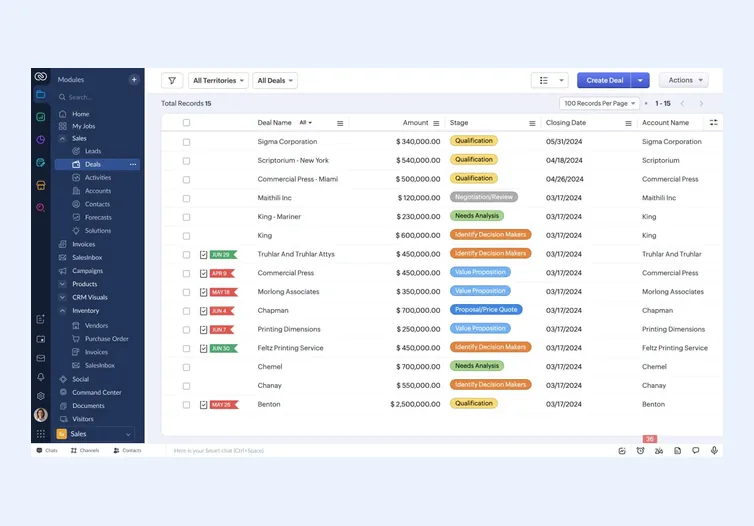
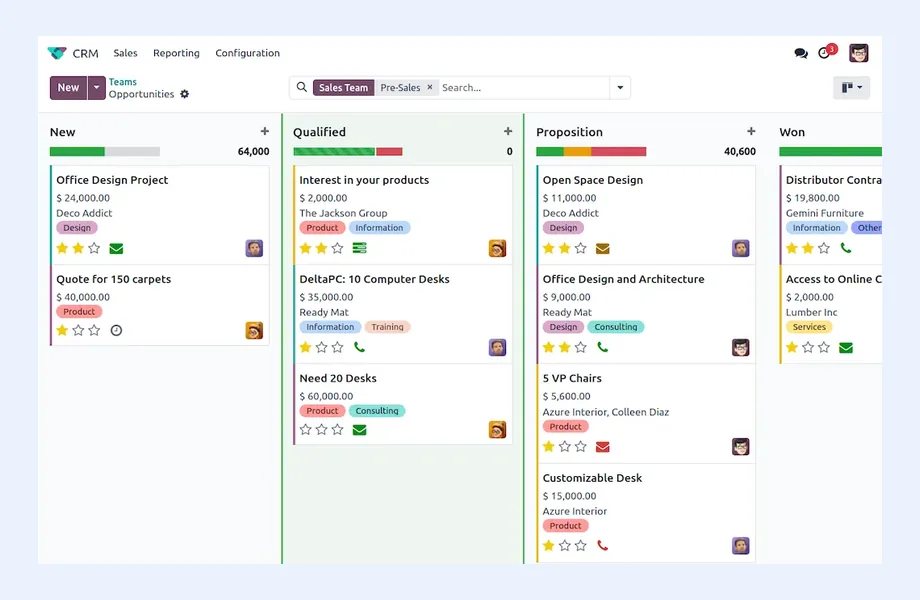
I help Lebanese businesses design a CRM that captures that knowledge without burying the team in admin. I map how you sell, agree what the CRM should hold and what stays in the ERP or point of sale, and compare platforms such as Zoho CRM, Odoo CRM, HubSpot and Salesforce on fit, not on who is pitching. I accept no vendor commissions.
The engagement is remote and in English. Arabic and French wording is drafted and signed off by your own bilingual colleagues.
 What I Do
The work covers both consumer-facing groups and B2B sellers, because many Lebanese companies are a little of each.

Design for guest, reservation, delivery and loyalty data in restaurant and hospitality groups, deciding what belongs in the point of sale, what moves to a CRM and how one guest is recognized across outlets.

Stages, ownership and lost reasons for traders, agencies and service firms selling in Lebanon and abroad, with each deal labeled by the buyer's market and the entity that will contract.

Agreement with finance on the currency each deal value is stored in, how quotes state settlement terms and how pipeline totals are reported, so sales and finance read the same numbers.

Name fields in Arabic and Latin script, a language preference per contact, duplicate rules that cope with different spellings, and a register of documents your team writes in each language.

Origin, consent and opt-out handling for marketing messages, role-based access and export limits, all following the guidance your legal advisor gives under Lebanese and foreign rules.

A scored comparison of CRM options, then dashboards and training built around the decisions each manager makes, with a review of how the system is really used after launch.
How I Work
Hear how customers are won
 Interview owners and sales leads
Map channels and outlets
Review guest and contact lists
Note currency practices
Interview owners and sales leads
Map channels and outlets
Review guest and contact lists
Note currency practices
Write the CRM rules down
Define stages and ownership
Agree deal currency rules
Set language and name fields
Score platform options
Roll out in steps
Check configuration against design
Test with real cases
Import cleaned records
Coach managers on dashboards
For a Lebanese restaurant or hospitality group, customer data is scattered across reservation tools, delivery platforms, point-of-sale systems, loyalty cards and the phones of outlet managers who know the regulars. A CRM can bring that together, but only if the design starts with a clear question: what do you want to do with guest data?
Common answers include recognizing a regular across outlets, inviting past guests to a new branch or seasonal menu, handling events and corporate bookings as proper deals, and following up complaints until they are resolved. Each needs different data.
Some groups need only a loyalty or reservation tool with good exports; others benefit from a full CRM fed by those tools. I set out both routes honestly, including what each costs to run. For the operational side of outlets, see hospitality ERP and restaurant ERP.
Lebanese traders, food producers, agencies and engineering firms frequently sell to customers in the Gulf, Africa and Europe, often through contacts in the Lebanese diaspora. Those deals start informally, with a call or a message from someone who knows someone, and move through samples, price negotiation and a trial order. Without structure, it is hard to say which markets are growing and which introductions led anywhere.
I design these pipelines to answer the questions owners actually ask:
Activity logging stays light: a call, a message summary, a next step and a date. The goal is that a new sales manager could pick up any account and understand its history quickly. For how one platform handles accounts shared between group companies, see my Zoho CRM notes for Lebanon.
In Lebanon a quotation may be priced in US dollars, settled partly in Lebanese pounds at a stated rate and reported to management in dollars. If the CRM and finance treat the currency of a deal differently, pipeline totals and invoiced revenue never agree, and the sales meeting turns into an argument about numbers.
I agree a short set of rules with finance before anything is configured:
The CRM does not decide exchange rates; finance does, and the ERP records them on invoices and receipts. The CRM only needs to show the agreed values consistently and pass them on when a deal is won. I test that handoff for each currency combination you use, and check that what comes back, such as invoice status and outstanding balance, appears in the currency the salesperson negotiated in.
The interface side is described on my Lebanon integration consulting page, and the general approach on multi-currency ERP.
A Lebanese contact list usually mixes scripts and languages. The same customer may appear under an Arabic name on a delivery note, a French spelling on an old invoice and an English transliteration in an email signature. Left alone, that produces duplicates, missed matches and messages sent in the wrong language.
The design choices I settle with your team:
The engagement itself runs in English, and customer-facing wording in each language comes from your own staff or a local partner. I verify that right-to-left text and mixed-script lines display and print correctly in the platform you choose, since support varies between screens, templates and mobile apps.
Cleanup comes before migration. I help your team merge duplicates, standardize phone formats and agree a single customer code that the ERP also uses, so the CRM starts with fewer, better records rather than every contact ever exported.
Power and internet interruptions remain a practical concern for many Lebanese teams, so the CRM has to tolerate them. I check what each shortlisted platform's mobile app can do on a weak or absent connection and whether drafts survive until sync, then agree a same-day routine for anything recorded on paper or in a message. A CRM that only works at a desk on a good line will not be used in the field.
Personal data needs the same early attention. Lebanese law includes provisions on personal data, and customers abroad, especially in Europe, may bring stricter expectations. Your legal advisor decides what applies. I translate their guidance into origin and consent fields, opt-out handling for messaging and email, restricted exports and a routine for dormant records, and I get written answers from each vendor on hosting location and data export.
Platform choice then weighs these factors alongside process fit and cost drivers. A group already running Odoo may be well served by Odoo CRM; an agency or consultancy with clients in Europe might lean toward HubSpot or Zoho CRM; a subsidiary of an international group may need Salesforce. How subscriptions are billed and paid from Lebanon also deserves a check before signing.
I work online, and a visit is possible only when arranged ahead. For the wider systems view, see the Lebanon ERP consultant page, my CRM consulting service and the Lebanon hub.

Tell me about your business and current systems. I’ll suggest the most sensible first step.
Book a Consultation
Not sure which ERP you need?
Share your business requirements with me and I will help you understand the right process, architecture and platform before implementation.
FAQ
It depends on what you want to do with guest data. If the goal is points and rewards, a loyalty tool linked to the point of sale may be enough. If you also manage events, corporate bookings, complaints and targeted invitations across outlets, a CRM fed by those tools adds value. I compare both routes against your plans.
That is agreed with finance, not chosen by the CRM. Many Lebanese businesses price and report in US dollars and settle some payments in pounds at a stated rate. I document the rules for price lists, quotes, settlement terms and pipeline reports, then test that CRM and ERP show the same values.
Most modern CRMs can store and display all three, but the design matters more than the feature. I set rules for name fields, language preference and duplicate checks based on phone or email rather than spelling, and your bilingual staff review wording and printouts before launch.
Partly, depending on the platform. Some mobile apps keep records offline and sync later; others need a connection for most actions. I test the shortlisted options under weak connections and agree a simple routine for logging calls, visits and orders once service returns, so the history stays complete.
Every business is different. Share where you are today and what you want to fix, and I’ll tell you honestly whether and how I can help.
Book a Consultation
Insights
 Book a Consultation
Book a consultation to talk through your processes, systems and goals. I’ll reply with practical next steps - no obligation.