Contact Info

 Odoo Inventory in Belgium
How should a Belgian distributor configure Odoo Inventory?
Belgian distributors get the most from Odoo Inventory when it copies their real sites and flows: imports through Antwerp or Liège, stock in Flanders and Wallonia, consignment or partner stock in the Netherlands and France, lots for food and chemical products, and delivery notes in the customer's language. Invoices from delivered quantities go to Odoo Accounting and Peppol. I design this remotely and confirm edition coverage with Odoo or your implementer.
Last reviewed by Vikas Saroj
Belgian distribution is compact and international at once. Containers arrive in Antwerp, urgent goods land at Liège, a main warehouse sits somewhere in Flanders, and customers in Brussels, Lille, Maastricht and Luxembourg expect next-day delivery with paperwork in their own language.
Odoo Inventory can model that with warehouses, routes, lots and multi-company stock, but only if the configuration mirrors what physically happens on your docks. I document the flows with your warehouse and purchasing leads, then design the structure your implementer will configure.
My work is remote and independent of Odoo and every implementer. I involve your accountant early, because Belgian stock decisions surface again in valuation, VAT treatment and the invoices sent over Peppol.
 What I Do
Each output is a written design note for the implementer, plus test cases your warehouse staff can run.

Odoo warehouses for each Belgian site, partner warehouse, consignment stock at customers and stock in the Netherlands or France, with zones such as hazardous storage or a cold room as locations.

Landed cost rules for sea freight through Antwerp, air cargo via Liège, customs agent fees and duty on non-EU goods, proven with real shipment documents before go-live.

Lot, serial and expiry tracking only for the ranges that need it, such as food, cosmetics, chemicals or electrical equipment, with a rehearsed recall from supplier batch to customer.

Delivery notes, picking lists and return slips printed in French, Dutch or German according to the customer, with translations supplied and proofread by colleagues fluent in each language.

Where Dutch, French or Luxembourg stock belongs to a sister company, the multi-company structure, intercompany sales and purchases and stock ownership rules, all agreed with your accountant before any setup starts.

A check of barcode needs on the floor, whether your edition includes the Barcode app, how supplier labels scan and which carrier connectors your version supports.
How I Work
Every site and flow written down
 Inbound routes by port
Sites and partners listed
Tracked ranges agreed
Document languages mapped
Inbound routes by port
Sites and partners listed
Tracked ranges agreed
Document languages mapped
Configured and tested in a copy
Routes run with samples
Landed costs proven
Recall rehearsed
Edition gaps noted
Counted, valued and signed off
Physical count by lot
Values matched to ledger
First invoices checked
Weekly issue review
A typical Belgian distributor holds stock in more than one place: a main warehouse near Antwerp, Ghent or the Brussels ring, a smaller depot in Wallonia, goods at a logistics partner and sometimes consignment stock at a large customer. Some also keep stock in the Netherlands or northern France to serve those markets quickly.
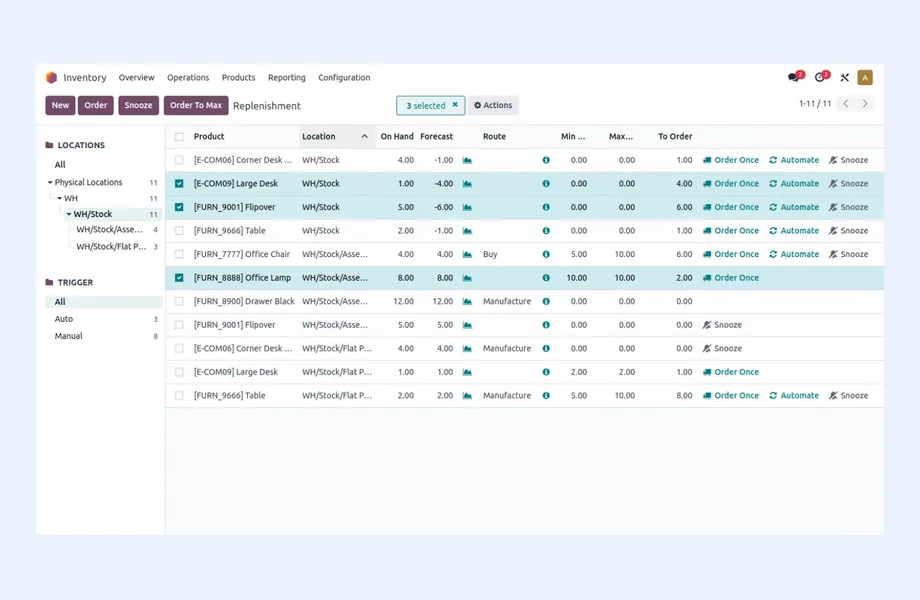
In Odoo, each site with its own receiving and shipping becomes a warehouse, and zones inside it, such as a hazardous goods area, a cold room or a returns bay, become locations. Transfers between sites are recorded as such, so stock in transit stays visible and nothing is written off and re-created. Consignment stock at a customer can be held in a dedicated location, so it remains yours until it is used and invoiced.
Stock held abroad raises a structural question that your accountant must answer first. Stock owned by the Belgian entity but sitting in the Netherlands or France is just one more warehouse, although cross-border transfers can have VAT and reporting effects. Stock owned by a sister company means a second company in the shared database, with intercompany sales and purchases that may be automated in Enterprise. I design the stock side once that decision is made. Product detail is on the Odoo Inventory page, and finance setup on Odoo Accounting in Belgium.
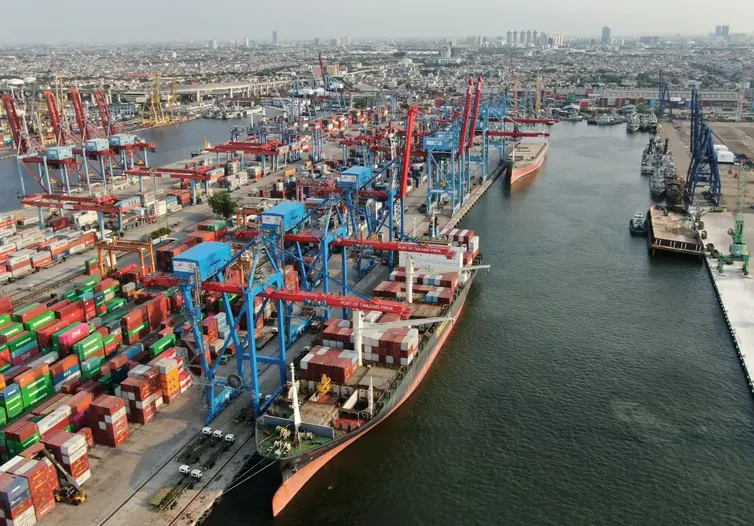
Many Belgian importers bring sea freight in through Antwerp, and some use Liège airport for urgent or high-value cargo. For the distributor, each shipment brings freight, terminal and handling fees, customs agent charges, duty on goods from outside the EU and inland transport. Those charges come in on their own invoices, often weeks after the goods have been sold, and margins look better than they are until someone allocates them.
Odoo can load such charges onto receipts through landed cost entries, choosing how each charge is divided among the products. I try it on your own documents: one container bill shared by several orders, a customs bill touching only part of a delivery, and a forwarder bill booked when half the goods are already sold. Results may vary with edition and version, which Odoo or the implementer should confirm for your case.
Your customs agent still files the declarations. What Odoo must supply is clean product data, including tariff code, origin and net weight, so the agent never has to key it in again. Import VAT handling, including any deferral arrangement, is set up with your accountant. The costing method chosen for each product category, usually average cost for traders, then decides how these allocated costs flow into stock value. See distribution for the industry view.
Belgian distributors often carry products with traceability demands: food and beverages for retail and food service, chemicals and plastics for industry, cosmetics, and electrical or technical equipment with warranty obligations. Food law expects you to know the supplier and customer of every lot. Chemical products carry safety data and transport classifications. Your quality or regulatory lead decides what must be recorded.
Odoo lets you set tracking per product: none, by lot or by serial number, with expiry dates on lots where the version provides them. A first expired, first out strategy can guide pickers toward older usable stock. I apply tracking only to the ranges that need it, write the receiving steps that capture lots correctly, and run a recall rehearsal from one supplier batch to every customer and back.
Chemical distribution adds hazards. Odoo can store classification data on products and you can separate hazardous storage into its own locations, but full dangerous goods documentation for transport is usually produced by the carrier or specialist software. Excise goods, such as beer, wine and spirits held under duty suspension, are another area where standard Odoo is unlikely to cover the full procedure, and your advisor should define what is required. I name those gaps before the build rather than after it. My Odoo Manufacturing in Belgium page covers the production side.
A customer in Liège expects a French delivery note, one in Leuven expects Dutch, and a customer in Eupen or Germany may expect German. Odoo prints delivery documents in the language set on the customer's contact record, as long as that language is active and product names and report texts have been translated. Item codes, units and barcodes remain the same in every language, so the product master stays single while the descriptions vary.
Sessions with me are in English. Your own French, Dutch or German speakers write or proofread product names, delivery note wording and return instructions, working from a list I prepare of every field and template involved. Mixed-language documents are a common complaint when this is skipped.
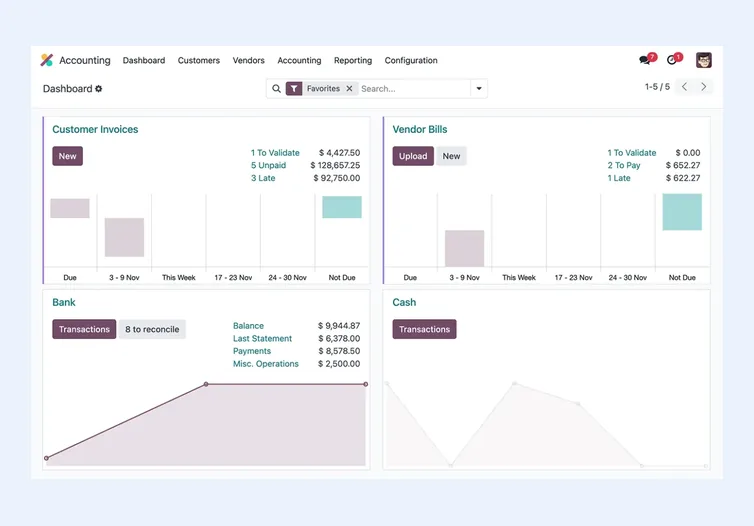
Invoices are where stock data meets Belgian e-invoicing. When invoicing follows delivered quantities, the invoice draws on what was actually shipped, so backorders and partial deliveries must be validated promptly. The invoice is then created in Odoo Accounting and may be exchanged over Peppol, depending on your obligations, which your accountant confirms, and on how your Odoo version connects to the network. I check that each customer has the identifiers a structured invoice needs. Intra-EU dispatches may also feed Intrastat reporting, which some Odoo editions support; your accountant decides whether to file from Odoo. See Zoho Inventory in Belgium for a lighter alternative.
On the warehouse floor, scanning makes more difference than any route setting. The Odoo Barcode app supports receipts, picks, packing and stock counts on handhelds or phones and has generally been an Enterprise app. I verify that for your version, check whether supplier labels scan cleanly, and run the flows with your own operators. Whether Odoo can print labels for your parcel carriers depends on the connectors available in your version and edition, which I look up before anyone promises it.
Odoo Inventory reaches its limits in some Belgian settings. A business that runs warehouses for other companies needs per-client invoicing, slot optimization and staff planning, which belong to specialist warehouse software. Highly automated warehouses need equipment control. Pharmaceutical wholesale under good distribution practice may require validated processes beyond standard Odoo. And a Belgian subsidiary that must use its group's ERP gains little from a separate Odoo instance.
If I see those signs, you hear it from me before an implementer begins, together with the alternatives worth comparing. For the wider decision, see my ERP consultant in Belgium page, the best ERP for distribution comparison and inventory and warehousing ERP. Integration with carriers and partners is part of the ERP integration service.

Tell me about your business and current systems. I’ll suggest the most sensible first step.
Book a Consultation
Not sure which ERP you need?
Share your business requirements with me and I will help you understand the right process, architecture and platform before implementation.
FAQ
Yes. Odoo uses the language on the customer's contact record when printing delivery notes and other documents, provided the language is active and product names and report texts are translated. The product codes stay the same; only descriptions change. Native speakers on your team should check the translations.
Odoo's landed cost entries load freight, agent fees, duty and haulage onto receipts and divide them using a rule you pick. I test it with your real documents and ask Odoo or the implementer to confirm its behavior for your version and edition.
Standard Odoo can track the stock, lots and locations, but full excise procedures for goods under duty suspension are unlikely to be covered out of the box. Your advisor defines what is required, and I check with Odoo or the implementer whether a module or a separate procedure is needed.
Indirectly. Invoices based on delivered quantities draw on validated deliveries, then Odoo Accounting creates the invoice and may exchange it over Peppol. Your accountant confirms your obligations, and Odoo or your implementer confirms how your version connects to the network.
The Odoo Barcode app has generally been part of Enterprise, and Community users often use third-party modules. Before devices are ordered, I get the position for your version verified, try your supplier labels and rehearse each flow with the warehouse team.
Every business is different. Share where you are today and what you want to fix, and I’ll tell you honestly whether and how I can help.
Book a Consultation
Insights
 Book a Consultation
Book a consultation to talk through your processes, systems and goals. I’ll reply with practical next steps - no obligation.