Contact Info

 Odoo Inventory KSA
How can an Odoo Inventory consultant help a Saudi business?
For a Saudi distributor or trader, an Odoo Inventory consultant sets up branch warehouses in different cities, stock carried on sales vans, transfers that head office can control, clearance costs on imports, and batch and expiry rules for food, pharmacy or cosmetics lines. I work remotely and independently, aligning each design with your finance team, zakat advisor and auditor before go-live.
Last reviewed by Vikas Saroj
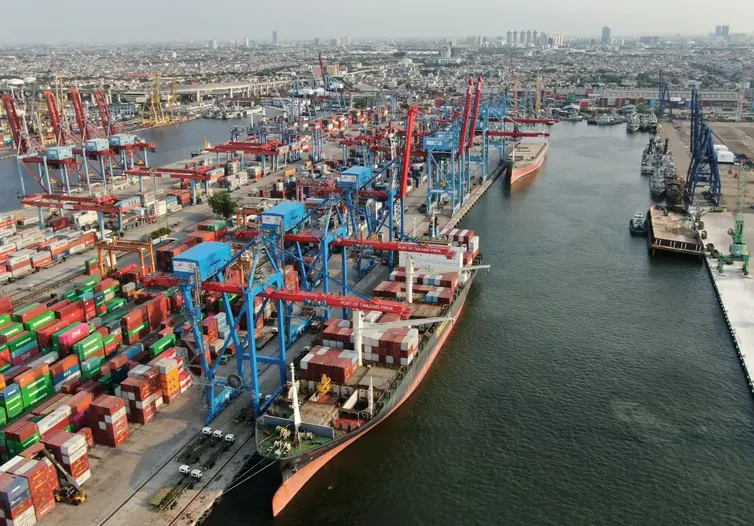
Saudi distributors seldom run a single warehouse. A central store near the port in Jeddah or Dammam feeds branch warehouses in Riyadh, Qassim, the south and the Eastern Province, and sales vans carry stock out from each of them. Head office wants to see what every branch holds and approve what moves between them. Branch managers want to serve customers without waiting.
Odoo Inventory can balance those needs when warehouses, transfer approvals and van stock are designed around how your branches really trade. That also means Arabic on the documents storekeepers and customers sign, expiry rules for perishable lines, and clearance costs from the port reaching item cost before branches set their selling prices.
I work remotely with Saudi companies as an independent Odoo consultant, holding live sessions on Arabia Standard Time within the Sunday to Thursday week. I hold no reseller agreement, so my advice on editions, apps and implementation firms stays neutral from the first workshop to go-live.
 What I Do
Below is the inventory work Saudi operations and finance teams most often ask me to lead or review.

A central warehouse and branch stores modeled with resupply routes, so branches request stock through Odoo and head office sees every request, approval and shipment between cities.

Each sales van treated as a location loaded from its branch, counted back at the end of the route, with variances reported per salesperson rather than written off.

Sea freight, customs duty, clearance agent fees, port charges and inland trucking attached to each shipment so item cost in riyals reflects the full landed figure.

Large spare parts ranges with supplier part numbers, alternates and bin locations, set up so storekeepers find the right item quickly and buyers avoid duplicate codes.

Lots, production and expiry dates for food, pharmacy and cosmetics lines, with earliest-expiry picking, near-expiry alerts and expired stock blocked from sale.

Transfer slips, delivery notes and product labels in Arabic and English, tested with real product names so storekeepers and customers can read them.
How I Work
Map the network and its habits
 Central and branch stores
Van routes and loading
Transfer approval rules
Batch and expiry needs
Costing view from finance
Central and branch stores
Van routes and loading
Transfer approval rules
Batch and expiry needs
Costing view from finance
Configure and rehearse transfers
Warehouses and routes
Van locations and returns
Landed cost on a shipment
Arabic slip templates
Scanner trial at a branch
Branch by branch where sensible
Count per branch and van
Opening values agreed
Storekeeper training in Arabic
Weekly variance review
The design question I spend most time on with Saudi clients is control. In some companies, branches order freely from the central store and head office reviews afterwards. In others, every request needs approval and branch managers cannot move stock between themselves. Odoo can support either pattern, but it has to be chosen on purpose.
I usually model each city's store as its own Odoo warehouse with a resupply route from the central warehouse. Reordering rules at the branch create transfer requests automatically when stock falls below agreed levels, and head office can review or adjust them before goods are picked. Goods in transit between cities sit in a transit location, so nobody counts them twice or loses them while a truck is on the road between Jeddah and Riyadh.
Branch-to-branch transfers deserve their own rule. They help when one branch runs short, but they also hide slow stock and break replenishment patterns. I usually allow them with approval and report them separately.
Transfers between your own branches are movements inside one company and are not customer invoices, so they normally sit outside e-invoicing. If your branches are separate legal entities, the position may differ. Confirm with your tax advisor, and see the Saudi Odoo overview for how ZATCA requirements affect the wider setup.
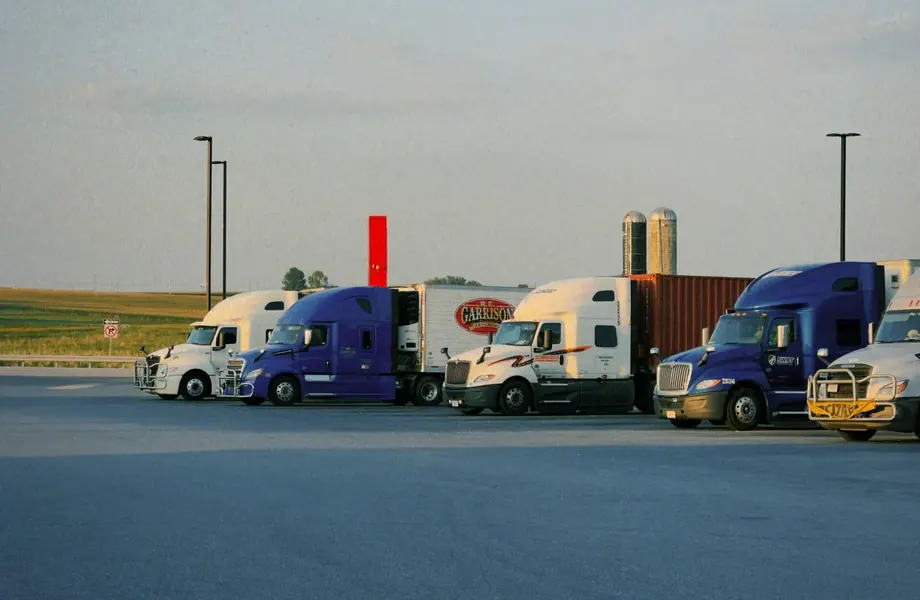
Selling from vans is common in Saudi food, beverage and consumer goods distribution. A salesperson loads in the morning, visits groceries and outlets along a route, sells and collects, and returns in the evening with unsold goods and returns from customers. Stock on the van is real stock, and it is often where variances hide.
In Odoo Inventory I treat each van as a location under its branch. The morning load is a transfer from the branch store to the van, the evening return is a transfer back, and anything that does not come back must be explained by a sale, a customer return or a documented loss. That gives finance a variance per van and per day, rather than a single write-off at month end.
The selling step is where you need to be careful. Standard Odoo was not designed as a dedicated van sales application, and invoicing at the customer's door must still meet Saudi e-invoicing rules for the type of invoice issued. Depending on volume, the answer might be Odoo's point of sale on a mobile device, a specialist route sales app connected to Odoo, or a lighter process where invoices are issued from the branch. I test the options with one route before committing the whole fleet.
Most Saudi traders import through Jeddah Islamic Port, King Abdulaziz Port in Dammam or by land from neighboring countries. Each shipment collects charges beyond the supplier invoice: sea or land freight, customs duty, the clearance agent's fees, port handling, certificates or inspections for regulated goods, and trucking from the port to your central store.
Odoo's landed cost feature can attach those charges to the receipt and allocate them to the products received. I confirm at the start that it is available in your edition and works as expected, then agree with finance how each charge is split. Duty usually follows declared value, trucking usually follows weight or volume, and fees for regulated product certificates may belong to the specific lines they relate to.
Import VAT should not sit inside item cost when it is recoverable; your tax advisor confirms how it is recorded. I set up a weekly review of shipments still waiting for clearance or trucking invoices, because a branch selling goods at a price set before the clearance costs arrived is one of the most common margin leaks I see in Saudi trading.
For the commercial and branch credit side, my page for Saudi trading companies goes into more detail.
Odoo offers standard, average and first in, first out costing per product category, with stock value posted to the ledger either as goods move or through periodic entries. In Saudi Arabia, the closing inventory value matters for the audited financial statements and can also feed into zakat calculations, depending on how your company is owned and assessed.
I do not advise on zakat, tax or accounting standards. What I do is make the choice concrete for the people who decide. I run a sample of your real purchases, clearance costs, branch transfers and sales through each method in a test database, and show your finance manager, zakat advisor and auditor the resulting values and journal entries.
A few patterns come up repeatedly:
I document the decision and test postings with finance. My page on Odoo Accounting in Saudi Arabia covers the ledger, VAT and e-invoicing side.
The Barcode app is how most Odoo warehouses scan receipts, picks and counts on handheld computers or phones. To my knowledge it belongs to Enterprise, so I settle the edition before hardware is ordered and test devices in a branch, not only at head office. Labels and slips need Arabic product names alongside English, and print templates should be checked with your longest names before go-live.
Spare parts traders, serving automotive, construction equipment and industrial customers, face a different problem: very large catalogs, several supplier part numbers for the same item, and alternates that can be sold when the original is out. I design product records, vendor codes and bin locations so storekeepers find parts quickly and buyers stop creating duplicates. Serial numbers suit higher-value components with warranties.
Food, pharmacy and cosmetics distributors need lots and expiry dates captured at receipt, earliest-expiry picking, alerts before goods expire and a block on expired stock. Some regulated products may fall under national traceability programs that expect reporting to an authority system. Odoo would usually need an integration for that, so I check current requirements with you and your regulatory advisor early.
Carriers and logistics providers in the Kingdom are typically connected through third-party connectors or API work, which I scope per provider.
Odoo Inventory suits most Saudi trading, distribution and light manufacturing businesses. A separate warehouse platform linked to Odoo deserves a look in these Saudi scenarios:
Often the better first step is tightening the Odoo setup already in place, since many variance problems come from skipped scans and informal transfers rather than missing features. In each case I help define what stays in Odoo, write the integration specification and compare proposals neutrally, without commission from any vendor. Related reading: distribution ERP, the Saudi ERP consultant page and the ERP vendor selection service.

Tell me about your business and current systems. I’ll suggest the most sensible first step.
Book a Consultation
Not sure which ERP you need?
Share your business requirements with me and I will help you understand the right process, architecture and platform before implementation.
FAQ
Yes. Each branch becomes a warehouse with a resupply route from the central store, transfer requests can be reviewed by head office before picking, and goods on the road sit in a transit location. Branch-to-branch moves can be allowed with approval and reported separately so slow stock does not hide.
Odoo Inventory can track van stock as a location with daily loads and returns. The selling step at the customer's door is the harder part, because invoices must meet Saudi e-invoicing rules. Depending on volume, I compare Odoo's point of sale, a dedicated route sales app connected to Odoo, or invoicing from the branch.
Odoo supports lots with expiry-related dates, earliest-expiry picking and blocking of expired stock. National traceability programs for some regulated products may require reporting to an authority system, which usually needs an integration. I check current requirements with your regulatory advisor before designing the process.
Community covers stock moves, routes and lot or serial tracking. Barcode scanning, several carrier connectors and quality tools are, to my knowledge, Enterprise features, and Saudi e-invoicing support also needs checking per edition. I compare Odoo's current edition list against your requirements before giving a recommendation.
Your finance manager, with your auditor and zakat advisor. I prepare a comparison using your real transactions in a test database so they can see how each Odoo method values stock and posts entries. I then configure and test the chosen method, but the decision itself stays with finance.
Every business is different. Share where you are today and what you want to fix, and I’ll tell you honestly whether and how I can help.
Book a Consultation
Insights
 Book a Consultation
Book a consultation to talk through your processes, systems and goals. I’ll reply with practical next steps - no obligation.