Contact Info

 Odoo CRM in Singapore
What should a Singapore company get right when setting up Odoo CRM?
A Singapore business using Odoo CRM needs to decide which group entity quotes each deal, apply GST correctly from the quotation onward, capture the customer details later needed for invoicing and e-invoicing, and record lead source and marketing consent at the point of entry. An Odoo CRM consultant designs those rules, sets up online quotation acceptance where useful, and advises whether an existing CRM should remain alongside Odoo.
Last reviewed by Vikas Saroj
Singapore companies often sell to the region from a head office, with subsidiaries in Malaysia, Indonesia or Vietnam invoicing local buyers. Leads arrive from LinkedIn and search campaigns, partner referrals and events, and the question of which entity should quote is answered differently by each salesperson.
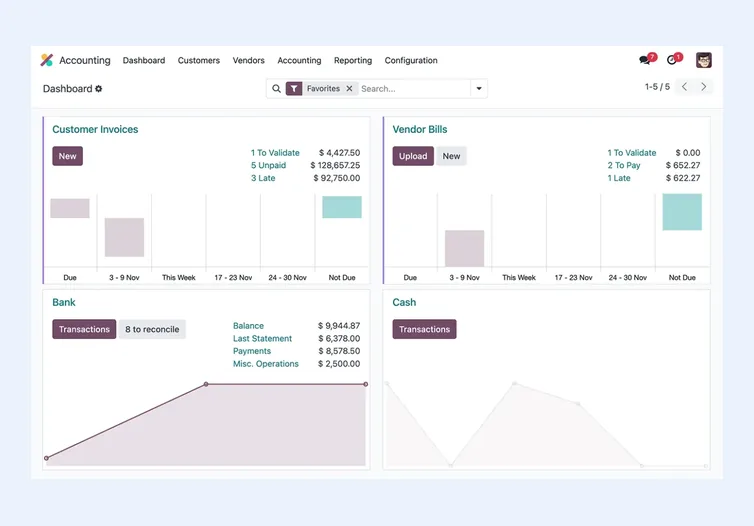
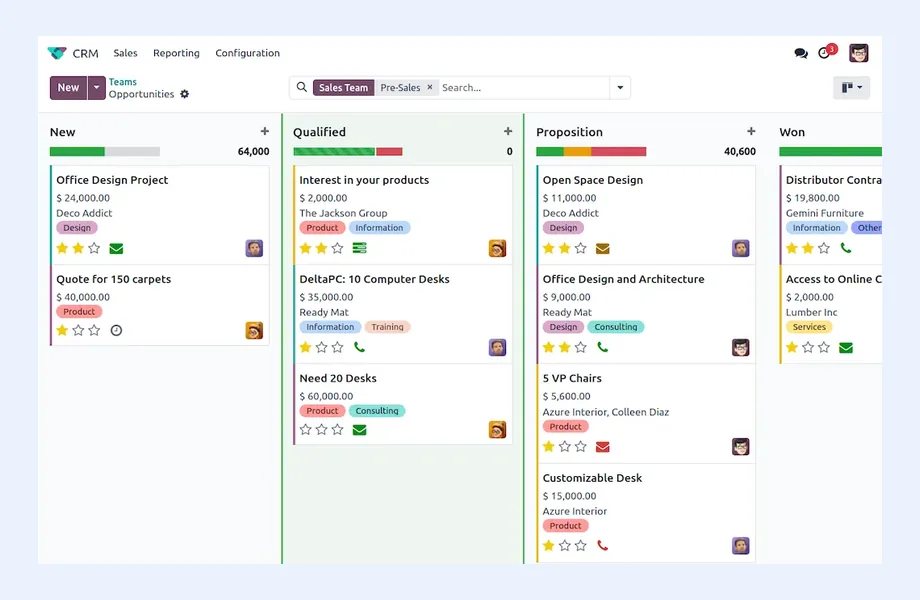
Odoo can carry a deal from the first form submission to an online quotation the buyer accepts, a sales order, delivery and a GST invoice, in the right company and currency. Getting that chain right means deciding entity routing, tax mapping, customer identity fields and source tracking before anyone configures a stage.
I support Singapore sales, marketing and finance leads remotely, meeting live during the Singapore working day and sending written notes after each step. Because I also work on paid media and lead generation, I pay close attention to whether campaign data survives all the way to revenue.
 What I Do
The scope runs from how a lead is captured to how the invoice is issued, so marketing, sales and finance can trust the same record.

Sales teams per company and rules for which entity quotes a deal, based on buyer location, product and contract, so orders land in the correct books and currency.

Taxes and fiscal positions for local, overseas and special cases mapped from your advisor's guidance, so the GST shown on the quote matches the tax invoice.

UEN, GST registration status and e-invoicing identifiers captured when a lead converts, with duplicate checks on those fields before any import.

Quotation templates, customer portal acceptance, electronic signature and down payments where your process uses them, tested from the buyer's side as well as the seller's.

Consistent campaign, medium and source values from LinkedIn, Google and web forms, carried from lead to order so reports show which channels bring revenue.

Marketing consent recorded at capture, opt-out handling and access rules on contact data, designed as general good practice for your legal advisor to confirm.
How I Work
Track leads through today's process
 Lead sources inventoried
Entity decisions observed
GST cases listed
Consent practice reviewed
Lead sources inventoried
Entity decisions observed
GST cases listed
Consent practice reviewed
Configure Odoo end to end
Companies, teams and routing
Source tracking conventions
Fiscal positions mapped
Portal quotation template
Lead to invoice test runs
Prove the data holds up
Sales and marketing training
Revenue by source report
Data quality checks
Tuning after launch
For a single Singapore company, entity routing does not arise. For a regional group, it is the first CRM design decision. A buyer in Johor may be served by the Malaysian subsidiary or invoiced from Singapore; a regional framework agreement may be signed by the head office while country entities deliver. If the CRM does not know, quotations are created in the wrong company and corrected later by finance.
Odoo ties every sales team to one company, and a quote raised by that team takes on the company's tax setup, currency, journals and letterhead. My usual design:
Whether a regional deal should be booked in Singapore or locally has tax and transfer pricing implications that your advisors should decide. Once they have, Odoo can enforce it. The wider multi-company and localization setup is covered on the Odoo consultant page for Singapore.
GST in Singapore is administered by IRAS. A GST-registered seller needs quotations and tax invoices that show tax correctly, and different treatment can apply to local supplies, exports and international services. Your tax advisor decides which treatment fits each kind of sale; my job is to make Odoo apply it consistently.
How I connect GST to the CRM side:
InvoiceNow is Singapore's Peppol-based e-invoicing network. If you send or plan to send invoices through it, the customer's Peppol participant identifier is another field worth capturing early, so finance is not chasing it later. How Odoo connects to InvoiceNow for your version, and whether that requires a specific module or access point provider, should be confirmed with your implementer at the time of the project.
Singapore buyers are used to approving documents online, and Odoo's customer portal lets a buyer view a quotation, accept it, sign electronically and, where configured, pay a deposit. Used well, that shortens the gap between verbal agreement and a confirmed order. Used carelessly, it lets buyers accept outdated prices.
The design points I agree with sales and finance:
I test the whole flow from the buyer's side, on desktop and mobile, before go-live. Some portal and payment features depend on Odoo edition and on third-party providers, so I check them against your version rather than assuming. The core CRM features this builds on are on the global Odoo CRM page.
Many Singapore B2B companies spend seriously on LinkedIn and search advertising but cannot say which campaigns produce orders. Odoo records campaign, medium and source on leads, and those values can carry through to quotations and orders. The difficulty is consistency: forms, ad links and imports all need to use the same values.
What I set up:
The PDPA in Singapore governs the collection, use and disclosure of personal data, and there are separate rules on marketing messages to Singapore telephone numbers. I describe these only in general terms; which of them bind your activities is for your legal advisor to say. In the system, the practical rules are simple: collect only what sales needs, record the source and consent, and restrict access by role.
Singapore technology and professional services firms sometimes already run HubSpot or Salesforce for marketing and sales. If marketing automation, account-based programs or a global sales process depend on it, keeping it is sensible. I then design Odoo as the owner of customers once quoted, orders, deliveries and invoices, with order and payment status sent back so the CRM remains useful.
Odoo CRM limits to weigh:
Odoo CRM is a weak choice if Odoo will not run your orders and invoicing, or if your pipeline is almost entirely marketing-generated and nurtured over long periods. For platform selection, start with my Singapore ERP consulting page and the Singapore hub. My wider approach to pipelines is under CRM consulting, and the ERPNext CRM page for Singapore covers service contracts and project quoting.

Tell me about your business and current systems. I’ll suggest the most sensible first step.
Book a Consultation
Not sure which ERP you need?
Share your business requirements with me and I will help you understand the right process, architecture and platform before implementation.
FAQ
It can. A Singapore parent and a Malaysian subsidiary can sit side by side in a single Odoo database, keeping separate tax rules, currencies and document layouts. I set up sales teams per company and routing rules for which entity quotes a deal. Your advisors should confirm where regional deals are booked; Odoo then enforces it.
The identifier can be held on the customer record, and I recommend capturing it at conversion if you use InvoiceNow. How Odoo actually sends invoices through the network for your version, and whether a particular module or access point provider is needed, should be confirmed with your implementer.
Yes, through the customer portal, with signature and online payment options configured per quotation template. Payment depends on a supported provider integration, and some features depend on edition. I test the buyer's experience before go-live and enforce validity dates.
Odoo can record consent, lead source and opt-outs, and restrict access to contact data by role. Those are useful controls, but compliance depends on your policies and practices. Your legal advisor should confirm your obligations, and I configure the CRM to support them.
Remotely, with live workshops in Singapore business hours, screen-shared configuration reviews and written summaries after each session. Regional colleagues in other time zones get recordings. Meeting face to face is possible only if we arrange it specifically.
Every business is different. Share where you are today and what you want to fix, and I’ll tell you honestly whether and how I can help.
Book a Consultation
Insights
 Book a Consultation
Book a consultation to talk through your processes, systems and goals. I’ll reply with practical next steps - no obligation.