Contact Info

 B2B Leads Singapore
How does B2B lead generation work for a Singapore company selling across the region?
B2B lead generation for a Singapore company means building a steady, measurable flow of business buyers from Singapore and the wider region. I define target accounts and buying committees, plan the mix of search, LinkedIn, events, partners and email, keep outreach within the PDPA, Do Not Call and spam rules, and route qualified leads to the right regional owner in your CRM. The work is remote, and no lead volume is ever promised.
Last reviewed by Vikas Saroj
For many Singapore firms the home market is a launch pad rather than the whole opportunity. Buyers sit in regional headquarters in the city, in subsidiaries in Malaysia, Indonesia, Thailand, Vietnam and the Philippines, and in procurement teams that may be in another country entirely. Leads arrive through LinkedIn, search, events, partners and referrals, and each sales owner tends to keep them in a different place.
I help Singapore companies design one lead generation process across those markets: which accounts to pursue, how buyers there shortlist suppliers, which channels earn their cost, how outreach stays within each country's rules and how qualified leads reach the right person in the CRM. I work remotely and independently, and I measure progress in pipeline, not in impressions.
 What I Do
Each service helps a small Singapore team cover a large region without losing track of who is talking to which buyer.

I define which industries, company types and markets to pursue first, and where decisions are actually made, whether at a Singapore regional office, a local subsidiary or a parent abroad.

For each target segment I list the roles involved, from regional procurement to country managers and finance, and what evidence each one needs before approving a new supplier.

Search, LinkedIn, events, partners and email are weighed separately for Singapore and each country, because a channel that works in the city may be weak in Jakarta or Hanoi.

Email and LinkedIn sequences with clear identity, relevant targeting, easy opt-out and source records, plus Do Not Call checks built into any phone or SMS follow-up.

Rules for sharing leads with distributors and channel partners in other markets: who owns each lead, response expectations and how outcomes return to your CRM.

Leads routed by country, product and account owner, nurtured where not ready, and reported as qualified leads, opportunities and won deals by market.
How I Work
Choose markets, accounts and roles
 Ideal customer by market
Buying committee mapping
Lead source and quality audit
Qualified lead definition
Ideal customer by market
Buying committee mapping
Lead source and quality audit
Qualified lead definition
Channels, rules and routing
Channel plan per country
Outreach and consent rules
Partner lead agreements
CRM routing and alerts
Review pipeline by market
Regional sales reviews
Scoring and nurture updates
Market budget shifts
Pipeline reporting by source
A Singapore ideal customer profile has an extra dimension: geography. The same industry may be worth pursuing in Singapore and Malaysia but not yet in Vietnam, because of language, regulation, partner coverage or the value of typical deals. I work with your leadership and sales team to decide where to focus first, rather than spreading effort thinly across every market at once.
Decision-making location matters as much as the target country. Some purchases are decided at a regional headquarters in Singapore and rolled out to subsidiaries; others are decided locally with only a final sign-off from the region; others again sit with a parent company in Europe, the United States, Japan or China. Each pattern needs a different approach and a different person to talk to.
The workshop produces:
Everything else, from LinkedIn audiences to event choices, is built on these decisions. Without them, the region becomes a list of countries rather than a plan.
Business buyers across the region find suppliers through overlapping routes, and the balance shifts by market and industry:
I review where current customers came from before suggesting new spend, then build the plan around the routes that already show promise.
Outbound outreach is a legitimate part of B2B lead generation in Singapore, but it has rules. The Personal Data Protection Act covers how personal data is collected, used and disclosed, with obligations around consent, notification and purpose. The Do Not Call provisions apply to marketing messages sent by voice call, SMS or fax to Singapore telephone numbers, and generally require a registry check unless clear consent exists. Separate spam control rules set expectations for unsolicited commercial email sent in bulk, such as identification and an unsubscribe facility. How these apply to business contacts and your specific campaigns is for your data protection officer or lawyer to settle.
Regional outreach adds other laws: Malaysia, Thailand, Indonesia, the Philippines and Vietnam each have data protection rules, and buyers whose parent company is in Europe may expect GDPR-level care. I design outreach that is defensible across markets:
Clean outreach also protects your email domain's reputation, which matters for every other email your company sends.
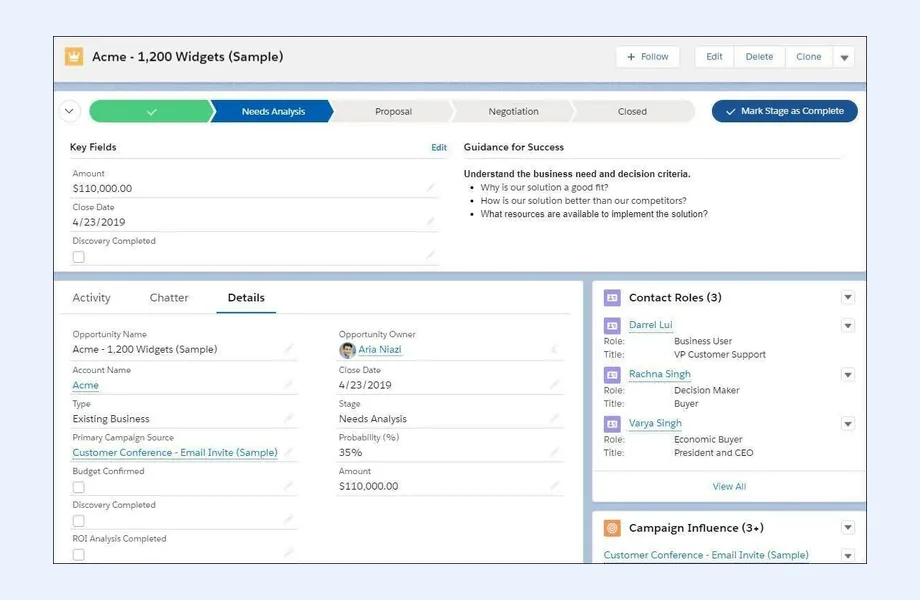
Regional lead generation breaks down most often after the lead arrives. An inquiry from an Indonesian subsidiary of a Singapore-headquartered group might belong to the Jakarta country manager, the Singapore key account owner or a local distributor. If the rule is unclear, either nobody follows up or two people do, and the buyer notices both.
I design the handoff with your sales leadership:
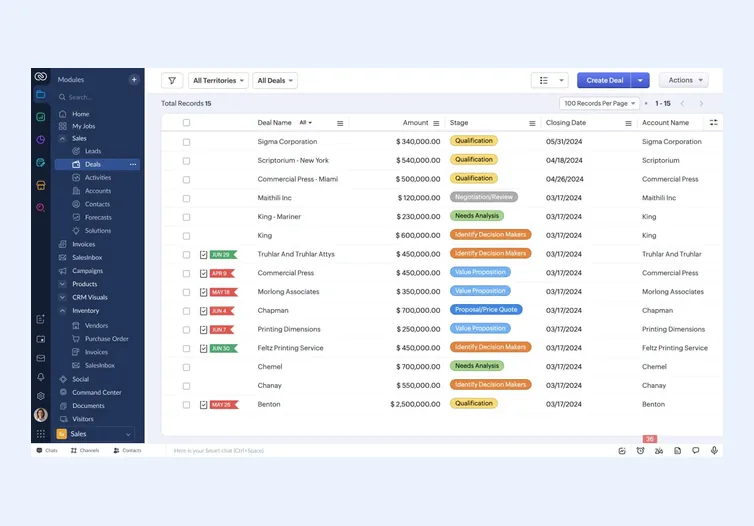
Regional deals often involve several entities and currencies, which my CRM consulting in Singapore covers in more depth. On this page the aim is narrower: making sure leads from every channel arrive in the right pipeline, with their source intact, and are acted on quickly.
For paid search inside this mix, see my Google Ads work for Singapore, and for LinkedIn campaigns, LinkedIn Ads management.
Activity metrics are easy to collect and easy to misread. Connection requests accepted, impressions, event badge scans and email opens say little about whether the region is producing business. I build reporting around the stages your regional sales leader cares about:
For these figures to mean anything, source, campaign and market must be captured when a lead enters the CRM and kept as it moves into an opportunity. Fields, naming conventions and dashboards are set up once, then walked through with sales and marketing leads in a recurring regional review.
I never promise lead volumes. Results depend on your offer, deal size, market maturity and how quickly sellers respond. The outcome I work toward is clarity: which markets and channels are building pipeline and where effort should move next. The general method is described under B2B lead generation, and the Singapore hub gathers my other remote services for Singapore firms.

Tell me about your business and current systems. I’ll suggest the most sensible first step.
Book a Consultation
Not sure which ERP you need?
Share your business requirements with me and I will help you understand the right process, architecture and platform before implementation.
FAQ
Usually a focused start works better. I help you rank markets by deal value, competition, language and how well you can serve buyers there, then begin with Singapore and a small number of priority countries. Once tracking shows which bring qualified opportunities, the plan expands with evidence rather than guesswork.
They can. Do Not Call provisions cover marketing messages sent by call, SMS or fax to Singapore numbers, and business contacts may be covered depending on the number and message. Your process should include registry checks and consent records where relevant. Please confirm the specifics with your data protection advisor.
Often, for reaching regional managers and functional heads at larger firms, and for warming target accounts before sales calls. It suits higher-value offers more than low-ticket ones. I assess audience size and deal value first, and coordinate LinkedIn with sales outreach so the two support each other.
I agree simple rules with you and the distributor: which leads they receive, how quickly they respond, how outcomes are reported and when a lead returns to you. Those rules are built into the CRM so partner leads stay visible and comparable with direct ones.
No. Volume depends on your markets, offer, budget and follow-up speed, and anyone promising a fixed number is guessing. What I deliver is a process that shows qualified leads, opportunities and closed business per market and source, so you can see what works and invest accordingly.
Every business is different. Share where you are today and what you want to fix, and I’ll tell you honestly whether and how I can help.
Book a Consultation
Insights
 Book a Consultation
Book a consultation to talk through your processes, systems and goals. I’ll reply with practical next steps - no obligation.