Contact Info
 Odoo MRP, Philippines
Can Odoo Manufacturing run a Philippine food or electronics plant?
Odoo Manufacturing can run a Philippine food processor or electronics assembler when recipes or bills of materials are clean, lots or serials are tracked where customers demand it, materials owned by a foreign principal are kept out of your stock value, and costing reflects imported components in pesos. Quality, PLM and shop floor tools may need Enterprise. I check fit remotely and say when a specialist MES or process ERP suits better.
Last reviewed by Vikas Saroj
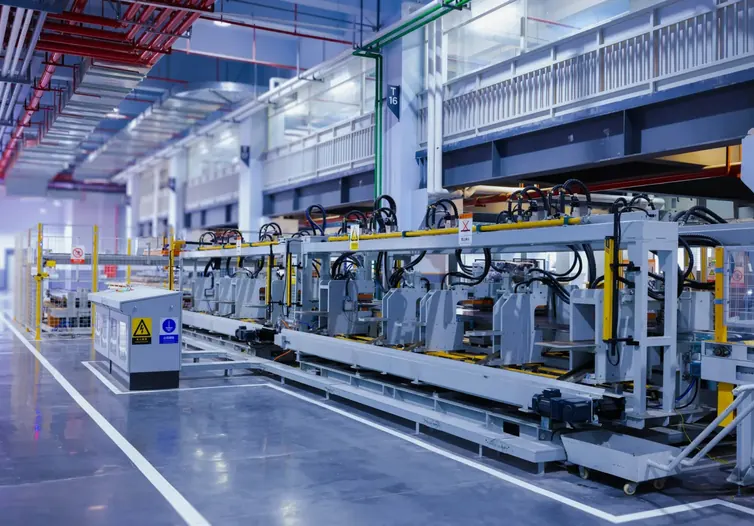
Philippine manufacturing covers very different floors: a snack or condiment maker running batches with shelf life, a fruit processor working with seasonal supply, and an electronics or wiring assembler inside an economic zone building to a foreign customer's specification, often with materials that customer owns.
Odoo Manufacturing can serve each of them, but the setup differs sharply. A food plant needs recipes, yields and lot release. An assembler needs serials, revision control and a clean separation between its own stock and consigned parts.
I work remotely with plant managers, planners and finance as an independent consultant, before and during implementation.
 What I Do
The six areas below decide whether production data in Odoo is something supervisors trust or something they work around.

Food recipes with expected yields, by-products and packaging levels, and electronics BoMs with sub-assemblies and alternate parts, each with a named owner for changes.

Components supplied by a foreign customer for toll or contract assembly held under that owner, consumed on orders and reported back, without inflating your own stock value.

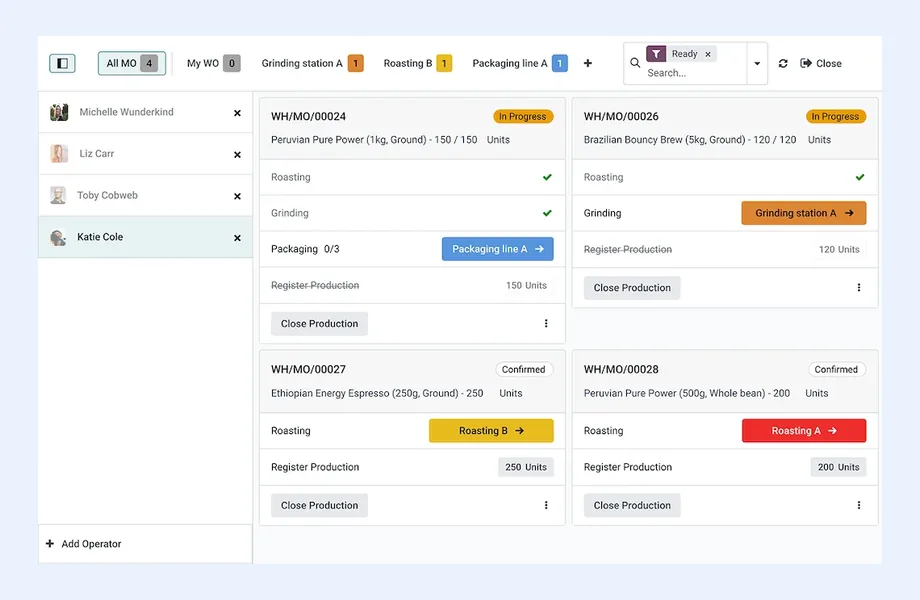
Lines, cells and manual stations defined with realistic capacity and shift patterns, so planned dates reflect what the floor can really do, including changeover time.

Incoming inspection, in-process checks and final release modeled as quality points where your edition allows, with failed checks raising alerts and holding lots.

Lot tracking from raw material to finished batch for food, and serial tracking per unit for assemblies, tested with a mock recall or customer return before go-live.

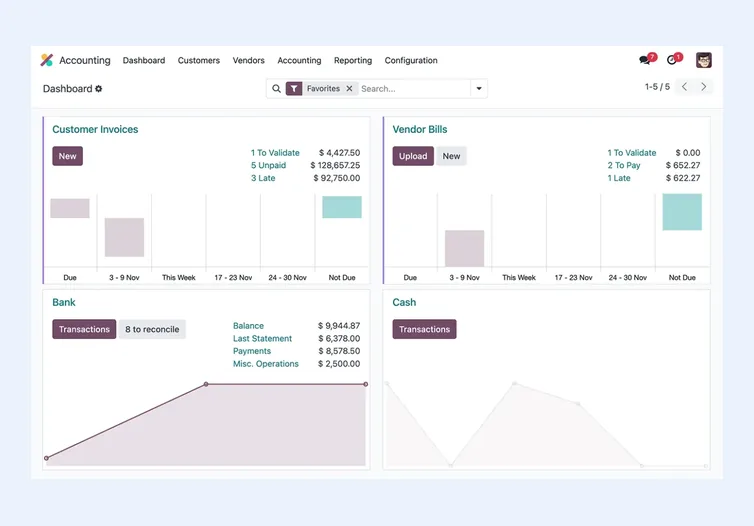
A costing approach agreed with finance, covering imported components bought in dollars, labor and overhead on work centers, and how variances are reviewed each month.
How I Work
Remote walkthrough of each line
 Line and shift review
Recipe and BoM samples
Principal material flows
Customer traceability demands
Costing policy agreed
Line and shift review
Recipe and BoM samples
Principal material flows
Customer traceability demands
Costing policy agreed
One product family end to end
Pilot BoMs and routings
Quality points configured
Mock recall exercise
Trial cost roll
More lines, fewer side lists
Remaining families loaded
Supervisor training sessions
Variance review routine
Open issues tracked
Philippine food processors, from snack and noodle makers to sauce, dried fruit and frozen goods producers, share a few needs that shape the Odoo setup. Production runs in batches, raw materials vary in quality, and finished goods carry an expiry date that retailers and exporters check.
In Odoo I usually model this with:
Where products go to export buyers, they may expect documented traceability and food safety records. Odoo holds the production and lot data; certification schemes and regulatory registrations stay with your quality team and the relevant agencies. Weight-based selling, where each case has a different weight, is not handled natively in Odoo and needs a module or a scale integration, which I flag early. Broader patterns are on the food and beverage industry page.
Electronics, wiring harness and component assemblers, many of them in economic zones, often build to a foreign customer's design and sometimes with that customer's materials. That second point is where generic Odoo setups go wrong.
When the principal owns the components, the stock must sit in your warehouse without being valued in your books. Odoo lets stock be recorded with an owner other than your company, and I design receipts, consumption on manufacturing orders and returns around that. The questions I work through with your planner and finance team:
Economic zone registrations bring customs and reporting duties of their own. Those belong to your customs broker and compliance staff; Odoo can supply the movement data they need if the locations and documents are designed for it. For the inventory side of imports, see my Odoo Inventory Philippines page.
Odoo plans work at work centers: a mixing kettle, a packing line, an SMT line, a manual assembly bench. Each carries capacity, working hours and optionally a cost per hour. Routings list the operations an order passes through. I keep routings only as detailed as supervisors will actually record, because a routing nobody updates gives worse planning than none.
Edition matters here. In recent versions, several manufacturing features have been tied to Enterprise, and I confirm each one for your version with Odoo or your partner:
Community still covers bills of materials, manufacturing orders and basic planning, and some gaps can be filled with third-party modules, each one something to maintain through upgrades. Shop floor tablets need dependable Wi-Fi on the floor; I check that early, along with what operators should do during brownouts or connection drops. The Odoo Manufacturing product page describes the features in general terms.
Many Philippine plants buy key components or packaging abroad in US dollars, yen or yuan, while selling locally in pesos or exporting in dollars. That makes product costing sensitive to exchange rates and to how landed costs are captured.
Decisions I work through with your finance lead:
Toll and contract assemblers often care less about material cost, since the principal owns it, and more about conversion cost per unit and how it compares with the processing fee. Odoo can report that if labor and overhead are captured on orders. Tax treatment of imports and of sales from economic zones is for your advisor; the ledger setup is covered on my Odoo Accounting Philippines page.
Odoo Manufacturing suits discrete and simple batch production well. I advise a closer look at alternatives in these Philippine situations:
None of this means Odoo is wrong for the whole business; often Odoo runs finance, purchasing and inventory while a specialist system runs the line. I lay these options out without a sales interest, since nothing I earn depends on Odoo licenses. For the wider comparison see ERPNext vs Odoo Manufacturing, the Odoo consultant Philippines page and the Philippines ERP consultant page.

Tell me about your business and current systems. I’ll suggest the most sensible first step.
Book a Consultation
Not sure which ERP you need?
Share your business requirements with me and I will help you understand the right process, architecture and platform before implementation.
FAQ
Odoo can record stock with an owner other than your company, so consigned components sit in your warehouse without adding to your stock value. I design how they are received, consumed on manufacturing orders and reported back, and test scrap and returns before go-live.
In recent versions, quality control, PLM, maintenance and the shop floor interface have been Enterprise features, while Community covers bills of materials and manufacturing orders. Editions change, so I confirm the exact list for your target version with Odoo or your partner.
For batch producers with recipes, lots and expiry it can be, provided yields are recorded honestly and lot tracking is limited to what traceability really needs. Catch weight and complex formulation are gaps to plan for. I test one product family end to end before you commit.
The work is remote: walkthroughs by video, document reviews and online workshops with your planner, supervisors and finance team. Site visits are possible only by arrangement. The engagement runs in English, with any local-language labels checked by your own staff.
Every business is different. Share where you are today and what you want to fix, and I’ll tell you honestly whether and how I can help.
Book a Consultation
Insights
 Book a Consultation
Book a consultation to talk through your processes, systems and goals. I’ll reply with practical next steps - no obligation.