Contact Info

 Philippines
What does a CRM consultant do for a Philippine company?
A CRM consultant designs how inquiries, deals and accounts should be handled, then helps you pick and roll out a CRM that supports that design. For Philippine companies this often means pipelines for brokers, dealers and direct buyers, fast routing of chat and social inquiries, Data Privacy Act consent records, and won deals that pass cleanly to your registered accounting system. I work remotely and take no vendor commissions.
Last reviewed by Vikas Saroj
Philippine buyers often make first contact through a chat message, a social media post or a referral from a broker or dealer rather than a web form. Those inquiries land on many phones across many islands, and the follow-up depends on whoever saw them first. Management sees the result in sales figures but not the pipeline that produced them.
I help Philippine companies design a CRM around that reality: how inquiries are captured and assigned, how brokers, dealers and in-house sellers are credited, which stages mean something, and what passes to finance when a deal closes. Then I compare CRM options or improve the one in place. Sessions are remote and run in English, with any Filipino-language material written or checked by your team.
I am not paid by any CRM vendor or implementer.
 What I Do
The aim is a CRM that captures every inquiry, credits the right seller and gives finance what it needs.

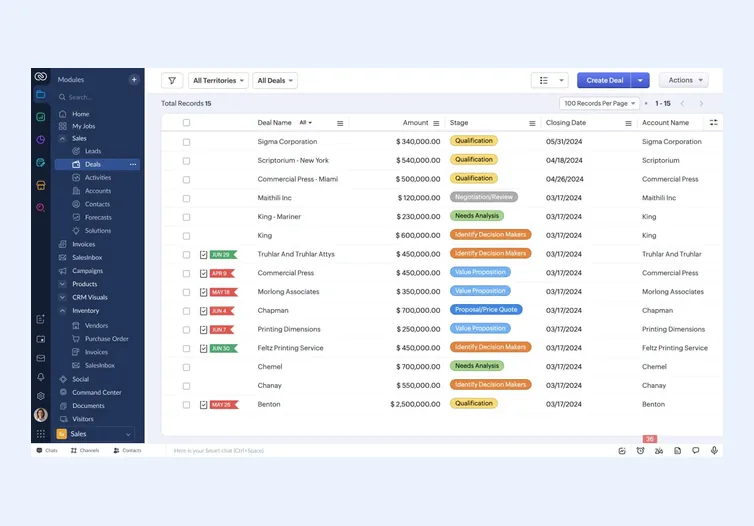
Ways to bring inquiries from chat apps, social pages, web forms, calls and walk-ins into one queue, with the source recorded and duplicates matched on mobile number or email before anyone follows up.

Separate tracking for sales brought in by brokers, dealers and sub-agents, with a record of who introduced each buyer, so credit and commission disputes are settled by the data rather than by argument.

Assignment rules by island, region, branch or product, plus escalation when an inquiry goes unanswered, so a lead in a provincial branch gets the same attention as one at head office.

Fields and workflows for consent, purpose and withdrawal, access limited by role and retention rules, designed with the Data Privacy Act in mind and confirmed with your data protection officer or counsel.

The customer and deal data that must reach your registered accounting system, such as registered name, TIN and address, with quotations and proformas kept clearly distinct from the invoices that system issues.

A comparison of Salesforce, HubSpot, Odoo CRM, Zoho CRM or other options against your design, looking at chat integration, mobile use, broker access, reporting and cost drivers.
How I Work
Follow inquiries to closed sales
 Review chat, call and form sources
Interview sellers, coordinators and finance
Trace one deal to invoice
List current privacy practices
Review chat, call and form sources
Interview sellers, coordinators and finance
Trace one deal to invoice
List current privacy practices
Design records and rules
Define pipelines per sales route
Set assignment and escalation rules
Specify consent and access fields
Agree the finance handoff data
Select, pilot and refine
Score CRM options neutrally
Guide setup and data import
Pilot with one branch
Refine from usage reviews
A CRM design starts with how the business actually wins customers, and in the Philippines that differs a great deal by sector.
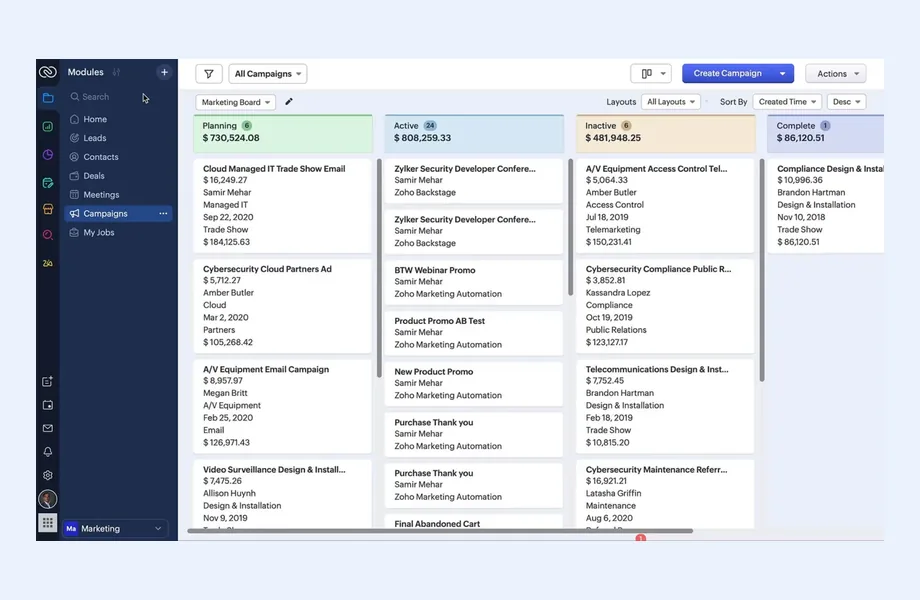
For each route, I document where inquiries come from, who responds, what has to happen before a sale is real and what finance needs at the end. That produces a short set of pipelines, where a deal only advances when the buyer acts, for example by submitting documents or paying a reservation fee, not when a seller feels confident.
Shared accounts and contacts sit across all of them, so a buyer who inquires twice through different brokers is recognized as the same person. The method follows my CRM consulting approach, applied to Philippine sales structures.
Many Philippine companies receive most of their inquiries through chat apps and social media pages. Those channels are fast and familiar for buyers, but they scatter leads across personal accounts and shared logins, and nobody can tell how many inquiries went unanswered last week.
The CRM design covers three things. First, capture: which channels can be connected to the CRM directly, which need a connector, and which will rely on a quick manual entry by the person who received the message. I compare options on cost, reliability and how much each depends on a single platform's rules. Second, assignment: inquiries are routed by island, region, branch, product or language preference, with a clear owner and an escalation if nobody responds within the agreed time. Third, identity: since many inquiries arrive with only a name and a mobile number, matching rules use the number and email to recognize returning prospects.
Source tracking matters here too. When every lead carries its channel and campaign, you can compare social, search, referral and broker channels on closed sales rather than on message counts, which is where CRM design meets paid marketing and lead generation. Without it, marketing budgets follow whichever channel looks busiest, which is rarely the one that produces revenue.
The Data Privacy Act sets rules for how personal information is collected, used, shared and kept, and the National Privacy Commission issues guidance on applying them. A CRM holds exactly that kind of information, often for prospects who never become customers, so its design matters.
The CRM design I prepare usually provides for:
Chat conversations raise a specific question: a friendly reply on a messaging app is not necessarily a recorded consent for marketing. Your counsel or data protection officer decides what counts, and whether registration or other obligations with the Commission apply to your organization. I also ask CRM vendors where data is hosted, because transfers outside the country carry their own considerations. My part is building a system that records and enforces whatever your advisors decide.
In the Philippines, invoices are issued from an accounting system that is subject to BIR rules, and many companies have registered that system as a computerized accounting system. The CRM should not compete with it. A quotation or proforma generated by the CRM must never be mistaken for a sales invoice, so I recommend document titles, numbering and wording that keep them clearly separate, checked by your accountant.
The handoff design answers practical questions with sales and finance together:
Branch invoice series, books of accounts and tax treatment belong in the registered accounting system and with your accountant. The CRM's job is to hand over complete, approved orders. The systems side of these links, including bank and payment channels, is what I cover as an integration consultant for Philippine businesses.
I compare CRM options against the design we write together, not against vendor brochures. The shortlist might include Zoho CRM, HubSpot, Salesforce, Odoo CRM if Odoo is the likely ERP, or the sales features of a system you already own.
Philippine criteria often include how well the mobile app works for sellers who live on their phones and move between areas with uneven signal, chat channel integration, whether brokers and dealers can be given limited access at a sensible cost, how the CRM passes orders to your registered accounting system, local implementer support and where data is hosted.
Adoption is designed alongside the configuration. Sellers are measured on speed of response and conversion, so the CRM should make those easier, not add paperwork. I keep required fields to the minimum, automate reminders and handoffs, and set up the dashboards that sales heads review weekly: inquiries by source, response times, pipeline by stage and conversions by broker or branch. Rollout starts with one branch or team, and the setup is refined before others join.
All work is remote, scheduled in hours that overlap with Philippine business days. For other support, see the Philippines hub and my ERP consulting work in the Philippines.

Tell me about your business and current systems. I’ll suggest the most sensible first step.
Book a Consultation
Not sure which ERP you need?
Share your business requirements with me and I will help you understand the right process, architecture and platform before implementation.
FAQ
They can. Some companies give brokers a restricted view of their own buyers; others prefer a buyer registration form that brokers submit and a coordinator approves. Restricted views cost more in licenses and need tighter data controls, while forms keep the CRM in-house. In both cases the introducing broker is stamped on the buyer record, which is what settles commission questions.
Not necessarily. Whether a particular interaction amounts to valid consent is a question for your counsel or data protection officer. What I do is make sure the CRM records how and when consent was given, what it covered and whether it was withdrawn, so their decision can be applied consistently.
I advise against it. Invoices should come from your registered accounting system, which is subject to BIR rules. The CRM can produce quotations and proformas that are clearly labeled as such and pass approved orders to the accounting system. Your accountant should confirm document wording and numbering.
Yes, and it usually should, so management sees one pipeline and returning buyers are recognized. The design adds assignment rules by island and branch, access limits so branches see their own customers, and reports that compare performance across areas without exposing every record to everyone.
Yes. Branch sellers and brokers' coordinators join short online sessions, so the design reflects how inquiries are actually handled outside head office. Everything is delivered remotely and runs in English; if sellers want guides in Filipino or another local language, your team writes or checks them.
Every business is different. Share where you are today and what you want to fix, and I’ll tell you honestly whether and how I can help.
Book a Consultation
Insights
 Book a Consultation
Book a consultation to talk through your processes, systems and goals. I’ll reply with practical next steps - no obligation.