Contact Info

 Seattle
Why might a Seattle business hire an ERP consultant?
An ERP consultant helps a Seattle business match its system to the way it actually earns money, whether that is machining parts for aircraft programs, selling through online marketplaces, processing seafood or servicing vessels. I document those processes, test platforms against them and oversee the implementer so the result fits. The work is remote, with Pacific afternoon overlap, and site visits happen only by arrangement.
Last reviewed by Vikas Saroj
I work remotely with businesses in Seattle and the Puget Sound region: aerospace and precision manufacturing suppliers, brands that sell mainly through online marketplaces, seafood and food processors, maritime and shipyard service firms, and the software companies that cluster around the city. A visit for a kickoff or walk-through can be planned by arrangement.
Seattle has a strong engineering culture, and many owners I speak with already know what good data looks like. Their frustration is usually that the systems they have grew up piecemeal. I help them step back, describe the business as it really runs, and choose a platform that fits that description instead of the other way round.
 What I Do
The region's mix of aerospace, online retail, fisheries and maritime trade produces some distinctive system needs. These are the ones I work on with Seattle-area firms.

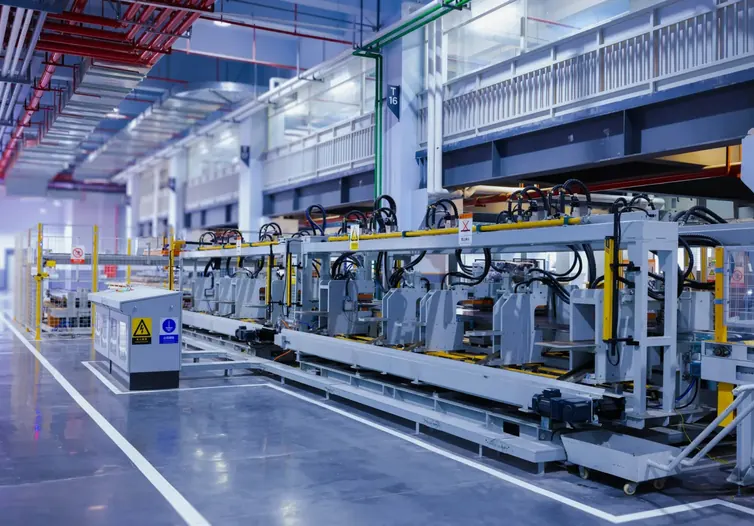
Machine shops and component makers serving aircraft programs need material certificates, first article records, revision control and lot or serial history. I write these requirements and test them in platform demos.

For brands selling through online marketplaces and their own store, I scope inventory held in fulfillment networks, settlement reconciliation, fees and reimbursements so finance can see real margin by product.

Processors need catch or supplier lots, yields, grades, catch weights and frozen stock by location. I map those flows and specify which records the ERP keeps so tracing and costing both work.

Shipyards, repair yards and marine suppliers run job-based work on customer vessels. I define estimating, job costing, parts consumption and progress billing so each repair shows its true result.

Software firms need billing, revenue schedules, spend control and several entities without adding finance staff. I design the structure and the integrations that keep the ledger accurate.

Your requirements become a weighted scorecard; vendors then demonstrate against scripts built on your own items and orders, and give a written recommendation that names the risks of each option.
My Consulting Journey
Business first, technology second. You can hire me for one step - a BRD, a gap analysis, a vendor shortlist - or for the whole journey.
How I Work
Learn how the business runs
 Follow one order end to end
Video tour of floor or dock
Catalog current tools and data
Agree the biggest pain points
Follow one order end to end
Video tour of floor or dock
Catalog current tools and data
Agree the biggest pain points
Match requirements to a platform
Write requirements by process
Score shortlisted platforms
Script demos with real items
Set integration boundaries
Keep the build on course
Review configuration decisions
Lead acceptance testing
Validate migrated stock records
Support early live operations
Seattle's economy is often described through its large technology and online retail employers, but the region rests on several other pillars. Aircraft manufacturing in the Puget Sound area supports a wide network of machine shops, composite specialists and component suppliers. The ports of Seattle and Tacoma move containers across the Pacific, and the city is a home base for much of the fishing fleet that works in Alaskan waters. Coffee roasters, food producers and outdoor brands add a consumer layer.
Each pillar asks something different of an ERP. Aerospace suppliers need strict traceability and revision control. Marketplace sellers need inventory and settlement data from platforms they do not control. Seafood processors need lot, yield and frozen storage tracking. Maritime firms need job costing for repair and outfitting work. Software companies need billing and revenue structures.
For tax and general US accounting topics, please see the US ERP consultant page. Washington has its own state tax features, such as a gross receipts business tax alongside sales tax, so ask your tax advisor how they apply to you; the design then records whatever detail they require.
Suppliers to aircraft programs work under customer quality requirements that flow down through every purchase order. A small machine shop may need to keep material certificates for each bar of metal, record first article inspections, control drawing revisions, and link every shipped part back to its raw material lot and the operations performed on it.
Many of these shops run an older job shop package or an accounting system with paper travelers on the floor. When they look for a new ERP, the risk is choosing on price and accounting features and discovering later that traceability is weak. I prevent that by writing the quality-driven requirements first and asking each vendor to prove them with your own part numbers and a real routing.
Other topics I cover include outside processing for plating, heat treatment and finishing, capacity planning for long-cycle parts, and the documentation customers expect at shipment. Quality system certification and customer approvals are matters for your quality manager; my role is the system design that supports them. See the manufacturing ERP page and job costing for related detail.
Seattle is home to a community of brands, agencies and service firms built around selling on online marketplaces. A typical seller holds stock in its own warehouse, at a third-party warehouse and inside a marketplace fulfillment network, and also sells through its own web store and to a few retailers.
The finance problem is reconciliation. Marketplace settlements combine sales, refunds, fees, advertising charges and reimbursements in one payout. Inventory moves between locations without a purchase or sale. Without a structured process, margin by product is guesswork and stock counts drift.
I design the flow from marketplace reports into the ERP, decide which connector or middleware handles it, and set rules for fees, returns and inventory transfers. I also look at purchasing from overseas manufacturers, landed cost and the forecast that drives reorders. Because I also work on growth and paid media, I can link advertising spend to product margin so the business sees which products earn money after all costs. My ecommerce ERP page describes this approach further.
The waterfront economy around Seattle includes fishing companies, seafood processors, cold storage operators, shipyards and marine equipment suppliers. Their operations are seasonal and physical, and their systems often lag behind.
For seafood businesses I map the path from catch or supplier delivery to processing, grading, freezing, storage and sale. Requirements usually include lot traceability, yields by species and product form, catch weight pricing, inventory in cold storage at several locations, and export documents. Food safety and fisheries obligations are settled by your compliance staff, and the design stores the evidence they request.
For maritime service firms the core is job costing. A repair or refit job collects labor, parts, subcontractors and equipment time, and is often billed in stages with change orders along the way. I define estimating, job budgets, change order control and progress billing so each vessel's job can be measured properly. The food and beverage ERP page covers the processing side in more depth, and solution design covers how I turn these needs into a build plan.
Seattle is on Pacific time, which means late afternoon in the city falls in the early morning in India. I use that overlap for interviews, workshops, demos and steering meetings. Seattle teams are often comfortable with written collaboration, so much of the coordination happens in shared documents and comments rather than meetings.
Outside the overlap I prepare and review. By the time Seattle wakes up, revised process maps, requirement changes and demo scripts are in the shared folder. For a shop floor or dock review, a supervisor carries a phone on a video call and I steer the tour toward receiving, inspection and shipping.
Across cutover and the early live period, I stretch my hours to cover more of the Seattle working day. Travel for a kickoff or training day is possible by arrangement. Nearby, you may also want ERP consulting in San Francisco, Vancouver just across the border and the USA overview. You can also send a short note about your situation.

Tell me about your business and current systems. I’ll suggest the most sensible first step.
Book a Consultation
Not sure which ERP you need?
Share your business requirements with me and I will help you understand the right process, architecture and platform before implementation.
FAQ
No. Seattle-area companies work with me remotely: calls on video, documents in a shared space and decisions written down as they are made. If a kickoff, floor walk-through or training day truly needs me there, we plan it by arrangement; everything else happens online.
Many can, but the depth varies. I ask vendors to show a real part moving from raw material receipt with its certificate, through each operation and outside process, to shipment with the right documents. Gaps found in that test shape the shortlist before you sign anything.
I break each payout into sales, refunds, fees, advertising and reimbursements, then design how each type posts to the ledger and how inventory movements are recorded. A connector usually brings the data in, and I specify the mapping rules it must follow so finance can trust the result.
Late afternoon in Seattle falls in the early morning in India, which gives a regular window for live meetings. Everything else, such as documents and reviews, is prepared outside that window so your team has updates to react to at the start of each day.
Every business is different. Share where you are today and what you want to fix, and I’ll tell you honestly whether and how I can help.
Book a Consultation
Insights
 Book a Consultation
Book a consultation to talk through your processes, systems and goals. I’ll reply with practical next steps - no obligation.