Contact Info
 Chicago
How can an ERP consultant help a Chicago company?
A Chicago ERP consultant turns the way your plant, warehouse or trading desk actually runs into clear system requirements, then helps you pick a platform and keeps the rollout on track. Here that often means production planning for Midwest manufacturers, lot tracing for food processors, and freight and dock control for distributors using the region's rail and highway network. I work remotely, visiting only by arrangement.
Last reviewed by Vikas Saroj
I work remotely with businesses in Chicago and the suburbs and industrial corridors around it: metal fabricators and machine shops, food and ingredient processors, wholesale distributors, freight and logistics operators, and the professional and trading firms of the Loop. In-person workshops are possible by arrangement. Most of the people I speak with are owners, controllers and operations managers who have outgrown entry-level accounting software.
Chicago companies tend to be practical about technology. They want a system that reflects how orders arrive, how product is made or picked, and how freight leaves the dock, rather than a long list of features nobody uses. So I begin by tracing one real order from quote to cash, with the people who touch it, before any vendor is invited to present.
 What I Do
Plants, food processors, distributors and freight operators each stress an ERP in different places. These are the requests I hear most from the region.
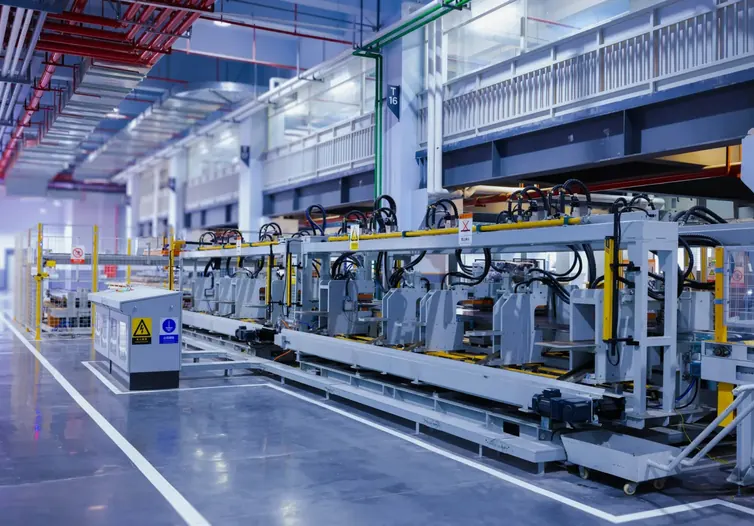
For fabricators, machine shops and contract manufacturers, I define routings, work centers, material planning and job costing so quotes, schedules and actual costs come from the same data instead of separate spreadsheets.

Ingredient processors, bakeries and meat or dairy plants need lot tracking from receipt to shipment, allergen segregation, yield tracking and recall readiness. I write these rules down and test them in demos with your real recipes.

For wholesale distributors with several warehouses across the metro area and the Midwest, I scope replenishment, pick-pack-ship, route deliveries and customer pricing agreements so branches share one stock picture and one price logic.

Trucking, brokerage and third-party logistics firms need loads, rates, accessorial charges and carrier settlements to reach billing and accounting intact. I map that flow and decide what belongs in the transportation system versus the ERP.

When grain, metals, resin or energy prices move, margins move with them. I design costing and pricing rules that update standard costs sensibly and show how input price changes affect each product line.

Before you sign, I score shortlisted platforms on the processes that matter most to your plant or warehouse, run scripted demonstrations with your data, and give you a written recommendation with the tradeoffs spelled out.
My Consulting Journey
Business first, technology second. You can hire me for one step - a BRD, a gap analysis, a vendor shortlist - or for the whole journey.
How I Work
Follow real orders end to end
 Trace quote to cash
Review floor and dock routines
Inventory current systems
Rank problems by business impact
Trace quote to cash
Review floor and dock routines
Inventory current systems
Rank problems by business impact
Turn findings into a buying brief
Write requirements by department
Script demos with your data
Score platforms on fit
Design costing and stock rules
Stay involved through stabilization
Track implementer progress
Lead user acceptance testing
Check opening stock and balances
Support the first month-end
Chicago grew as a place where goods change hands and change form, and that still shows in the businesses I meet. The metro area holds a broad manufacturing base, from metal fabrication, machinery and plastics to packaging and printing. Food and ingredient processing is a major employer, with plants supplying grocers, restaurants and other manufacturers. Freight railroads converge on the city, intermodal yards and warehouses spread along the interstates to the south and west, and O'Hare is an important air cargo gateway. Downtown, futures and commodities trading firms, banks and consultancies add a strong financial and professional services layer.
For ERP selection, this means the decisive questions are usually operational. Can the system plan production against real capacity? Can it trace a lot of flour or a coil of steel through every product it touched? Can it show freight cost on the order that caused it? Accounting features matter, but in my view the plant floor and the dock are where a Chicago project is won or lost.
Sales tax across states and federal reporting are covered on my US ERP consultant page, so the rest of this page stays with what sets Chicago and its surrounding region apart.
Many manufacturers in the region are family-owned or investor-backed, run job shops or make-to-order lines, and depend on process knowledge held by a handful of long-serving supervisors. Their first ERP, if they have one, was often chosen for accounting and then stretched to cover production with spreadsheets and whiteboards.
I start by classifying how each product line is made: engineered to order, made to order, made to stock, or a mix. That choice drives everything else, from how bills of materials and routings are structured to how capacity is planned and jobs are costed. A machine shop quoting custom parts needs estimating linked to routings and actual hours. A plastics or packaging plant running repeat orders needs material planning, scheduling by machine and scrap reporting. Plants that supply automotive, agricultural or industrial equipment customers often receive forecasts and releases electronically, which adds EDI and label requirements.
I document all of this using my manufacturing ERP approach and test candidate platforms against your own parts and routings. Shop floor data capture, barcode labels and machine-level reporting are scoped early, because they decide whether actual costs will ever be trustworthy.
Food plants around Chicago range from bakeries and confectioners to meat, dairy, spice and ingredient processors. Their ERP has a harder job than most, because it must answer quickly and accurately which finished lots used a given ingredient lot and where those lots were shipped. Grocers and food service customers expect that answer during an audit or a recall, and food safety rules require traceability records for many products. Confirm exactly what applies to you with your food safety team.
Beyond tracing, requirements usually include recipe and formula management with scaling, catch weight for products sold by actual weight, yield and giveaway tracking, allergen sequencing in production schedules, shelf-life dates and first-expired-first-out picking. Retail customers add labeling rules, EDI orders and deductions.
I write these needs using my food and beverage ERP framework and run a mock recall during vendor demos: pick an ingredient lot and ask the system to show every affected customer. It is a simple test, and it separates systems that genuinely track lots from systems that only record them.
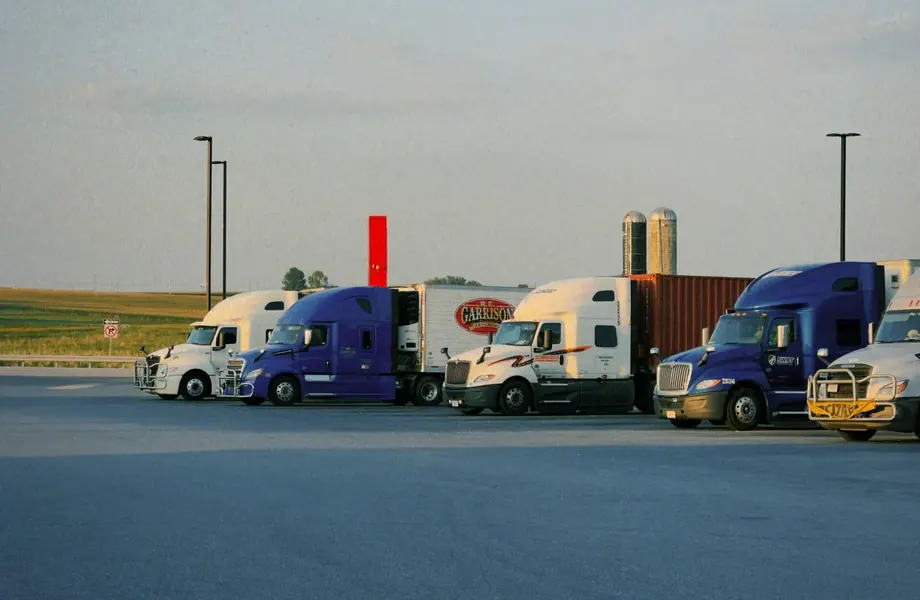
Chicago's position at the center of the national rail and highway network makes it a natural base for distributors and logistics companies. A wholesale distributor here may run warehouses across Illinois, Indiana and Wisconsin, ship by its own trucks and by carriers, and receive containers that arrive by rail from coastal ports. A third-party logistics provider may store and handle goods for many clients at once, billing each for storage, handling and value-added services.
These businesses need a system that knows where stock is by location and bin, plans replenishment between branches, and captures freight costs accurately. For logistics providers the billing model is the hard part: storage by pallet or space, handling per transaction, and accessorial charges that are easy to forget. I map those charges explicitly so nothing billable stays in a driver's notes.
I use my distribution ERP requirements as a starting point and plan links with transportation management, carrier portals, EDI and handheld scanning through ERP integration work. Commodity and trading firms get the same boundary treatment: the ERP owns the books and payables, while specialist trading platforms keep the positions and risk.
Chicago runs on Central time and I work from India, so the start of your working day lines up with my evening. That early window is where live work happens: process interviews with supervisors, scripted vendor demos and decision meetings with owners. Plant and warehouse teams often start early anyway, which suits the arrangement.
Outside that window I work on deliverables. While Chicago sleeps, I update process maps, draft requirement sections, review configuration notes from the implementer and prepare test scripts, so your team begins the next day with something concrete to react to. Floor walk-throughs can be done over video with a phone, following a short checklist of what I need to see at receiving, production and shipping.
Through cutover and the early weeks on the new system, I extend my hours into your day so problems with picking, production reporting or invoicing are handled quickly. If a session on site would help, such as a kickoff with supervisors, it can be planned ahead by arrangement. For everything I offer American companies, see the USA page, or describe your situation and I will suggest where to start.

Tell me about your business and current systems. I’ll suggest the most sensible first step.
Book a Consultation
Not sure which ERP you need?
Share your business requirements with me and I will help you understand the right process, architecture and platform before implementation.
FAQ
No. I am an independent consultant based in India and I work with Chicago companies remotely, through video sessions, shared documents and a running decision log. A visit for a kickoff or a plant walk-through can be arranged ahead of time if it adds real value, but the engagement is designed to run well without one.
Yes. For job shops I focus on the link between estimating, routings, scheduling and actual job costs, so you can compare what a job was quoted at with what it really consumed. I check whether each shortlisted platform handles one-off parts, outside processing and partial shipments without heavy customization.
I ask each vendor to load a small set of your real ingredients, recipes and lots, then run a mock recall in the demo. The system should show, without manual work, which finished lots used a given ingredient lot and which customers received them, along with allergen and shelf-life details.
Often both. A warehouse management system usually runs the floor better, while the ERP handles client billing, payables and accounting. The key design work is capturing every billable storage, handling and accessorial event in the warehouse system and passing it to invoicing reliably. I help decide the split and plan the connection.
Early in your working day, which falls in my evening. That slot is reserved for workshops, demos and decisions. Documentation, reviews and test preparation happen outside it, so your team rarely waits on me. Around go-live I shift my hours to cover more of the Chicago day.
Every business is different. Share where you are today and what you want to fix, and I’ll tell you honestly whether and how I can help.
Book a Consultation
Insights
 Book a Consultation
Book a consultation to talk through your processes, systems and goals. I’ll reply with practical next steps - no obligation.