Contact Info
 Los Angeles
How does an ERP consultant help a Los Angeles business?
For a Los Angeles company, an ERP consultant works out how containers, garments, productions or machined parts actually flow through the business, then turns that into requirements a platform has to meet. Typical topics are landed cost on imports through the San Pedro Bay ports, style and size inventory for apparel brands, cost tracking per production, and quality records for aerospace work. I deliver this remotely, with visits only by arrangement.
Last reviewed by Vikas Saroj
I work remotely with businesses in Los Angeles and the wider Southern California basin: importers whose freight lands at the ports of Los Angeles and Long Beach, apparel and consumer goods brands, entertainment and media companies, and machine shops and assemblers supplying the aerospace and defense sector. When a face-to-face workshop is worth it, we plan it by arrangement.
What these businesses have in common is that a lot of value moves between parties before it reaches a customer. A container passes through a customs broker, a drayage carrier and a warehouse in the Inland Empire. A garment passes through a cutter, a sewing contractor and a finisher. I begin by drawing that chain, because the ERP has to record every handoff that costs money.
 What I Do
Southern California mixes import trade, brand building, studio work and precision manufacturing. Each one tests an ERP in a different spot, so I scope the work around the one that matters most to you.

I design how ocean freight, duties, broker fees, drayage, demurrage and warehouse charges are captured against each shipment and spread across items, so margin reports reflect what goods really cost to land in California.

For fashion, beauty and lifestyle brands, I scope style, color and size matrices, seasonal collections, wholesale and direct-to-consumer channels, and returns handling, so stock and sales live in one model.

Cut-and-sew contractors, printers and co-packers hold your materials. I define how materials issued to outside vendors, their work orders and their charges are tracked so nothing goes missing between processes.

Production and post-production firms often run each project as its own cost center or entity. I separate what belongs in specialist production accounting tools from what belongs in the company-level ERP.

Machine shops and assemblers serving aircraft and defense primes need traceable materials, certifications, revision-controlled routings and inspection records. I write those as testable requirements before any vendor demo.

I compare shortlisted platforms on your own shipments, styles or parts, run scripted demonstrations, and give you a written recommendation that names the tradeoffs rather than a sales pitch.
My Consulting Journey
Business first, technology second. You can hire me for one step - a BRD, a gap analysis, a vendor shortlist - or for the whole journey.
How I Work
Follow goods and money between parties
 Map supplier and contractor handoffs
List every cost on a shipment
Review current tools and spreadsheets
Name the costly gaps
Map supplier and contractor handoffs
List every cost on a shipment
Review current tools and spreadsheets
Name the costly gaps
Write what the system must do
Draft requirements per department
Set item and variant structure
Script demos around real orders
Score platforms against fit
Keep the rollout honest
Review implementer configuration
Run acceptance test scripts
Verify migrated stock and balances
Support early close cycles
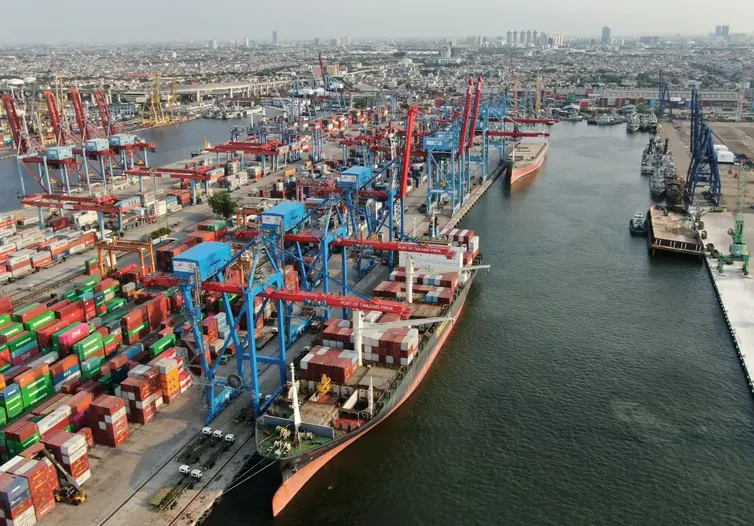
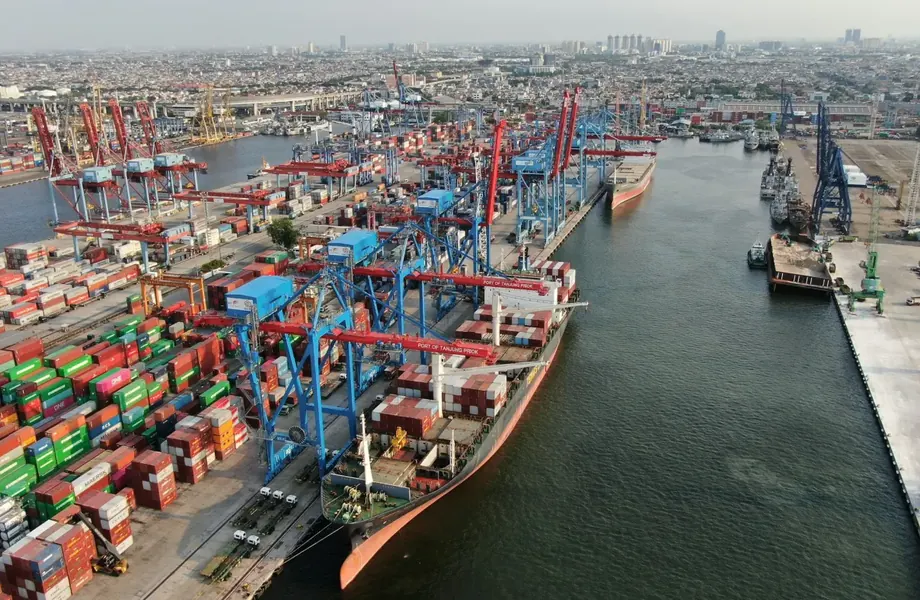
Los Angeles is a city of several economies sharing one freeway map. The twin ports at San Pedro Bay handle a large share of the goods the country imports from Asia, and behind them sits a dense network of customs brokers, truckers, transloaders and warehouses that stretches east into the Inland Empire. Downtown and the surrounding neighborhoods hold a long-established garment and textile trade, alongside newer beauty, food and lifestyle brands that sell online and to retailers. Studios, streaming services and countless smaller production and post-production companies make up the entertainment industry. In the South Bay and the high desert, aerospace and defense work supports a deep base of machine shops and specialist suppliers.
For ERP planning, that mix means the first question is rarely about accounting. It is about where cost hides. For an importer, it hides in freight and fees that arrive weeks after the goods. For a brand, it hides in contractors and returns. For a production company, it hides inside each project. For an aerospace supplier, the risk is a missing certificate rather than a missing dollar. I shape the requirements around whichever of these drives your margin. Questions that apply across the country, like multi-state sales tax and GAAP, sit on my US ERP consultant page.
Many Los Angeles importers buy in Asia, ship on ocean freight, clear customs through a broker and move containers by drayage to a warehouse they own or a third-party facility. The purchase order is only the start. Duties, broker fees, terminal and chassis charges, detention and demurrage, transload costs and inland freight arrive on separate invoices, sometimes long after the stock has been sold.
An ERP that treats those charges as general overhead will overstate margin on some products and understate it on others. I define a landed cost method that suits your business, whether that is estimating costs at receipt and truing them up later, or holding goods in transit until charges are known. I also scope container and shipment tracking so buyers and sales staff can see what is on the water, at the terminal or at the warehouse door.
Integration matters here: broker data, carrier and forwarder updates, warehouse systems and marketplace orders all need a defined path into the ERP. I plan those links through ERP integration work and use my logistics ERP and wholesale ERP frameworks as the starting checklist. Duty classification and trade compliance remain with your licensed customs broker; the ERP simply needs to store and use the results.
A Los Angeles apparel or beauty brand might design in-house, source fabric locally and abroad, send cutting and sewing to nearby contractors, and sell through its own website, marketplaces and wholesale accounts at once. The ERP has to model products as styles with color and size variants, plan seasonal buys, and track raw materials that leave your building and come back as finished goods.
I spend most of the requirement work on three areas. First, the item structure: how styles, variants, bundles and kits are coded, because a poor structure makes every report harder. Second, outside processing: how fabric and trims issued to a contractor are recorded, how contractor charges attach to the right production lot, and how shortages or rejects are handled. Third, channels: how web orders, marketplace orders and wholesale orders reach one stock pool, and how returns are inspected and put back into sellable or unsellable stock.
Food and beauty brands add lot numbers, expiry dates and co-packer relationships to the same picture. I test all of this in vendor demos with your real style list and a sample contractor run, so you see how the system behaves before committing.
Media businesses in Los Angeles range from large studios to small production, post-production, visual effects and commercial production companies. Many set up a separate entity or cost center for each project, use specialist production accounting and payroll services for crew, and still need a company-level ERP for overhead, intercompany charges, equipment and consolidated reporting. My job is to draw a clear boundary: what stays in the production tools, what flows into the ERP, and how project results roll up without manual re-entry.
Aerospace suppliers have a very different problem. Prime contractors expect material certifications, traceability from raw stock to finished part, revision control on drawings and routings, first article and inspection records, and disciplined handling of nonconforming material. Companies with US government contracts may also face specific cost accounting and export control obligations, which you should confirm with your own advisors. I translate those expectations into requirements that a manufacturing ERP and any connected quality system must meet, then check during demos that a serial or heat number can be followed from receipt to shipment without leaving the system.
Los Angeles is one of the furthest US cities from India in clock terms, so I plan the calendar deliberately. Your early morning is my late evening, and your late afternoon is my early morning. Short decision meetings, process interviews and vendor demonstrations go into those two windows, which keeps live time with your team focused and predictable.
The gap also works in your favor. I review the day's questions, implementer notes and test results while Los Angeles is offline, and you start the next morning with updated process maps, requirement drafts or test scripts already waiting. Warehouse and contractor walk-throughs can be done on a phone video call against a checklist I send beforehand.
Around go-live I shift my hours further into your day so receiving, order fulfillment and invoicing issues are answered quickly. A kickoff in Los Angeles with your buyers and warehouse leads is possible too, booked ahead by arrangement. To see everything I offer American businesses, visit the USA page, or send me a short note on your import, brand or supplier setup to discuss where an engagement could begin.

Tell me about your business and current systems. I’ll suggest the most sensible first step.
Book a Consultation
Not sure which ERP you need?
Share your business requirements with me and I will help you understand the right process, architecture and platform before implementation.
FAQ
No. My work for Los Angeles companies is delivered remotely from India, using video calls, screen-shared process maps and a written log of every decision. An on-site visit can be planned by arrangement when it adds real value, such as a kickoff with warehouse and buying teams, but nothing in the plan depends on it.
Yes, if landed cost is designed properly. The system needs to collect freight, duty, broker, terminal, drayage and storage charges against each shipment and allocate them across the items inside it. I help you choose an allocation method, decide how late invoices are handled, and test the result with one of your real shipments during demos.
Yes. I define how fabric and trims issued to contractors are tracked, how their work orders and charges are recorded, and how finished goods come back into stock by style, color and size. That gives you visibility of what each contractor holds and what each production lot really cost.
Often a production company needs specialist production accounting for each project and an ERP or accounting platform for the company itself. The real question is where the boundary sits and how project results flow up. I help design that split so overhead, intercompany charges and group reporting stay clean.
Yes. I document the traceability, certification, revision control and inspection requirements your customers expect, along with job costing and scheduling needs, and use them to score shortlisted platforms. Regulatory and contract compliance questions stay with your quality lead and advisors, but the system requirements become clear and testable.
Every business is different. Share where you are today and what you want to fix, and I’ll tell you honestly whether and how I can help.
Book a Consultation
Insights
 Book a Consultation
Book a consultation to talk through your processes, systems and goals. I’ll reply with practical next steps - no obligation.