Contact Info
 United States
What does an ERP implementation consultant do for a US company?
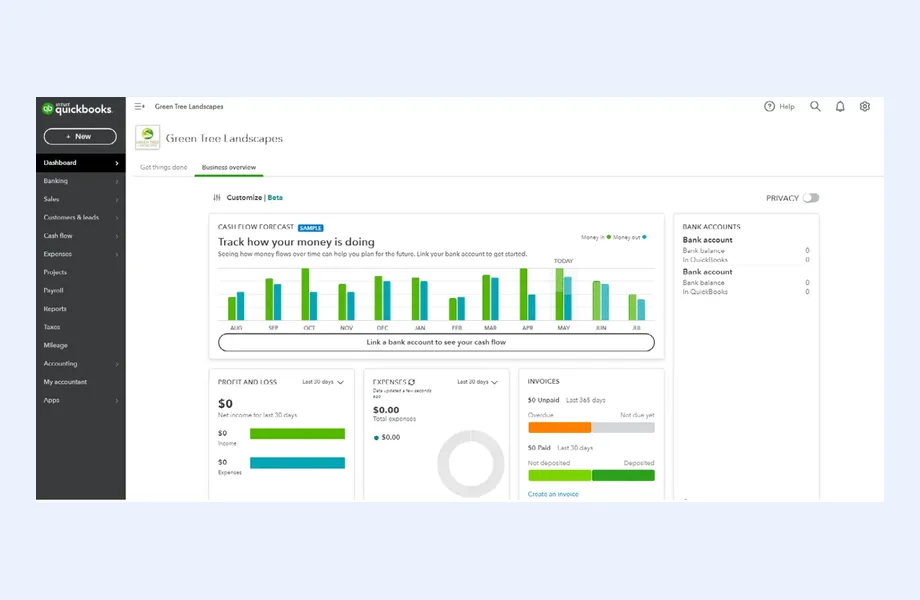
An ERP implementation consultant represents the buyer in a US project while the partner builds. I keep the agreed requirements as the reference point, review designs and change requests, check QuickBooks or Sage data before each trial load, test sales tax, payment runs and payroll journals, and lead the go-live decision and hypercare. I work remotely across US time zones and am paid only by you.
Last reviewed by Vikas Saroj
Once a US company signs with a VAR or implementation partner, the partner brings a trained team and a methodology. The buyer usually brings a controller, an operations lead and an IT generalist who still have their day jobs. That imbalance is where scope quietly grows, design choices are made by default and testing gets squeezed into the last few weeks.
I work remotely as a client-side ERP implementation consultant for US businesses. I do not replace the partner and I do not configure their platform for them. I make sure the decisions they need are made by the right people, that what they build traces back to agreed requirements, and that migration, testing and training are finished properly before anyone sets a go-live date.
For smaller projects on Zoho, Odoo or ERPNext where no partner is involved, I can guide configuration directly with your administrators. In both cases I am paid only by you, with no margin on licenses or partner hours.
 What I Do
I work inside your governance, not the partner's, and every output is written for your leadership team.

I run the client half of the project: the decision log, the risk register, weekly status with the partner and a short steering update your executives can read in minutes.

Each partner design document and change request is checked against the requirements you signed, with the cost, timeline impact and business reason written down before anyone approves it.

Reconciliation of every trial load from QuickBooks, Sage or a legacy system: trial balance, open receivables and payables, inventory quantities and values, and customer tax exemption flags.

UAT scripts built from your real transactions, including multi-state tax, exempt customers, ACH and check runs, intercompany entries and the close process your controller follows.

Role-based training plans checked against the final configuration, so warehouse, AP, sales and approval users each practice the screens they will use rather than a generic tour.

A readiness checklist, a cutover runbook with named owners, and daily issue review after launch until the first close in the new system is complete and reconciled.
How I Work
Set governance before configuration starts
 Confirm scope and requirements baseline
Agree decision rights and RACI
Set up decision and risk logs
Plan migration and testing workstreams
Confirm scope and requirements baseline
Agree decision rights and RACI
Set up decision and risk logs
Plan migration and testing workstreams
Check the build against the business
Review designs with process owners
Control change requests
Reconcile each trial data load
Run UAT with real users
Go live on evidence, then stabilize
Hold the go/no-go meeting
Run the cutover checklist
Lead daily hypercare reviews
Support the first close
Troubled ERP projects rarely fail on technology. They tend to slip through a series of reasonable-looking shortcuts. In a US setting, the same patterns show up again and again:
A client-side lead does not remove these risks by magic. The role makes them visible early and puts a named owner and a decision date against each one. Where a rollout already shows a handful of these warning signs, ERP recovery may be the better starting point.
Partners do better work when the client side is organized. My role is to make that happen, not to second-guess every configuration choice. In practice the oversight runs through a few simple routines.
A weekly working session reviews status, blockers and the decisions that are due. Each decision goes into a log with the option chosen, the rationale and the approver. Change requests arrive with a business reason and the partner's estimate, and I assess them against the requirements baseline before they reach the sponsor. A short steering meeting with your executives covers risks and anything that needs their authority.
I also read the partner's design documents line by line with your process owners. That is where gaps hide: an approval route that was simplified, an inventory costing method chosen without finance in the room, or an intercompany flow that only works for one direction of trade. Catching these on paper is far cheaper than catching them in UAT.
The partner keeps ownership of configuration, development and platform expertise. I keep ownership of the business view. That split avoids the common situation where the partner both builds the system and decides whether it is acceptable. The broader approach is described on my ERP implementation page.
US migrations often start from QuickBooks Online or Desktop, a Sage product, or a heavily patched on-premise package the business has run for years. Each brings its own clean-up work, and the partner's migration templates only help once the data is fit to load.
The first decision is how much history to bring across. Many companies move open transactions and balances, then keep the old system or an archive available for lookups. Others need detailed history for trend reporting or audit support. Either choice is valid, but it has to be made deliberately and agreed with your CPA.
Each trial load is then checked against the source, not just accepted because the import ran without errors:
Where QuickBooks classes or locations are being replaced by proper dimensions, I map old values to new ones with finance so that comparative reports still make sense. More on the method is on the ERP data migration page and in migrating from QuickBooks.
UAT for a US company has to cover the transactions that are expensive to get wrong. I build scripts from your actual customers, items and vendors: a multi-state invoice with mixed taxability, an exempt customer with a certificate on file, an ACH payment file accepted by your bank, a check run with positive pay, intercompany billing and a full month-end close. Business users run the scripts, and defects are triaged with the partner by severity, not by who shouts loudest.
Timing matters as much as testing. A few US-specific points usually shape the cutover plan:
Go-live itself is a decision taken on evidence: signed UAT, reconciled data, trained users and a rollback position. The detail is on ERP testing and UAT and ERP go-live support.
The weeks after go-live decide whether people trust the new system. During hypercare I run a daily issue review with the partner and your key users, separating true defects from training gaps and from requests that belong in a later phase. Issues are logged with an owner and a target, and a short daily summary goes to the sponsor.
Your first period-end in the new ledger shows whether the build really holds. I work alongside your controller to reconcile bank accounts, inventory, receivables and payables in the new system, confirm that sales tax reports agree with the ledger and check that management reports match what leadership expects. Problems found here feed a stabilization backlog that the partner prices and schedules properly.
All of this is delivered remotely. Calls are booked in the overlap window that fits your main office, whether that is on Eastern or Pacific time, and walkthroughs are recorded so warehouse or field teams in other states can review them later. On-site support around go-live can be agreed by arrangement where it genuinely helps.
Where the platform or partner is still undecided, my ERP selection consultant work for US companies comes first. For a wider view of the market, see the US ERP consultant page or the freelance engagement options.

Tell me about your business and current systems. I’ll suggest the most sensible first step.
Book a Consultation
Not sure which ERP you need?
Share your business requirements with me and I will help you understand the right process, architecture and platform before implementation.
FAQ
No. The partner's project manager runs their team, plan and budget. I lead your side: requirements, decisions, change approval, testing and acceptance. Having both roles filled means design questions get answered quickly and nobody on the partner side has to guess what your business wants.
Yes. The entry point is a quick read of the SOW, the decision and issue logs, the current design and the test plan, after which we agree where client-side ownership is weakest. Often the first actions are re-baselining scope, setting up change control and planning proper migration checks.
It simplifies opening balances and annual comparisons, but it is not essential. A month-end or quarter-end cutover can work well if the data is reconciled and sales tax periods are handled cleanly. The right answer depends on workload, audit timing and payroll, and your CPA should agree the plan.
I coordinate the payroll workstream rather than configure payroll compliance. Many US companies keep a specialist payroll provider, so my focus is the journal integration, labor cost allocation and testing. Tax withholding and filing questions stay with your payroll provider and advisor.
Every business is different. Share where you are today and what you want to fix, and I’ll tell you honestly whether and how I can help.
Book a Consultation
Insights
 Book a Consultation
Book a consultation to talk through your processes, systems and goals. I’ll reply with practical next steps - no obligation.