Contact Info

 Dubai
Dubai
What does an ERPNext consultant in Dubai do?
An ERPNext consultant in Dubai shapes the open-source ERP for local firms that suit it: facility management and cleaning contractors with large field teams, spare parts traders juggling alternate part numbers, and tech companies whose developers extend the code. Working remotely, I plan logins and roles, design parts catalogs, set rules for custom apps, and define portals and owner dashboards before anything is built.
Last reviewed by Vikas Saroj
ERPNext tends to attract three kinds of Dubai business. Service companies with large field workforces, such as facility management, cleaning and security contractors, like that the software carries no per-user license fee. Spare parts traders around Ras Al Khor and Deira need a catalog that copes with thousands of part numbers and their alternates. Tech firms in Dubai Silicon Oasis and Dubai Internet City want code they can extend themselves.
I work remotely with Dubai businesses as an independent ERPNext consultant. For each of these groups the hard questions are different: who really needs a login, how a part is identified when three numbers describe it, and how in-house developers extend the system without making the next upgrade painful.
Tax, e-invoicing, payroll and hosting questions for the whole country sit on my UAE ERPNext page.
 What I Do
I focus on the decisions that are hard to reverse later: user structure, item identity, where customizations live and what outsiders can see through portals.

I decide which staff need full desk access, which need a narrow mobile role and which are better served by a supervisor entering data for them, keeping security and support effort in proportion.

For maintenance and cleaning teams spread across towers and communities, I design simple job, checklist and timesheet screens that work on a phone between sites, with photos attached as evidence.

I structure items, alternate part numbers, brands and vehicle fitment so counter staff find the right part quickly and duplicates do not creep in during data migration from older systems.

I set rules for in-house developers: custom code lives in a separate Frappe app under version control, changes pass through a test site, and nothing edits ERPNext's core files.

I plan what customers, residents and suppliers can see and do through ERPNext's web portal, from statements and service requests to quotation responses, and what stays strictly internal.

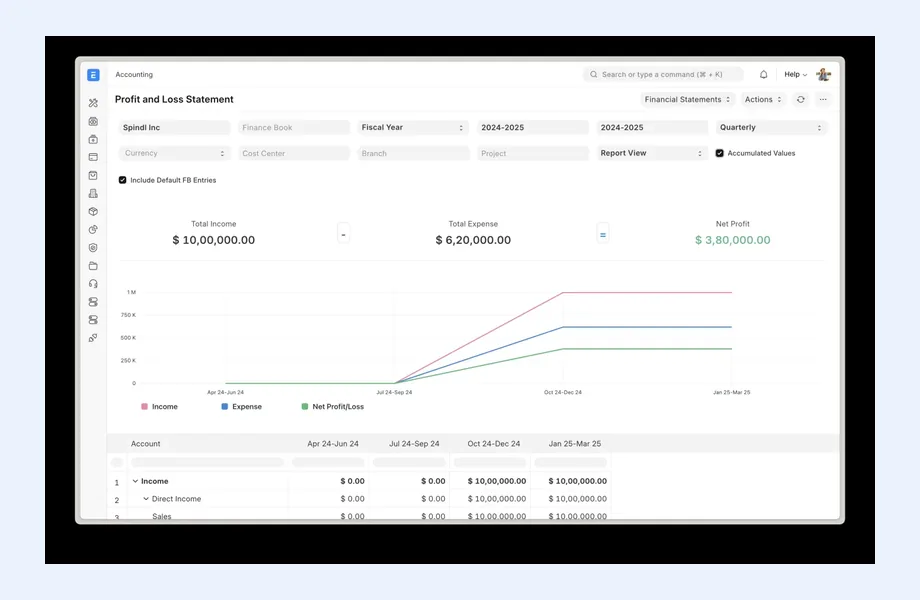
I design the handful of reports a Dubai owner checks daily, such as cash across banks, receivables by salesperson and stock age by brand, using standard reports before anything custom.
How I Work
Understand users, items and code
 Count roles, not just people
Sample the item and parts data
Review existing customizations
List portal and report needs
Count roles, not just people
Sample the item and parts data
Review existing customizations
List portal and report needs
Fix structure and rules
Define roles and permissions
Agree item naming and alternates
Set development and test rules
Specify dashboards and portals
Steer the build and launch
Review developer work against rules
Run field and counter pilots
Clean data before migration
Train admins and key users
Facility management, cleaning, security and building maintenance companies in Dubai can employ hundreds of people spread across towers, malls and residential communities. On software priced per user, every technician login has a cost, so these firms often keep frontline staff off the system and rely on paper job cards. ERPNext changes that calculation because the software itself carries no per-user license fee. The costs come from hosting, implementation and support instead.
That freedom still needs discipline. Giving everyone a login means more passwords to manage, more permissions to design and more people to train. The design work I do here is mostly about roles:
Each role gets the smallest set of screens it needs. The result is a system frontline staff can use between sites without training fatigue. The sector picture is on my UAE facility management ERP page.
Dubai has a large trade in vehicle and machinery spare parts, with trading clusters around Ras Al Khor and parts of Deira supplying workshops at home and buyers across Africa, the Gulf and Central Asia. A single part can be known by an original manufacturer number, several aftermarket numbers and a local nickname. Counter staff must find the right item in seconds while a buyer waits.
ERPNext can handle this well if the item structure is designed before data arrives. The decisions include:
Migration is the risky step. Older systems in this trade often hold the same part under several codes. I run a cleanup pass before import, merging duplicates and linking alternates, so the new system starts tidy. My UAE automotive ERP page covers dealerships and workshops as well.
Software and tech companies in Dubai Silicon Oasis and Dubai Internet City often choose ERPNext because their own developers can read and extend it. The Frappe framework makes it quick to add custom DocTypes, scripts and reports. That speed is also the risk: a few months of enthusiastic changes can leave a system that is hard to upgrade and understood by one person.
I set governance rules at the start and review work against them:
These rules cost little up front and save a great deal at upgrade time. For startups, I also check that the ERP holds the data investors and auditors will ask for, such as subscription revenue schedules and clean inter-company balances, before the business scales. My ERPNext consulting page describes the framework and its apps in general terms.
ERPNext includes a web portal where outside users can log in to see selected records. In Dubai this opens some useful options. A facility management company servicing residential towers can let building managers or residents raise maintenance requests and follow their status. A trading company can let regular buyers check their statements and order history without calling the accounts team. Suppliers can respond to requests for quotation online instead of by email.
Each of these needs care. The portal exposes data to people outside the company, so I design exactly which record types and fields each group sees, how accounts are created and closed, and what language and branding the pages carry. Where residents are involved, personal data handling should be reviewed with your advisor, especially if your clients include building owners with their own policies.
I also check whether the portal is the right tool at all. For a large residential community, a dedicated resident app connected to ERPNext may serve better. For a trading company with a few dozen regular buyers, the standard portal may be all that is needed. The decision depends on volume and expectations, and I make it with you before anyone builds pages.
Many Dubai owners run their companies from a phone, between meetings and travel. They do not want a reporting module; they want a few numbers they trust. For a trading or services business, the list tends to be short: cash across all bank accounts and currencies, receivables by customer and salesperson, overdue collections, stock value and age by brand, and margin by product line or contract.
ERPNext's standard reports cover a lot of this once the underlying setup is right, and number cards and charts can put the essentials on one workspace. Where owners want more analysis, Frappe offers a separate reporting app, and outside tools can read from the database. I start with standard reports, prove they match the accounts, and only then add anything custom.
All of this is delivered remotely within the Dubai working week, with on-site time only by arrangement. The country-wide view, including VAT reporting, e-invoicing and hosting, is on my UAE ERPNext consultant page. For how ERPNext compares with other options for a Dubai group, see the Dubai ERP consultant page, and if you need an advisor across the whole project, the Dubai freelance ERP consultant page explains how that works.

Tell me about your business and current systems. I’ll suggest the most sensible first step.
Book a Consultation
Not sure which ERP you need?
Share your business requirements with me and I will help you understand the right process, architecture and platform before implementation.
FAQ
ERPNext is open source, so the software itself has no per-user license charge. You still pay for hosting, whether a managed Frappe Cloud plan or your own server, plus implementation, support and any paid add-ons. For companies with many field staff, removing per-user fees can change which employees get access, but the total cost depends on those other items.
Yes, with the right item design. Alternates and superseded numbers can be linked to an item and searched at the counter, and brand and grade can be recorded to separate similar parts. Vehicle fitment may need custom fields or a linked catalog. The bigger task is cleaning duplicate codes from your old system before migration, which I plan as its own step.
It can be. Changes made directly to core files are overwritten or conflict when you upgrade. The safer approach is to put all customization in a separate Frappe app under version control, tested on a copy of your data first. I set those rules at the start and review developer work against them throughout the project.
ERPNext's web portal lets outside users log in and see or create selected records, such as service requests, statements or quotation responses. I design what each group can see, how accounts are managed and whether the portal suits your volume. For very large residential communities, a dedicated app connected to ERPNext may be the better route.
Every business is different. Share where you are today and what you want to fix, and I’ll tell you honestly whether and how I can help.
Book a Consultation
Insights
 Book a Consultation
Book a consultation to talk through your processes, systems and goals. I’ll reply with practical next steps - no obligation.