Contact Info
 ERPNext in Austin
Which Austin businesses should consider ERPNext?
ERPNext suits Austin businesses that need serious stock, accounting and service records but would rather own open-source software than pay for each user's license. Locally that includes firms that refurbish retired laptops and servers from tech offices, short-term rental managers juggling owners, cleaners and linens, and ranches selling beef and produce direct to households. I assess the fit remotely as an independent ERPNext consultant and name the gaps before anyone builds.
Last reviewed by Vikas Saroj
ERPNext is a fully open-source ERP built on the Frappe framework, and in Austin it makes particular sense for operators who track a lot of physical detail with a small office team. A refurbisher records every serial number that comes through the door, a rental manager balances owners, guests and cleaning crews, and a ranch turns animals and harvests into products sold at markets and to subscribers.
My work is remote and independent of any vendor. I map your processes, test them against standard ERPNext, decide what needs configuration, a community app or custom work, and plan hosting and support so the system stays maintainable. I resell nothing and earn nothing from hosting providers or developers.
 What I Do
Each engagement starts with a real transaction followed through ERPNext's standard documents, so gaps are visible before any custom code is written.

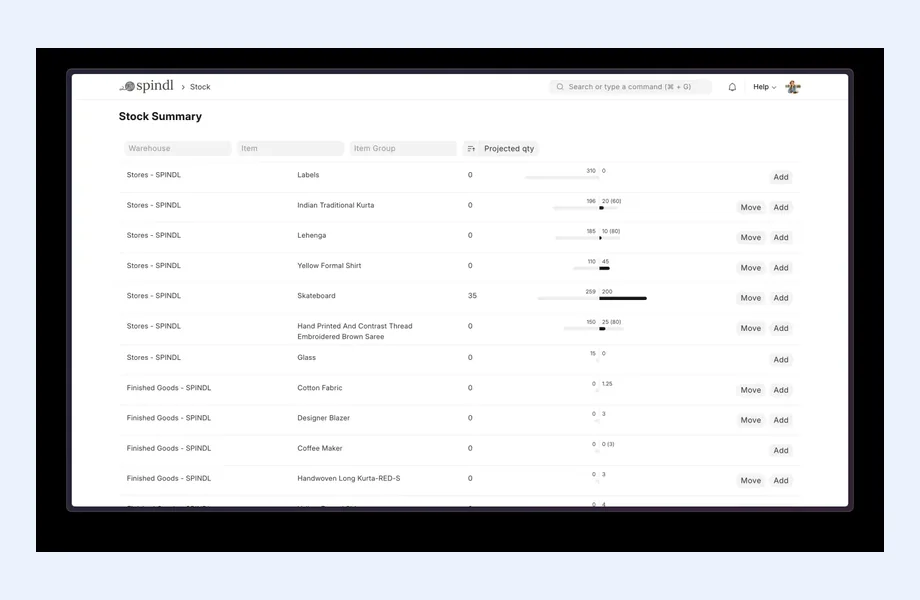
For refurbishers, I design receiving by serial number, condition grading through quality inspections, and stock movements from intake through wiping, repair, parts harvesting and resale, with each step traceable.

I define how pickup documents, data destruction evidence and certificates are attached to serial numbers and customer lots, so a client asking about a specific device gets an answer quickly.

For short-term rental managers, I structure properties as accounting dimensions, owners as linked parties and booking revenue as imported summaries, then design the owner statement your team sends each period.

I set up cleaning and inspection tasks between stays, linen and supply stock by property or storeroom, and maintenance requests that carry their costs back to the right owner.

For ranches and farms, I design repack entries that turn an animal or harvest into sellable products, batch records for traceability, and selling through markets, subscriptions and wholesale accounts.

I weigh managed hosting on Frappe Cloud against a cloud server you control, define who applies upgrades and backups, and agree how a developer or support provider is engaged when something breaks.
How I Work
Run your work through standard ERPNext
 Collect real documents
Walk through each process
Mark configuration versus custom
Name the true gaps
Collect real documents
Walk through each process
Mark configuration versus custom
Name the true gaps
Build the essentials and connect
Set up masters and dimensions
Design print formats
Import data in stages
Connect existing tools
Leave a maintainable setup
Write admin notes
Agree an upgrade routine
Train key users
Plan support contacts
The technology offices around Austin and Round Rock, along with data centers in the region, retire a steady flow of laptops, desktops, phones and servers. A specialist trade collects and processes that equipment: firms that wipe or destroy data, test and grade devices, harvest parts and resell or recycle what remains. Their customers want proof of what happened to each device, and their margins depend on knowing what every unit is worth.
ERPNext fits this work because it tracks stock by serial number as standard. I design receiving so each device is logged against the customer's pickup with make, model and serial, then moved through stages such as awaiting wipe, wiped, tested, graded and ready for sale. Quality inspection templates capture grading criteria, and a repack stock entry can turn a device that fails testing into harvested components with their own values.
The other half is evidence. Certificates of data destruction, photos and logs can be attached to serial numbers or customer lots, and a print format can produce a per-customer report listing every device and its outcome. Which destruction standards you follow, and what you may claim in a certificate, are questions for your compliance advisor; the system's job is to make each claim traceable. Resale channels such as online marketplaces usually connect through an integration that I specify alongside the build.
Festivals, conferences, university events and race weekends keep demand for short-term rentals in Austin uneven but strong, and many owners hand their properties to management companies. Those companies take bookings through listing platforms and their own sites, coordinate cleaning between stays, stock linens and supplies, handle repairs, and send each owner a statement of income, costs and the management share.
A channel manager or property management system normally handles listings, calendars and guest messaging, and it should stay. ERPNext can take over the operational and financial side. I set up each property as an accounting dimension, owners as linked parties and booking revenue as imported summaries per property and period. Cleaning and inspection tasks are created between stays, linens and consumables are tracked by storeroom or property, and maintenance work is costed to the property it belongs to.
The owner statement is the document that matters most to the business, and ERPNext has no ready-made version of it. I design it as a report or print format built on the dimensions above, test it with real periods of data and check it with your accountant. City licensing rules for short-term rentals and occupancy tax reporting are matters for your attorney and tax advisor, and I make sure the system holds the data they ask for.
Within reach of Austin, from the Hill Country to the farmland east of the city, ranches and farms sell beef, pork, lamb, eggs and produce directly to households, at farmers markets, through subscription boxes and to restaurants that want local supply. Their product flow is unusual. A whole animal goes to an inspected processing plant and comes back as many different cuts, each with its own weight and price, while produce and eggs move quickly with short shelf lives.
ERPNext can model this with some care. A repack stock entry turns a processed animal into the cuts returned from the plant, carrying cost from the animal to the products, and batch numbers keep each animal or harvest traceable to the market where it was sold. Point of sale handles market stalls, subscriptions can generate recurring invoices, and restaurant accounts receive normal invoices on credit terms.
The honest limit is catch weight. Cuts are often priced by actual weight per package, which standard ERPNext does not handle natively, so it needs a customization, a community app or a label-printing scale that feeds the price. I test that piece first, because it decides whether the rest is worth building. Food safety and labeling rules for meat and eggs are confirmed with the relevant inspectors and your advisors; the system holds the records they expect to see.
None of these businesses tends to have an IT team. A refurbisher may have technically minded staff, but a rental manager or a ranch usually has an office manager and an outside accountant. So the plan for support deserves as much attention as the configuration itself.
I compare the main hosting routes. Frappe Cloud provides managed hosting with backups and upgrades handled through its dashboard, which suits teams that want little to do with servers; check the regions on offer if you want data kept in the United States. Running it on a cloud server you rent yourself offers more control and suits firms with in-house technical skills, but someone must own security patches, backups and upgrade testing. Either way, the custom pieces described above should live in a separate app rather than as edits to ERPNext itself, so upgrades do not break them.
Support needs a named route. That can be a support plan from your hosting provider, a retainer with an ERPNext developer, or a trained internal administrator with outside help on call. I write admin notes covering users and permissions, print formats, custom fields, integrations and the upgrade routine, and I review any developer's work against those notes. The goal is a system your team can understand without me, as the ERPNext platform page describes, while the US ERPNext consultant page covers sales tax and QuickBooks migration.
ERPNext is a good match for detailed, stock-heavy operations, but not for every situation on this page. A refurbisher whose large enterprise customers demand reports from specific data-erasure software may find that a dedicated asset disposition platform already produces them, leaving ERPNext, or a simpler accounting system, for finance. A rental manager with only a handful of properties may be better served by a property management system with built-in owner statements and a standard accounting app.
For ranches, very small operations selling only at markets may not need an ERP at all, and a point-of-sale app with simple bookkeeping can be enough until wholesale accounts or subscriptions grow. Any business that needs heavy customer-facing booking features, such as instant online reservations with dynamic pricing, should keep a specialist tool for that part and connect it rather than rebuilding it in ERPNext.
I write these conclusions into a short fit assessment with the reasons, the alternatives considered and the effort involved, and the decision stays with you. If ERPNext is the right call, that assessment becomes the starting brief for configuration. If not, the same requirements carry over to whichever platform you choose. For the wider local picture, see the Austin ERP consultant page or compare with Odoo consulting in Austin. Visits can be arranged, while delivery stays remote.

Tell me about your business and current systems. I’ll suggest the most sensible first step.
Book a Consultation
Not sure which ERP you need?
Share your business requirements with me and I will help you understand the right process, architecture and platform before implementation.
FAQ
Yes. Serial number tracking is standard in ERPNext, so each laptop, phone or server can be received against a customer pickup and followed through wiping, testing, grading and sale or recycling. I design the stages and scanning steps so intake staff can keep up with large pickups without typing every detail by hand.
Not out of the box, but it can with a report or print format built on property dimensions and owner records. Booking revenue usually arrives as imported summaries from your property management system, and costs are posted to each property. I build the statement with your accountant's input and test it on real data before owners see it.
Yes, using a repack stock entry that converts the animal into the cuts returned by the processing plant and spreads its cost across them. Pricing by actual package weight is the harder part, because standard ERPNext does not handle catch weight, so I test a customization, community app or scale-based labeling first.
Usually, yes. Listing platforms, channel managers and guest messaging tools do jobs ERPNext is not designed for. ERPNext takes the accounting, owner, task and stock side, and receives booking summaries from your existing system. I specify that interface so both systems agree on revenue by property and period.
Every business is different. Share where you are today and what you want to fix, and I’ll tell you honestly whether and how I can help.
Book a Consultation
Insights
 Book a Consultation
Book a consultation to talk through your processes, systems and goals. I’ll reply with practical next steps - no obligation.