Contact Info
 ERPNext in Atlanta
What kind of Atlanta operation suits ERPNext?
ERPNext suits Atlanta operations that live beside the distribution centers: packaging and label converters creating new items for many orders, pallet yards sorting and repairing used pallets, and drayage carriers settling container moves with owner-operators. These firms want flexible stock and costing without per-user licenses. Working remotely and independently, I test where standard ERPNext fits, where an outside system has to stay and how much custom code is justified.
Last reviewed by Vikas Saroj
The distribution centers around Atlanta depend on a ring of smaller industrial businesses: plants that convert board into boxes and labels, yards that build, sort and repair pallets, and drayage carriers moving containers between rail ramps and warehouses. Their margins are thin, their crews are large, and their processes rarely match a packaged system out of the box.
ERPNext appeals here because it is open source, carries no per-user license and can be extended in Python. I help decide whether it fits, design the parts that must be configured or built, and keep custom work inside a separate, documented app. The engagement runs remotely, and I stay independent of hosting firms and Frappe implementers.
 What I Do
Each design keeps standard ERPNext where it fits and marks clearly where an outside system or a custom app is needed.

An item and bill of materials structure for packaging specifications that change with each customer, so quotes, work orders and job cards share one description of board, size and print.

Delivery and billing allowances set to each customer's agreed tolerance, so shipping slightly more or fewer units than ordered follows the agreement instead of creating credit notes and disputes.

Cutting dies and printing plates recorded with the customer who owns or paid for them, where they are stored, which items use them and when they are due for replacement.

Used pallets received as mixed cores, then sorted into grades, repaired or dismantled through repack entries, so yield and labor per grade can be measured rather than guessed.

Completed container moves passed from the dispatch system into ERPNext as invoice lines for line haul, fuel, chassis, waiting time and storage, coded by customer and terminal.

Owner-operator settlements built from completed moves, with deductions, advances and equipment rentals handled consistently, and reports that finance and your tax advisor can reconcile at year-end.
How I Work
Follow one order end to end
 Trace a box order or move
Collect specs, tickets and settlements
List systems already in place
Note what crews record by hand
Trace a box order or move
Collect specs, tickets and settlements
List systems already in place
Note what crews record by hand
Decide standard, custom or outside
Map items, BOMs and charges
Mark gaps for a custom app
Design the integration points
Plan hosting and support
Go live and measure margins
Test with recent real jobs
Train crew leads on tablets
Cut over at a quiet point
Review margins after first close
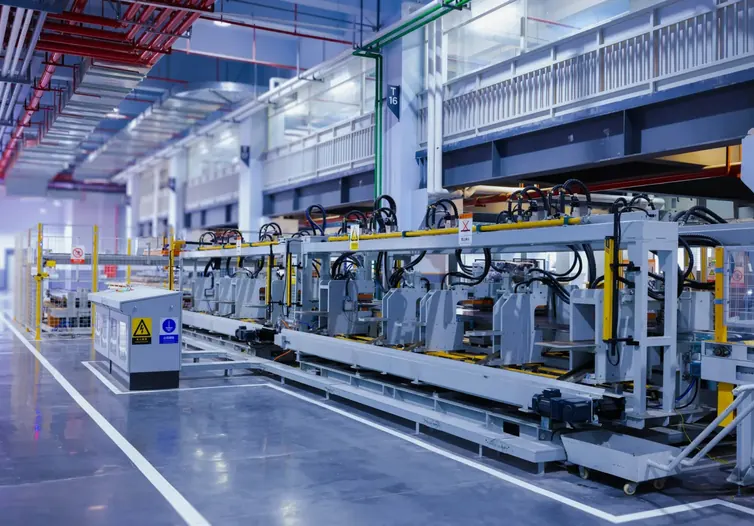
Metro Atlanta's warehouses and food plants use a steady stream of corrugated boxes, folding cartons and labels, and converters across the region make them. In this trade many orders introduce a new specification: a box size, board grade, print design or label stock that one customer needs and nobody else. Systems built for fixed catalogs struggle with that pace.
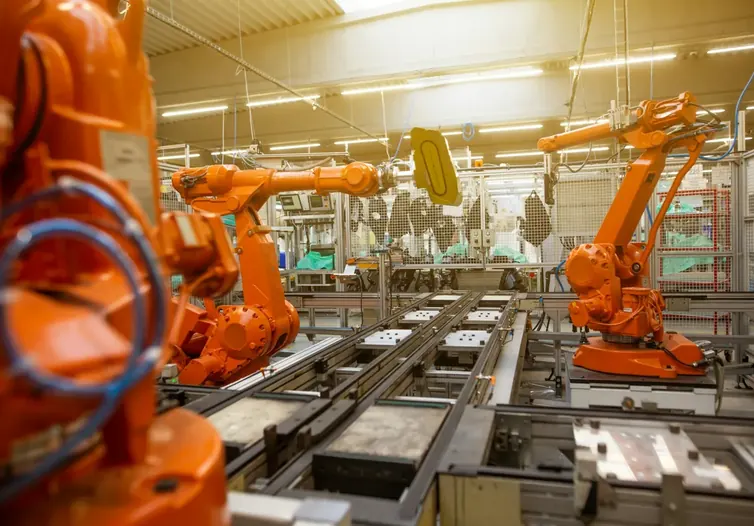
In ERPNext I design how a specification becomes an item, either as a variant of a template carrying attributes such as size and board grade, or as a new item created from the quote, along with a bill of materials and the operations it passes through. Work orders and job cards then follow the job through printing, die cutting and gluing, recording time and waste. The packaging trade also accepts shipping slightly more or fewer units than ordered, and ERPNext has allowance settings for over-delivery and over-billing that can reflect an agreed tolerance.
Cutting dies and printing plates are often paid for by the customer. ERPNext can flag items as customer provided, and I design how tooling is recorded, charged and reused so nobody orders a die that already exists. Estimating may stay in a specialist tool, with prices passed into ERPNext quotes. The ERPNext Manufacturing page covers the production app itself.
Every distribution center needs pallets, and the density of warehouses around Atlanta supports yards that build new pallets to customer specifications and buy back used ones to sort, repair and resell. The used side is the hard part to account for. A trailer of mixed cores arrives, and only after sorting does anyone know how many became premium grade, how many need repair, how many were dismantled for boards and how many went to the grinder.
ERPNext handles this with repack stock entries: mixed cores go in, graded pallets, recovered boards and scrap come out, with labor and material costs carried across. That gives real yield by supplier and by grade instead of an estimate. New pallets follow bills of materials for lumber, fasteners and labor, and orders that need heat treatment and stamping for export can carry that step as an operation with its own records.
Many yards also pick up cores from customers' docks and credit them against new deliveries. I design that as linked purchase and sales documents so credits do not vanish between the driver's ticket and the invoice. Crew leads can record sorting results on tablets at the end of each run, since ERPNext itself carries no per-user license. The ERPNext platform page describes the stock features this depends on.
Containers arriving through the Port of Savannah often reach Atlanta by rail or truck, and drayage carriers move them from the rail ramps on the edges of the metro to warehouses and back. Each move produces a bundle of charges: line haul, fuel surcharge, chassis use, waiting time at the dock, storage in the yard and, when a container is kept too long, per diem passed on from the ocean carrier. Many carriers pay owner-operators by the move or by a share of revenue, with deductions for insurance, fuel advances and equipment.
ERPNext is not a dispatch system and should not pretend to be one. The cleaner design keeps dispatch, tracking and driver apps in a transport management system and passes each completed move into ERPNext through its API. There it becomes sales invoice lines for the importer or forwarder, a settlement line for the driver, and entries tagged with accounting dimensions for terminal, customer and truck, so margin by move and by customer becomes a report rather than a spreadsheet project.
Fuel tax reporting, contractor classification and year-end forms belong to your tax advisor and counsel; I make sure the data they need is captured on every move. The ERP integration service covers the interface design.
These businesses often share a habit: they know their revenue well and their margins poorly. A converter cannot tell which customers' short runs lose money once setup time and waste are counted. A pallet yard does not know which core suppliers send loads that sort badly. A drayage carrier sees revenue per customer but not the waiting time and chassis cost behind it.
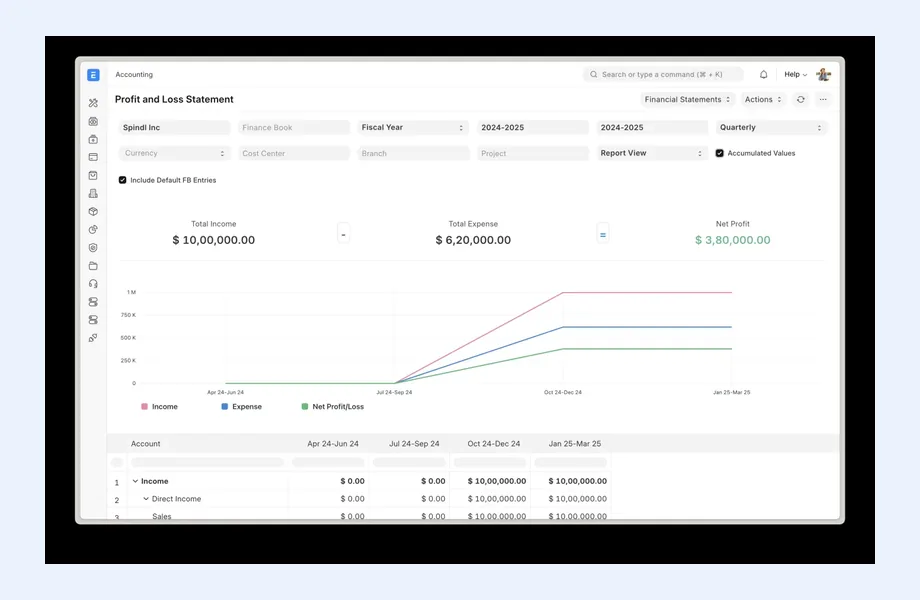
ERPNext can answer these questions if the data is captured in the right shape from the start. I design costing so job cards record setup and run time separately, repack entries carry labor by grade, and every move carries its cost lines. Accounting dimensions tag transactions by customer, terminal, machine or crew without multiplying the chart of accounts. Standard reports and a few custom query reports then show contribution by job, by supplier and by move, and the management dashboards page explains how those reports become a regular view for owners.
I also define what not to measure. Crews already juggle tickets and tablets, so every extra field must earn its place. The aim is a small set of figures leadership trusts, refreshed by normal work, rather than a monthly reconstruction in spreadsheets.
ERPNext is flexible, but flexibility is not the same as fit. These are the situations where I would steer an Atlanta business elsewhere or keep ERPNext to a narrower role:
When those points apply, the Atlanta Odoo page and the US ERPNext consultant page help compare options, and the Atlanta ERP consulting page covers the wider selection.

Tell me about your business and current systems. I’ll suggest the most sensible first step.
Book a Consultation
Not sure which ERP you need?
Share your business requirements with me and I will help you understand the right process, architecture and platform before implementation.
FAQ
Yes, within limits. ERPNext has allowance settings for delivering and billing more than ordered, set globally or per item, and an order shipped short can be closed without leaving an open balance. I set the allowances to match each customer's agreed tolerance and test them with recent orders, including partial deliveries and reorders.
Through a repack entry: the mixed cores are the input, and graded pallets, recovered boards and scrap are the outputs, with labor and material costs carried across. Over time that shows yield by supplier and by grade. I design the item list and the crew's entry screen so results are recorded at the end of each sorting run.
Usually not. Dispatch, tracking and driver apps belong in a transport management system. ERPNext works better as the financial system behind it, receiving completed moves through its API and turning them into invoices, settlements and margin reports. I design that interface and the charge codes so both systems agree on every move.
It can if changes are made to the core. I keep customization in a separate app with its own repository, limit it to what standard features cannot do, and document every custom field, script and report. Upgrades are rehearsed on a copy before production moves, so custom work does not block future versions.
Every business is different. Share where you are today and what you want to fix, and I’ll tell you honestly whether and how I can help.
Book a Consultation
Insights
 Book a Consultation
Book a consultation to talk through your processes, systems and goals. I’ll reply with practical next steps - no obligation.