Contact Info

 ERPNext CRM, Philippines
Is ERPNext CRM enough for a Philippine sales team?
ERPNext CRM is often enough for a Philippine distributor or manufacturer that already runs stock and invoicing in ERPNext and sells through dealers, wholesalers and key accounts across the islands. It handles leads, opportunities, quotations, territories and sales partners in one database. Chat leads from Messenger or Viber need a community app or custom integration, and consent rules need your privacy officer's input. I design this remotely and independently.
Last reviewed by Vikas Saroj
A Philippine distributor or manufacturer may sell through several channels at once. One sales team can handle supermarket chains in Metro Manila, provincial dealers in the Visayas and Mindanao, hardware stores, project buyers and walk-in customers, each with different prices, credit terms and ways of getting in touch.
When stock, pricing and invoicing already sit in ERPNext, keeping the pipeline in the same database avoids retyping and gives reps live stock and credit data. This page covers that built-in CRM for Philippine sellers: territories and dealers, chat-based inquiries, quotations and consent.
I work remotely with sales heads, owners and their ERPNext implementers. My role is to decide with you whether the built-in CRM is enough, design it if it is, and say plainly when a dedicated CRM would serve the team better.
 What I Do
The aim is a pipeline reps actually update, tied to the stock, prices and invoices finance already trusts.

A short written comparison of ERPNext's built-in CRM, Frappe CRM and a dedicated CRM for your team, based on channels, deal length and how much marketing automation you really need.

Territories that follow your island and regional coverage, sales persons with targets, and dealers or distributors set up as sales partners with commission rates finance can reconcile.

A route for Messenger, Viber or WhatsApp inquiries to become leads with source recorded, through a vetted community app, an integration platform or a small custom connector.

Price lists per channel, VAT-inclusive or exclusive display as your advisor prefers, payment terms and print formats, with any Filipino or regional-language text written by native speakers on your team.

Fields that record how and when a contact agreed to be messaged, an unsubscribe route, and role permissions so reps see only their territory, all reviewed by your data protection officer.

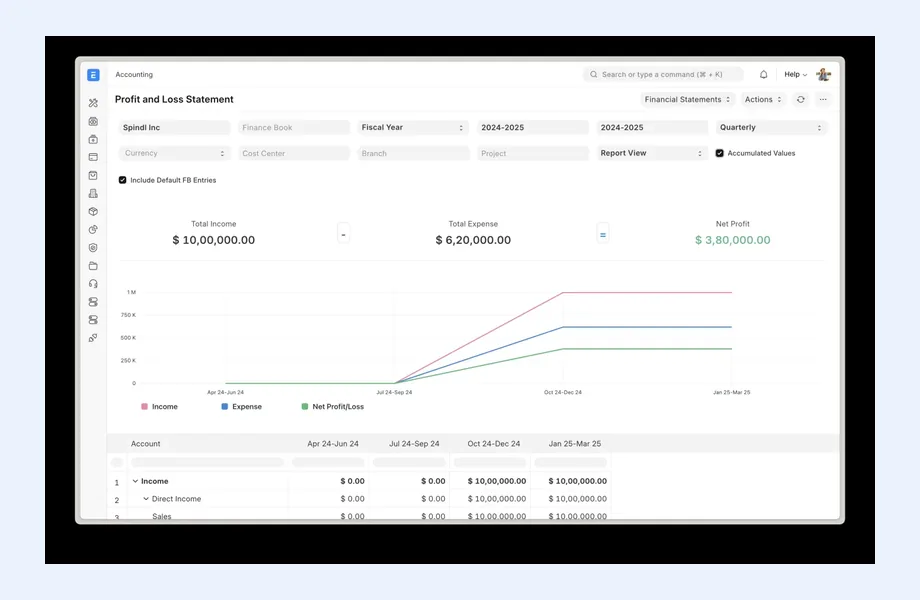
Opportunity, quotation and lost-reason reports by territory and channel, with a weekly view sales managers use in their own meetings rather than a dashboard nobody opens.
How I Work
Channels, buyers and handoffs
 Sales channels listed
Inquiry sources counted
Quote to invoice traced
Consent questions logged
Sales channels listed
Inquiry sources counted
Quote to invoice traced
Consent questions logged
Pipeline inside ERPNext
Territories and partners set
Lead and opportunity stages defined
Price lists and templates built
Chat route chosen and tested
Permissions by territory
Reps using it every week
Supervisors trained first
Mobile use checked in provinces
Weekly review report agreed
Gaps reviewed after a month
ERPNext includes leads, opportunities, quotations, customers, contacts, territories and sales partners. For a distributor or manufacturer whose sales cycle runs from inquiry to quotation to sales order within days or weeks, that set is usually sufficient, and the advantage of one database is large: a rep quoting a hardware chain sees stock across warehouses, the customer's credit limit and their overdue invoices without asking finance.
The built-in CRM is a weaker choice when:
Frappe also publishes Frappe CRM, a standalone app with a cleaner pipeline screen, which links back to ERPNext. Whether it suits your version and hosting is worth confirming with Frappe or your implementer. Where a third-party CRM wins, the work becomes an integration: customers, items, prices and quotations synced in one direction, with a clear system of record for each. The global product view is on ERPNext CRM, and the trade-offs are discussed on sales and ERP integration.
A Philippine distributor's coverage map rarely matches a neat sales org chart. Metro Manila key accounts may be handled by a head-office team, while provinces are served through dealers, sub-distributors or reps who visit monthly. ERPNext models this with three linked ideas:
The design questions are practical. Who owns a customer that buys from a dealer but sometimes orders direct? Do provincial dealers get access to ERPNext through a portal, or do your reps enter orders for them? How are freight and inter-island shipping reflected in quoted prices? I settle these with the sales head before configuring anything, because changing territory rules after a year of history makes reports unreliable.
For organizations running reps in the field with patchy connections, I test the mobile experience in the provinces before rollout, not only in the head office. Related distribution patterns are on distribution ERP.
Inquiries in the Philippines can arrive through Facebook Messenger, Viber or WhatsApp as easily as through email or a web form. When those conversations live only on a rep's phone, the company loses the lead history whenever the rep leaves, and managers cannot see how many inquiries turn into quotations.
ERPNext does not include these chat channels as standard. Options to evaluate, in order of effort:
Whatever the route, templates in Filipino, Cebuano or another local language need a review by native-speaking staff before they go live, because the engagement runs in English. The approach to vetting connectors is on my system integration page.
A Philippine seller may quote differently by channel: VAT-inclusive prices for retail and small business buyers, VAT-exclusive prices with tax shown separately for corporate accounts, and special prices for dealers. ERPNext supports this with multiple price lists, pricing rules for volume or promotional discounts, and tax templates applied on the quotation. Which display your documents need, and how VAT-exempt or zero-rated buyers are treated, is for your tax advisor to confirm.
What I configure and test:
Lost quotations get a required reason, so management can see whether price, stock or delivery time is costing deals. The design method follows my CRM consulting service.
The Philippine Data Privacy Act applies to the personal data your CRM holds about contacts at customers, dealers and prospects. Your data protection officer decides what consent is needed for marketing messages, how long records are kept and how access requests are handled. My part is making ERPNext follow those decisions.
In practice that means:
Before rollout, confirm a few things with Frappe or your implementer: whether your version includes Frappe CRM or only the classic CRM screens, which messaging apps are maintained for that version, and how hosting location fits your officer's guidance. No Frappe affiliation or referral fee shapes this advice. The broader platform picture is on ERPNext Philippines, an Odoo alternative is on Odoo CRM Philippines, and the Philippines hub covers how my remote work runs here.

Tell me about your business and current systems. I’ll suggest the most sensible first step.
Book a Consultation
Not sure which ERP you need?
Share your business requirements with me and I will help you understand the right process, architecture and platform before implementation.
FAQ
Often, yes, when the sales cycle is short and reps need stock, prices and credit data while quoting. Leads, opportunities, quotations, territories and sales partners are built in. A dedicated CRM is better for long consultative deals or heavy marketing automation. I compare both against your channels before you decide.
Not out of the box. Options range from a mobile lead form reps complete, to community Frappe apps for some channels, to an integration platform or a custom connector through the API. I check which routes are maintained for your ERPNext version and who will own them after go-live.
Each dealer or distributor becomes a sales partner record carrying its commission percentage and the customers it serves. ERPNext works out commission from sales invoices and reports it per partner and period. Before configuring, finance and sales settle the edge cases, such as a dealer's customer who orders directly from you.
Your data protection officer decides what the law requires for your marketing and contact handling. In ERPNext, I add fields recording consent basis, channel and date, filter marketing lists on them, and restrict access by territory. The legal interpretation stays with your officer or counsel.
Every business is different. Share where you are today and what you want to fix, and I’ll tell you honestly whether and how I can help.
Book a Consultation
Insights
 Book a Consultation
Book a consultation to talk through your processes, systems and goals. I’ll reply with practical next steps - no obligation.