Contact Info

 ERPNext CRM in Qatar
Is ERPNext CRM a good fit for trading companies in Qatar?
It often is when revenue comes from repeat supply rather than one-off campaigns. ERPNext keeps leads, opportunities and quotations beside stock, price lists, customer credit and receivables, so a Qatari distributor can quote against real availability and agreed rates. The consulting work is in structuring supply agreements, riyal and foreign currency pricing, customer identity data and credit rules, and in deciding honestly whether Frappe CRM or another CRM belongs alongside it.
Last reviewed by Vikas Saroj
For many Qatari traders the hardest sale is not the first order. It is keeping a facility operator, a hotel group or a contractor buying from you month after month at the rates you agreed, while stock arrives by sea and customers stretch their payment terms. That rhythm rarely shows in a pipeline designed for new business only.
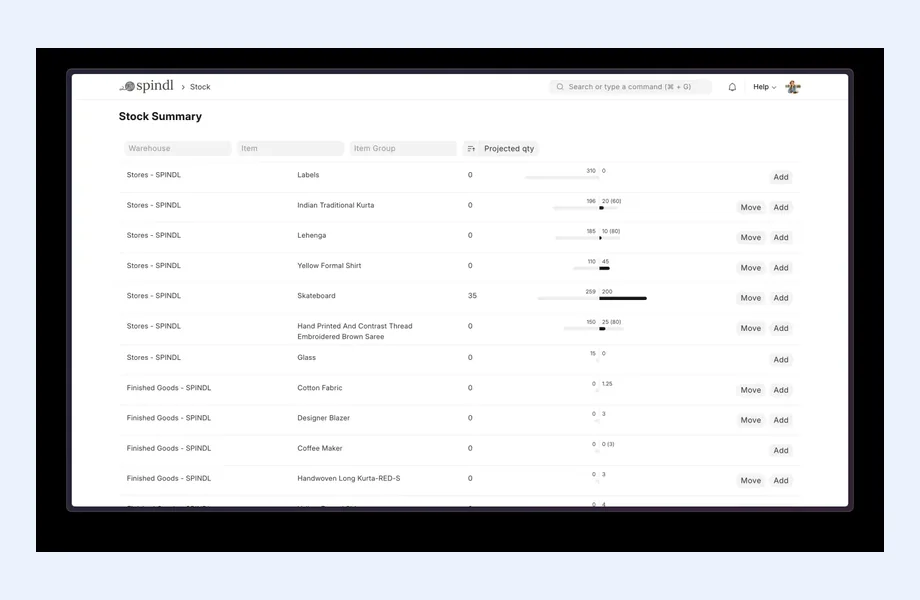
ERPNext suits this kind of selling because quotations, sales orders, deliveries, invoices and outstanding balances live in one database. A salesperson can see what is in the warehouse, what the customer owes and which agreed price applies before sending anything. What it does not provide on its own is the discipline to keep those records consistent.
I help Qatari owners and sales managers design that discipline remotely, through online process sessions and configuration reviews. As an independent ERPNext consultant I am not tied to Frappe or to any implementer, so the advice is about your selling model.
 What I Do
The work focuses on the sales side of ERPNext, designed so that stock, pricing and receivables support the salesperson instead of surprising them later.

Framework or annual agreements recorded so call-off orders pick up the agreed rates and quantities, with remaining balances visible to sales and the account manager.

Credit limits, payment terms and overdue balances shown where salespeople work, with rules for what happens when a customer is over its limit before an order is accepted.

Separate riyal, dollar or euro price lists maintained on purpose, with quotation validity dates and an agreed approach for imported lines priced from supplier costs.

Company records built on commercial registration details, legal names in both languages, customer groups and billing contacts, with duplicate checks before any import.

Territories, customer groups and sales persons structured so key accounts keep a named owner, targets can be tracked and new inquiries reach the right person quickly.

A written comparison of staying with ERPNext CRM, trying Frappe CRM as a separate app, or keeping a dedicated CRM, covering cost drivers, integration effort and adoption risk.
How I Work
See how accounts are really served
 Key account buying patterns
Agreement and rate handling
Credit and collection issues
Current customer data quality
Key account buying patterns
Agreement and rate handling
Credit and collection issues
Current customer data quality
Put the rules into ERPNext
Customer and territory structure
Agreements and price lists
Credit rules and approvals
Bilingual quotation format
Pilot with live accounts
Tune it with the sales team
Role-based training sessions
Account review dashboard
Duplicate cleanup round
Adjust rules after use
Facility management companies, hospitality operators and contractors in Qatar often buy consumables, spare parts and materials under an agreed rate list for a period. The sale is won once, but the revenue arrives through many small orders. If each order is quoted from scratch, rates drift and nobody can say how much of an agreement has been used.
ERPNext offers a blanket order document for agreed quantities and rates, alongside customer-specific price lists and pricing rules. Which combination works depends on how your agreements are written, so I check the fit with real contracts before choosing. A typical design:
This gives sales leadership something most Qatari distributors lack: a view of agreements nearing expiry and accounts buying less than they committed. Those are the conversations that protect revenue. The general ERPNext CRM capabilities stay intact; this is configuration and discipline, not heavy custom development.
Extended payment terms are common in Qatari business-to-business trade, and a strong sales month can quietly turn into a collections problem. Because ERPNext holds receivables in the same system as quotations, the salesperson does not have to ask finance whether a customer is in good standing.
What I usually set up with sales and finance together:
The rules should reflect your risk appetite rather than a default. Some companies block orders when a customer is over limit; others allow them with an approval and a note. I write the agreed rule into the CRM playbook so it is applied the same way across the team. The wider ledger setup for Qatar is covered on the ERPNext consultant page for Qatar.
Because the riyal moves with the dollar, plenty of Qatari traders quote in either without much thought. That holds until a European supplier raises prices in euros or a regional buyer asks for a different currency. ERPNext lets a quotation and invoice carry a foreign currency while the company keeps its books in riyals, but the commercial rules need deciding first.
The points I settle before configuration:
On tax, my understanding is that no general VAT currently applies in Qatar, and domestic quotations usually show no sales tax line. I still set up tax templates and tax categories in a way that can be extended, particularly if a group company sells from another GCC country where VAT applies. Confirm the treatment for each entity with your tax advisor; the system should simply follow it.
A distributor's customer list in Qatar often mixes registered companies, project entities, government-linked buyers and individuals paying cash. Treating them all the same produces messy reports and unreliable credit control.
In ERPNext I usually separate them through customer groups and a few required fields:
Print formats in ERPNext are written in Jinja and HTML, so a quotation or proforma with Arabic and English side by side is achievable. I agree the layout with your team and test it with long item names before any data migration.
Qatar has a personal data protection law. What it requires for your sales and marketing records is a legal question, so I describe it only in general terms: limit access by role, record where marketing contacts came from, and agree how long inactive leads are kept. Your legal advisor should confirm the specifics.
For product-led trading, ERPNext CRM is often enough. It is weaker for companies whose growth depends on marketing campaigns, long nurturing sequences or detailed attribution of ad spend, and its ERP-style screens can feel heavy for salespeople who only manage relationships.
The three routes I compare:
Whichever route you choose, each record needs one owning system, and I write that down before anything is built. For the broader method see CRM consulting; for platform choice across Qatar, the ERP consultant page and the Qatar overview. If your trading business is also weighing Odoo, the Odoo CRM page for Qatar takes a project-sales angle.

Tell me about your business and current systems. I’ll suggest the most sensible first step.
Book a Consultation
Not sure which ERP you need?
Share your business requirements with me and I will help you understand the right process, architecture and platform before implementation.
FAQ
Yes, with the right setup. Agreed items and rates can be held on a blanket order or in customer-specific pricing, and sales orders raised against an agreement update what remains. I check which approach suits your contract wording, then add renewal reminders so account owners act before an agreement lapses.
They can. Because receivables sit in the same system, the customer dashboard can show unpaid invoices, open orders and credit limits. I agree with finance which roles see what, and what happens when a customer is over limit, so credit rules are applied the same way by everyone.
It is still sensible to define tax templates and categories, even if most of them carry no tax today. That makes it easier to handle group companies in VAT countries or any future change. Your tax advisor should confirm the treatment, and I configure ERPNext to match it.
It depends on how your team sells. Frappe CRM is a separate app with a sales-focused interface and is worth evaluating if adoption is a concern. ERPNext CRM keeps everything in one place. I review both against your process and confirm current features and the ERPNext connection before recommending either.
Every business is different. Share where you are today and what you want to fix, and I’ll tell you honestly whether and how I can help.
Book a Consultation
Insights
 Book a Consultation
Book a consultation to talk through your processes, systems and goals. I’ll reply with practical next steps - no obligation.