Contact Info

 Kuwait City
What does an ERP consultant do for Kuwait City businesses?
In Kuwait City, an ERP consultant designs systems for the city's distinctive trade patterns: suppliers serving the neighborhood co-operative societies, franchise operators running international retail and food brands, and showroom businesses in Shuwaikh and Al Rai that sell now and deliver or install later. I cover rebates and display fees, royalty calculations, deferred deliveries and after-sales service, with independent platform advice and remote delivery.
Last reviewed by Vikas Saroj
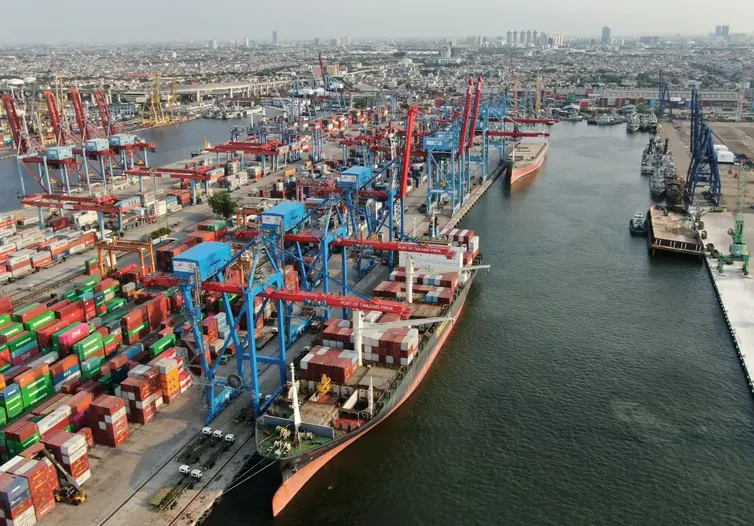
I work remotely with companies across Kuwait City and its wider urban area. Sharq, Mirqab and Qibla hold the towers of banks, investment companies and head offices. Shuwaikh combines the main commercial port, a free trade zone and a busy industrial district, while Al Rai mixes showrooms, warehouses and one of the region's large shopping malls. Salmiya and the coastal districts add dense retail and dining.
Three trade patterns stand out in the city and shape many ERP projects: supplying the co-operative societies that run neighborhood supermarkets, operating franchises of international retail and restaurant brands, and selling big-ticket goods from showrooms that deliver, install and service later. Each brings requirements that generic ERP demos rarely show.
 What I Do
My Kuwait City work usually starts by following the money through one customer channel, because that is where margin quietly leaks.

I design how orders from many co-operative branches, display and listing fees, promotional support, returns and rebates are recorded, so a supplier sees net margin per co-op rather than gross sales.

Franchise operators owe brand owners royalties and fees based on sales. I design how outlet sales feed those calculations, the reports brand owners expect and the accruals finance needs each month.

Operators running several brands across malls need outlets, brands and regions as reporting dimensions. I design that structure so each brand's results stand alone and shared costs are allocated fairly.

Showrooms selling furniture, appliances, electronics or vehicles often take payment now and deliver later. I design reservations, deposits, delivery scheduling and installation so stock and revenue stay correct.

I set up service requests, technician visits, spare parts and warranty claims back to the manufacturer, so service costs are visible and claims are not forgotten.

For importers using Shuwaikh port and the nearby free trade zone, I design stock locations, clearance status and landed cost so goods held in the zone are tracked apart from cleared stock.
My Consulting Journey
Business first, technology second. You can hire me for one step - a BRD, a gap analysis, a vendor shortlist - or for the whole journey.
How I Work
One channel at a time
 Follow a co-op order to cash
Follow a franchise sale to royalty
Follow a showroom sale to install
Collect current reports
Follow a co-op order to cash
Follow a franchise sale to royalty
Follow a showroom sale to install
Collect current reports
Write channel rules down
Define rebate and fee rules
Set brand and outlet dimensions
Script vendor scenarios
Choose the platform
Go live and reconcile
Pilot one channel first
Reconcile the first month
Train sales and finance
Extend to other channels
Kuwait City is the core of a larger urban area that wraps around Kuwait Bay and runs down the coast. Within it, business activity clusters by type. The central districts host banks, investment and holding companies, law and audit firms and the head offices of family groups. Shuwaikh, just west of the center, combines the commercial port, a free trade zone, a large industrial area of workshops and warehouses, and many showrooms. Al Rai, a short drive further out, is a mix of showrooms, distribution warehouses and large-format retail. Residential districts each have their own co-operative society supermarket and local shops.
For an ERP project, this geography often explains a company's layout. A distributor may keep its main warehouse in Shuwaikh or Al Rai, deliver daily to co-operative branches across the residential areas, and run its management team from the center. A franchise operator may have outlets in several malls, a central kitchen or warehouse in an industrial area and an office near the coast.
The group structures, three-decimal dinar and Arabic documents that apply nationwide are covered on my Kuwait ERP consultant page. This page looks instead at the trade patterns that make Kuwait City projects distinctive.
Neighborhood co-operative societies are a defining feature of Kuwaiti retail. Each residential area typically has its own co-op running a supermarket and other shops, owned by local shareholders and managed by an elected board. For food, household and personal care suppliers, the co-ops are a major channel, and they behave less like one chain than like many separate customers.
That has direct consequences for an ERP. Orders may arrive from many co-op branches, each with its own buyer and timing. Commercial terms can include listing or registration fees, display and shelf charges, promotional contributions, year-end rebates and rules on returns of expired or damaged goods. Merchandisers visit branches to fill shelves and record stock. Payments may net off deductions that need to be matched to the right invoices and agreements.
I design customer records that hold each co-op's terms, link deductions to the agreements behind them and report net margin per co-op and per product after every fee and rebate. Returns of expired goods are tracked by reason so the supply team can adjust quantities. Where merchandisers use a mobile app, I define what they record and how it reaches the ERP. My distribution industry page covers the wider route-to-market design.
Kuwait City is home to many franchise operators: local companies that hold the rights to international retail, restaurant and coffee brands and run them across the city's malls and high streets, sometimes across the wider region. A single operator may manage several brands, each with its own concept, suppliers and reporting obligations to the brand owner.
These businesses need an ERP designed around brands and outlets as well as legal entities. Sales arrive from point-of-sale systems in every outlet, often with delivery app orders on top. Royalties and marketing fees owed to brand owners are usually calculated on sales, sometimes with minimum amounts or tiered rates, and brand owners expect sales and performance reports in their own format. Approved supplier lists and imported proprietary products add purchasing rules, and mall rent may include a component based on sales that needs its own reporting.
I design brand and outlet dimensions, royalty and fee calculations with monthly accruals, and report packs for each brand owner, alongside the daily sales posting and settlement reconciliation that any multi-outlet business needs. Contract terms always come from your franchise agreements, not assumptions. The restaurants and retail industry pages describe outlet-level requirements in more depth.
Furniture, appliances, electronics, lighting, sanitary ware, vehicles and building finishes are often sold from showrooms in Shuwaikh and Al Rai. The sale and the delivery rarely happen on the same day. A customer chooses items, pays a deposit or the full amount, and waits for delivery, assembly or installation, sometimes after the goods arrive from abroad.
If the system treats this like an ordinary counter sale, problems follow. Stock is shown as available when it is already promised. Deposits sit in a suspense account nobody reconciles. Delivery teams work from paper lists, and installation visits are scheduled by phone. Revenue may be recorded before goods are delivered, which your accountant may not accept.
I design the flow from quotation to reservation, deposit, delivery scheduling, installation and final invoice, with stock reserved against each order and deposits linked to it. After-sales service follows: warranty periods by product, service requests, technician visits, parts used and claims back to manufacturers. For importers holding goods in the free trade zone, I add a clear status for stock awaiting clearance. My ERP solution design service turns these flows into a written design before configuration starts.
I work remotely with businesses in Kuwait City from India, a few hours ahead of Kuwait time, so your working day sits comfortably within mine. We fix a weekly session plan at the start, taking account of the weekend in both countries and shorter hours during Ramadan.
The people who know the trade patterns best are often outside the office: merchandisers visiting co-ops, outlet managers in malls, delivery supervisors and service technicians. I keep their sessions short and practical, using photos of delivery notes, co-op deduction statements, royalty reports and job sheets to see how work really happens.
My recommendation is to pilot one channel first, such as co-op supply or one franchise brand, reconciling a full month and then extending to the others. That limits risk and gives finance a working example before the busier channels move. Every phase is planned to run remotely; meeting in person stays an option by arrangement for a session where it matters. The Kuwait hub lists my other services, and the contact page is the easiest way to tell me which channels you sell through.

Tell me about your business and current systems. I’ll suggest the most sensible first step.
Book a Consultation
Not sure which ERP you need?
Share your business requirements with me and I will help you understand the right process, architecture and platform before implementation.
FAQ
Record each co-op's commercial terms on its customer record, accrue rebates as sales happen and link every deduction on a payment to the agreement behind it. Reports then show net margin per co-op and per product. I design the rules from your actual agreements, since terms often differ from one co-op to the next.
Yes, if outlet sales are captured by brand and the royalty terms are modeled correctly, including minimums or tiers where your agreement has them. The system then accrues royalties monthly and produces the report pack each brand owner expects. I build the logic from your franchise agreements and test it against past statements.
Through a sales order that reserves stock, records the deposit and moves through delivery scheduling, installation and final invoicing. Stock stays correctly committed, deposits are linked to orders and revenue timing follows your accountant's guidance. After-sales service and warranty claims then hang off the same order.
Workshops run online, with shared documents and short recordings from your teams in the field. An in-person session in the city is possible by arrangement when it clearly earns its place, such as a channel design review with several managers, but no stage of the project depends on travel.
Every business is different. Share where you are today and what you want to fix, and I’ll tell you honestly whether and how I can help.
Book a Consultation
Insights
 Book a Consultation
Book a consultation to talk through your processes, systems and goals. I’ll reply with practical next steps - no obligation.