Contact Info
 Mumbai
How does an Odoo consultant help a Mumbai manufacturer?
Many manufacturers managed from Mumbai run plants in the chemical and engineering clusters around Dombivli, Ambernath, Taloja, Tarapur, Thane-Belapur and Vasai. An Odoo consultant designs how Odoo handles their lots and quality checks, purchase and sale units, outsourced operations, several group companies and head office dashboards. I do this as a freelance, independent advisor, working remotely alongside your chosen implementer.
Last reviewed by Vikas Saroj
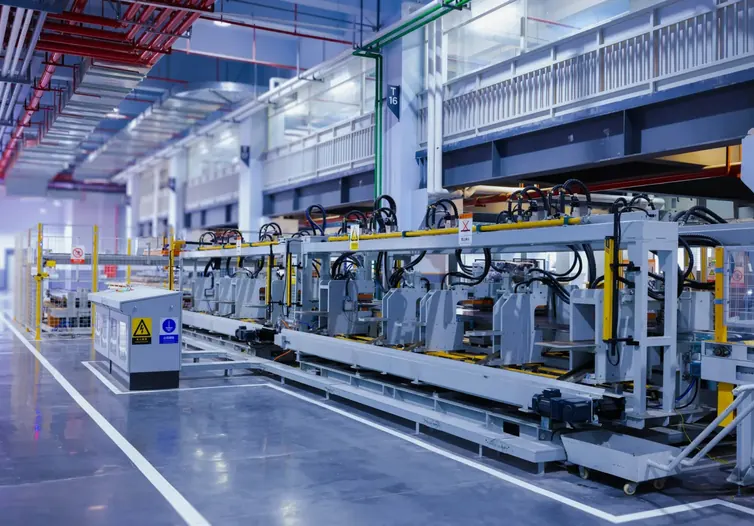
The industrial estates around Mumbai are home to specialty chemical makers, engineering and fabrication shops, plastics and packaging units, and contract manufacturers for consumer brands. Their owners and finance teams are often in the city, while production happens an hour or more away. Odoo's modular design suits businesses like these, because they can start with stock and accounts and add manufacturing as they grow.
I work as a freelance Odoo consultant, remotely and independently. I map your production and stock flows, design how Odoo should model them, and guide the implementer or in-house team that builds it, so the system matches how your plant actually runs.
 What I Do
Each area below is where a Mumbai-run plant tends to need careful Odoo design before configuration begins.

For chemical and process manufacturers, I design lot numbering, quality checks before dispatch, certificate of analysis records and traceability from supplier lot to customer shipment.

Raw materials bought in tankers, drums or bags and products sold in kilograms, litres or packs need clean conversions. I design unit categories and packaging so stock and costing stay consistent.

Machining, plating, galvanizing, painting and toll processing are often sent to nearby vendors. I design how Odoo tracks material sent out, work done and cost added at each outside step.

For fabrication and engineering shops, I map how a customer order becomes a bill of materials, drawing revisions, purchase needs and production orders, with cost tracked against the order.

Where a promoter group runs several companies, I decide what belongs in one Odoo database, what stays separate, how inter-company sales work and who can see what.

I review requests for custom modules against standard Odoo features, keep a register of what was customized and why, and assess the upgrade cost before you approve new development.
How I Work
See how the plant really runs
 Video walk-through of the plant
Collect batch and job cards
Trace one order end to end
List outside vendors and steps
Video walk-through of the plant
Collect batch and job cards
Trace one order end to end
List outside vendors and steps
Translate the plant into Odoo
Design products, units and routes
Define lots and quality points
Map subcontracting flows
Set company and access structure
Support build and launch
Review implementer configuration
Challenge custom development
Test with real production orders
Build head office dashboards
Drive out of Mumbai in almost any direction and you reach an industrial estate. Dombivli and Ambernath have long been associated with chemical and dye units. Taloja and Tarapur host chemical, pharmaceutical and engineering plants. The Thane-Belapur belt and the Vasai-Virar area are home to many engineering, plastics and packaging businesses. A good number of these plants are managed by owners and finance teams who work from Mumbai itself.
That arrangement shapes what Odoo needs to do. The plant needs simple screens for stores, production and dispatch staff who may have limited time for data entry. The head office needs reliable visibility of stock, work in progress, quality status and margin without phoning the plant manager every morning. Accounting needs the cost of production to arrive correctly, not reconstructed at month end.
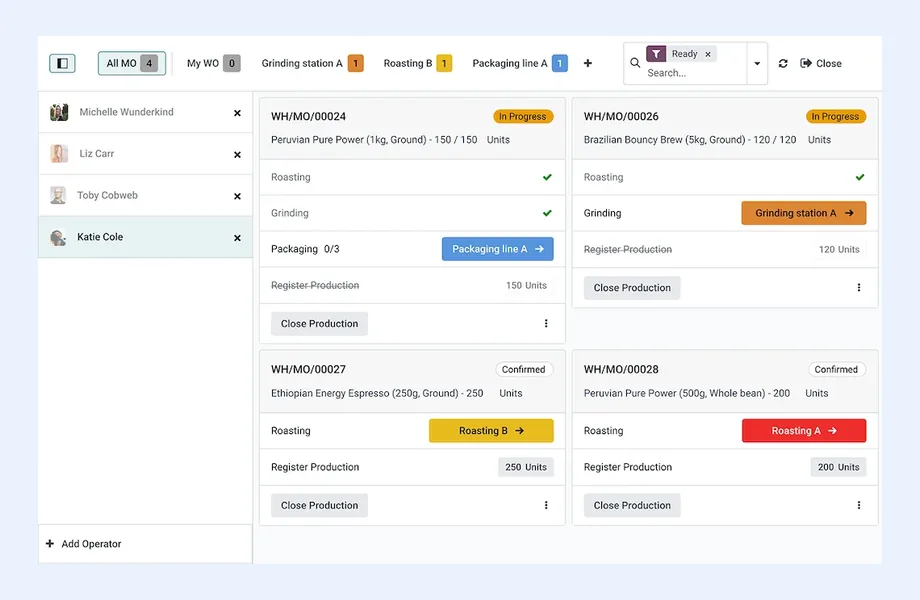
Odoo's modular structure helps here. A business can begin with inventory, purchase, sales and accounting, then add Odoo Manufacturing, quality and maintenance as its processes mature. The order of adoption matters, and deciding it is one of the first things I do with you.
Chemical and process manufacturers around Mumbai share a set of requirements that a generic setup handles poorly. Raw materials may arrive by tanker, in drums or in bags, while products leave in kilograms, litres, cans or customer-specific packs. Each incoming and outgoing lot must be traceable, because a customer complaint needs to be traced back to the supplier batch quickly. Many customers expect a certificate of analysis with each shipment.
In Odoo, this means careful unit of measure categories and conversions, lot tracking switched on for the right products, and quality checks placed at receipt and before dispatch. Some quality features depend on the Odoo edition, so I confirm what your edition includes before designing around it. Product safety documents can be attached to products for reference, while formal regulatory compliance stays with your specialists.
Costing deserves attention too. Process losses, by-products and rework affect real cost, and the design must decide how they are recorded so that the margin figures head office sees are believable. I test these flows with your actual batch records during solution design.
Engineering and fabrication businesses in the Thane-Belapur and Vasai areas often build to order. A customer sends a drawing or specification, the shop prepares a quote, and once the order is won it becomes a set of materials to buy, parts to make and operations to complete. Drawings change during the job. Part of the work, such as machining, plating, galvanizing or painting, is usually sent to specialist vendors nearby.
These outside steps are where costing and stock control often break down. Material leaves the shop on a delivery challan, comes back days later with value added, and the cost of that work arrives on a separate bill. If the system does not link all three, the job's real cost is unknown.
I design how Odoo records material sent to subcontractors, how returned goods are received and inspected, and how the vendor's charge attaches to the right production or customer order. For drawing revisions, I check whether the standard features in your edition are enough or whether a simple document control process outside Odoo is the better choice. The aim is a job cost the owner trusts. My broader approach to this sector is on the engineering ERP page.
Mumbai promoter groups often run a manufacturing company, a separate trading company that sells its products, and perhaps a further entity for exports or a newer product line. Odoo can hold several companies in one database, with shared products and contacts where useful and separate books for each company.
That flexibility needs rules. Which products and customers should be shared, and which kept apart? When the manufacturing company sells to the trading company, should Odoo create the matching purchase automatically? Who in the group can see which company's figures, and how are approval rights split? How will promoters see a combined view without the finance team building it by hand each month?
I answer these questions in a written design before configuration starts, because changing a multi-company structure after go-live is difficult. Statutory consolidation and transfer pricing questions are referred to your CA; the design ensures the data they need is available. The general patterns are described on my multi-company ERP page, and the Indian GST and e-invoicing setup for Odoo on the Odoo consultant India page.
Odoo is easy to extend, and many implementers will happily write custom modules for every request. Each one adds cost at the next version upgrade, and a heavily customized database can become expensive to move forward. For a Mumbai head office managing plants it rarely visits, that risk often stays hidden until an upgrade quote arrives.
I keep a register of every customization: what it does, why standard features were not enough, and what it will likely mean for upgrades. Before you approve new development, I check whether configuration, a different process or a well-supported community module would do. Hosting choices, whether Odoo's own hosting, its platform service or your own servers, are reviewed against your team's ability to maintain them.
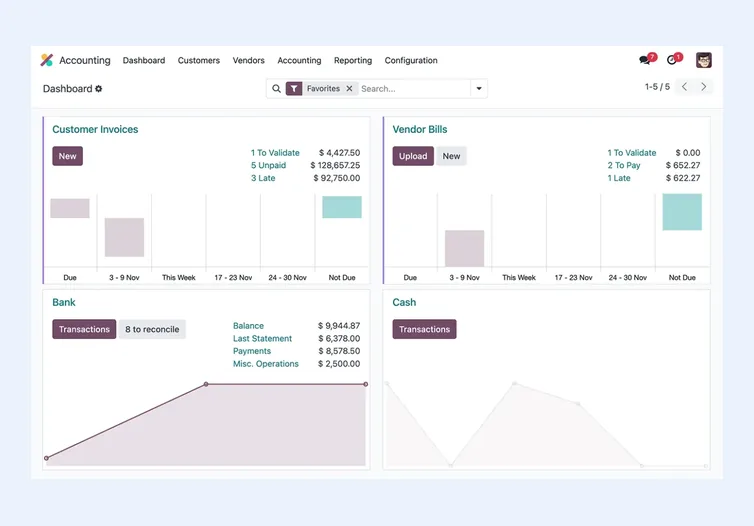
The final piece is visibility. I design a small set of head office dashboards showing stock by plant, open production orders, quality holds, receivables and margin by product line, so promoters can follow the plants from the city. All of this is delivered remotely, with a plant visit by arrangement when it would help. For the wider Mumbai picture, see the Mumbai ERP consultant page.

Tell me about your business and current systems. I’ll suggest the most sensible first step.
Book a Consultation
Not sure which ERP you need?
Share your business requirements with me and I will help you understand the right process, architecture and platform before implementation.
FAQ
Odoo supports lot tracking, and quality checks can be placed at receipt and before dispatch, although some quality features depend on your edition. I confirm what your edition includes, design lots and checks around your batch records, and test traceability from supplier lot to customer shipment before go-live.
Yes, if units of measure are designed carefully. I set up unit categories, conversion factors and packaging so purchases, stock and sales stay consistent. Losses and density-related differences are handled through clear rules agreed with your production and accounts teams.
Odoo can record material sent to a subcontractor, its return and the vendor's charge. I design the flow so each outside step links to the right production or customer order, which gives a realistic job cost instead of one assembled from separate bills later.
Often yes. Odoo supports several companies in one database with shared or separate data. I design what is shared, how inter-company sales work and who sees which figures, and how promoters get a combined view. Consolidation and transfer pricing questions go to your CA, and the design makes sure the data they need is there.
It depends on your customizations, your IT capability and how you want upgrades handled. Hosted options reduce maintenance; self-hosting gives more control but needs someone to look after servers, backups and upgrades. I compare the options against your situation before you decide.
Every business is different. Share where you are today and what you want to fix, and I’ll tell you honestly whether and how I can help.
Book a Consultation
Insights
 Book a Consultation
Book a consultation to talk through your processes, systems and goals. I’ll reply with practical next steps - no obligation.