Contact Info
 Mumbai
What do Mumbai businesses need from an ERP consultant?
Mumbai is home to trading houses, textile and garment firms, pharmaceutical head offices, port-linked logistics companies and financial businesses. Their ERP needs center on deal-level margin, import costing, job work, batch control and head office oversight of distant plants. An independent consultant turns those needs into requirements, compares platforms and oversees delivery. I work remotely in the same time zone, with visits by arrangement.
Last reviewed by Vikas Saroj
I work remotely with businesses in Mumbai, including commodity and chemical traders, textile and garment companies, pharmaceutical firms that run plants outside the city, and logistics operators serving the port. Because we share a time zone, sessions fit inside your normal working day. Visits to your premises can be arranged when a particular workshop needs it.
A Mumbai business is often run by a small head office team close to customers, banks and the market, while goods are made, stored or shipped somewhere else. The ERP has to give that team control over orders, stock, margin and cash that they cannot see directly. I design for that gap before comparing any software.
 What I Do
From trading floors to pharma plants run from a city head office, these are the areas where I most often help Mumbai companies.

For traders in chemicals, metals, commodities and consumer goods, I design deal-wise purchase and sale matching, back-to-back orders, broker commissions and margin reporting, so owners see profit by deal instead of by month.

I map how supplier invoices in foreign currency, customs duty, clearing charges and freight are captured and allocated to stock, and how currency movements between order and payment show up in margin.

Fabric moves between weavers, processors, printers and stitching units before it becomes saleable stock. I design job work issue and receipt, process losses, design and shade variants, and costing across each stage.

For pharmaceutical companies, I specify batch and expiry control, quality hold and release, formula-based production and the documentation trail your quality team needs, while regulatory systems stay with specialists where appropriate.

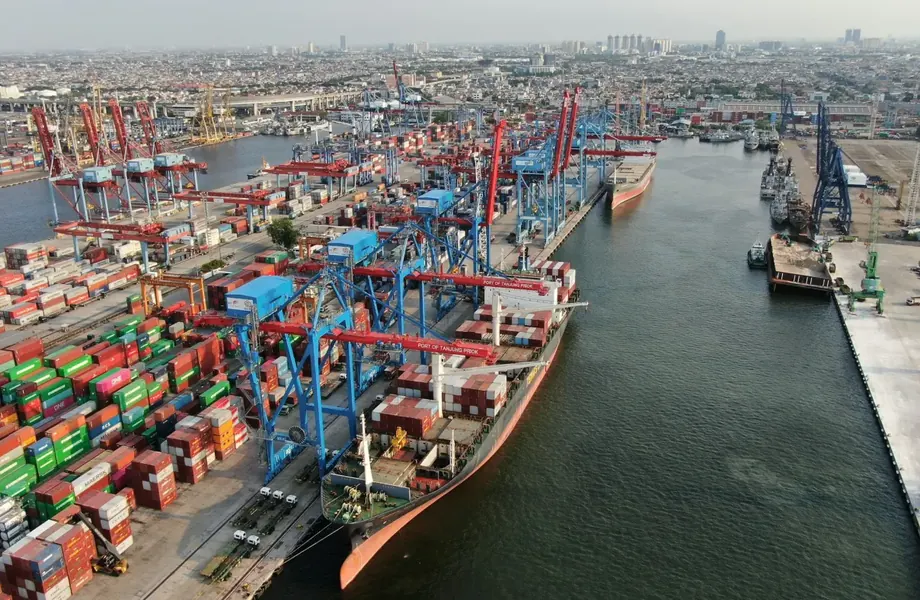
For freight forwarders, customs brokers and transporters serving the port, I map job-wise costing, container and shipment tracking, billing for each service line and integration with customer and carrier systems.

Mumbai companies are approached by many implementers. I compare their proposals against your written requirements, check that critical workflows are demonstrated with your data, and help you avoid paying for customization you do not need.
My Consulting Journey
Business first, technology second. You can hire me for one step - a BRD, a gap analysis, a vendor shortlist - or for the whole journey.
How I Work
Understand deals, flows and sites
 Trace a deal from inquiry to payment
Map stock across godowns and processors
Review costing and margin reports
Note what owners check daily
Trace a deal from inquiry to payment
Map stock across godowns and processors
Review costing and margin reports
Note what owners check daily
Requirements, shortlist and design
Write industry-specific requirements
Compare platforms with real transactions
Design item, batch and location masters
Plan customs and freight data flows
Oversee build, testing and launch
Monitor implementer milestones
Test deal, job work and batch flows
Verify opening stock at each site
Support head office reporting
Mumbai is a commercial and financial center in the plainest sense: the place where many companies keep their head office, their bankers and their key customers, even when their factories are far away. Banks, NBFCs, brokers and insurers sit alongside long-established trading houses dealing in chemicals, metals, textiles, diamonds and commodities. Pharmaceutical companies run corporate offices here while manufacturing in Maharashtra, Gujarat and beyond. The port at Nhava Sheva and the warehousing belt around Bhiwandi support a large logistics trade, and media and entertainment add another distinct sector.
These businesses share a city but not a set of ERP requirements. A trader thinks in deals and margins. A pharma company thinks in batches, quality release and documentation. A textile firm thinks in fabric moving between job workers. A forwarder thinks in shipments and jobs. Choosing a platform without first identifying which of these models you run is the most common reason I see for a poor fit.
Topics that apply across India, such as GST, e-invoicing, e-way bills and moving off Tally, are covered on my India ERP consultant page. Here I focus on what Mumbai's industries add.
Many Mumbai trading businesses still run on a combination of accounting software, a deal register in a spreadsheet and the memory of the owner. That works until volumes grow, a second generation joins, or bankers ask for better stock and receivables statements. At that point the business needs a system that records each deal from purchase to sale and shows the margin on it.
The requirements are specific. Purchases and sales may be matched back to back, or stock may be held and sold in parts. Brokers and agents earn commission on either side. Imported goods carry foreign currency invoices, customs duty, clearing and freight charges that must be loaded onto cost. Prices move with the market, so stock valuation and price lists need care. Credit limits, post-dated checks and collection follow-up are part of daily life.
I document these flows using my trading ERP framework and test each shortlisted platform with real deals from your books. The question I ask in every demo is simple: can the owner open one screen and see which deals made money, which customers owe what, and what stock is committed? If the platform cannot answer that cleanly, it is not right for a Mumbai trading house, however good its other features look.
Pharmaceutical companies in Mumbai typically manage plants, loan licensees or contract manufacturers from the city. Their ERP needs formula-based production, batch numbering, expiry dates, quality hold and release before stock can be sold, and a full documentation trail from raw material receipt to dispatch. Export-focused companies add country-specific packaging and documentation. Validation of computerized systems and other regulatory obligations are usually handled with specialist support, and I make sure the ERP design leaves room for them. My pharmaceutical ERP page explains the requirements I start from.
Textile and garment companies face a different challenge. Yarn or fabric is sent out to weavers, dyers, printers and stitching units, often several in sequence, and comes back with losses, rejections and changes in form. Tracking what is with which job worker, at what stage and at what cost, is the heart of the system. Designs, shades and sizes multiply the item list quickly, so the item structure must be designed carefully from day one.
In both industries, head office wants the same thing: reliable visibility of stock, work in progress and cost at sites they rarely visit. I design reporting around that need, then work with your implementer through ERP implementation oversight so it is actually delivered.
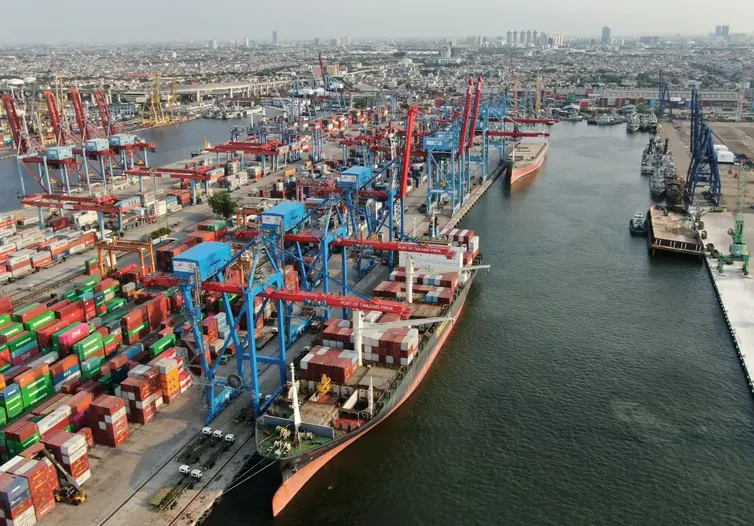
The container traffic through the port at Nhava Sheva supports a large community of freight forwarders, customs brokers, transporters, container freight stations and warehouse operators across Navi Mumbai, Bhiwandi and the surrounding region. For these companies the unit of work is a job or a shipment, not a product. Each job carries costs from carriers, the port, transport and customs, and the business bills its customer for several services against it.
A generic ERP rarely fits this out of the box. The requirements include job creation linked to customer bookings, cost and revenue captured against each job, container and shipment milestones, billing in multiple currencies, and agent settlements with overseas partners. Many operators also need a customer portal or tracking updates, and integration with shipping lines and customs filing tools.
I help these businesses decide whether a configurable ERP, a specialist logistics system or a combination is the better route, using my logistics ERP framework. Importers and exporters on the other side of these shipments benefit from the same thinking: when freight and clearing data flows into the ERP cleanly, landed cost and delivery promises become far more reliable.
Sharing IST makes remote work with Mumbai companies straightforward. Workshops, demos and testing sessions run in your normal business hours, and short follow-up calls can be arranged the same day when a question comes up. Owners who prefer quick conversations to long meetings can have them.
Most of the engagement runs online: process discussions over video, requirement documents and process maps shared for comment, and a tracker that shows open decisions. For trading and textile businesses I often ask for sample documents, such as a deal register, a job work challan or a costing sheet, which tell me more about real practice than any interview.
When a visit to your head office, a godown or a plant would make a real difference, such as for a kickoff with family members and senior staff or a walk-through before go-live, I am happy to plan one ahead of time, though the project does not hinge on it. If you are considering a new system for your Mumbai business, contact me to discuss it, or read more about my work across the country on the India overview.

Tell me about your business and current systems. I’ll suggest the most sensible first step.
Book a Consultation
Not sure which ERP you need?
Share your business requirements with me and I will help you understand the right process, architecture and platform before implementation.
FAQ
I work remotely with Mumbai businesses as an independent, India-based consultant. With no time difference, sessions run in normal working hours. A visit to your head office, godown or plant is possible when planned ahead for a particular milestone, but the engagement does not depend on it.
Yes, if it is designed for it. Purchases and sales need to be linked to a deal or lot, with import costs, commissions and other charges loaded correctly. Platforms vary in how naturally they support this, so I test it with your real transactions during demos.
Yes. I design how fabric or yarn is issued to job workers, tracked through each process and received back with losses and rejections, and how cost builds up across stages. I also design the item structure so designs, shades and sizes stay manageable.
I design batch, expiry, quality release and documentation flows so the ERP supports your quality system. Formal validation and regulatory interpretation stay with your quality team and specialist advisors, and I make sure the design and vendor choice support their needs.
It depends on how much of your work is job-based operations versus finance. Many forwarders use a specialist operations system connected to an ERP for accounting; others manage with a well-configured ERP. I compare both routes against your requirements.
Every business is different. Share where you are today and what you want to fix, and I’ll tell you honestly whether and how I can help.
Book a Consultation
Insights
 Book a Consultation
Book a consultation to talk through your processes, systems and goals. I’ll reply with practical next steps - no obligation.