Contact Info
 Kolkata
How can an ERP consultant help a Kolkata business?
A Kolkata ERP consultant helps distributors, carrying and forwarding agents, tea companies, jute mills and Howrah engineering firms that supply eastern and north-eastern India. Typical needs include stock held for principals, tea costed garden by garden across auction and private sales, jute grading and mill yields, and replacing aging in-house software without losing the rules buried in it. I document and plan that transition remotely.
Last reviewed by Vikas Saroj
I work remotely with businesses in Kolkata, the commercial gateway for eastern and north-eastern India. Distributors and stockists here supply Bihar, Odisha, Jharkhand, the north-east and neighboring countries, tea companies run estates in Assam, Darjeeling and the Dooars from city head offices, and jute mills line the Hooghly. Foundries, fabricators and engineering firms fill the industrial areas around Howrah.
Many of these companies are long-established family groups, and some still run software written for them long ago by an in-house programr or a local developer. When that system can no longer keep up, they need someone to document what it actually does, decide what should replace it and manage the move without losing the knowledge built into it.
 What I Do
Kolkata engagements often combine long supply lines, stock owned by someone else and an older system that holds rules nobody has written down.

I design depot, stockist and route structures for distributors serving several eastern states and the north-east, including long transit times, stock in transit and credit control for customers who are far from the warehouse.

For agents who hold a principal's stock and dispatch it to distributors, I design how goods received, dispatched, damaged and returned are reported to each principal, and how service charges and claims are tracked.

I design how green leaf from estates and bought-leaf suppliers becomes made tea by grade, how lots move to warehouses and on to auction or private sale, and how cost is reported garden by garden.

For jute mills, I design raw jute purchase by grade, batching and spinning yields, conversion into sacking, hessian and other products, and the inspection and dispatch steps that large institutional buyers expect.

For fabricators, foundries and equipment makers, I set up order-based costing, drawing and material control, inspection records and stage-wise billing, so each order shows its real cost and margin.

I document what an older in-house system really does, including its unwritten rules and the reports people depend on, then plan extraction, cleanup and a staged move so nothing important is lost.
My Consulting Journey
Business first, technology second. You can hire me for one step - a BRD, a gap analysis, a vendor shortlist - or for the whole journey.
How I Work
Understand the business and current system
 Interview owners and department heads
Document current system behavior
Collect reports people rely on
Trace goods from receipt to collection
Interview owners and department heads
Document current system behavior
Collect reports people rely on
Trace goods from receipt to collection
Choose the target design and platform
Write numbered requirements
Map old reports to new
Compare platforms on real cases
Plan data extraction and cleanup
Move safely and keep control
Run parallel checks where needed
Reconcile balances by depot
Train staff by role
Review after the first close
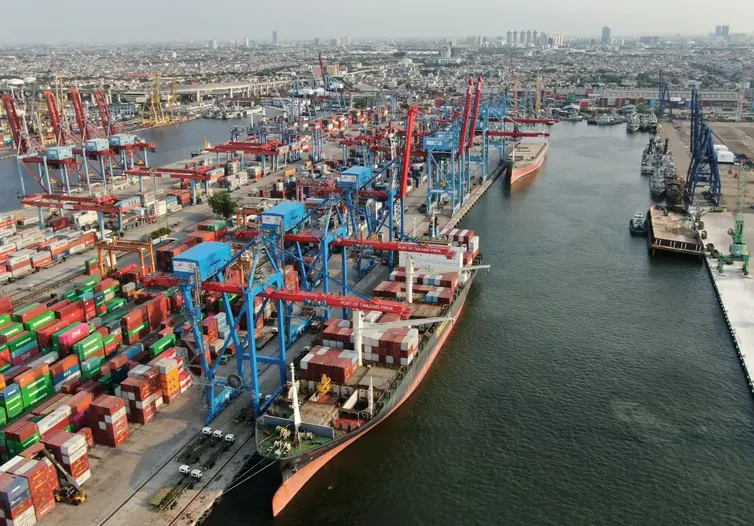
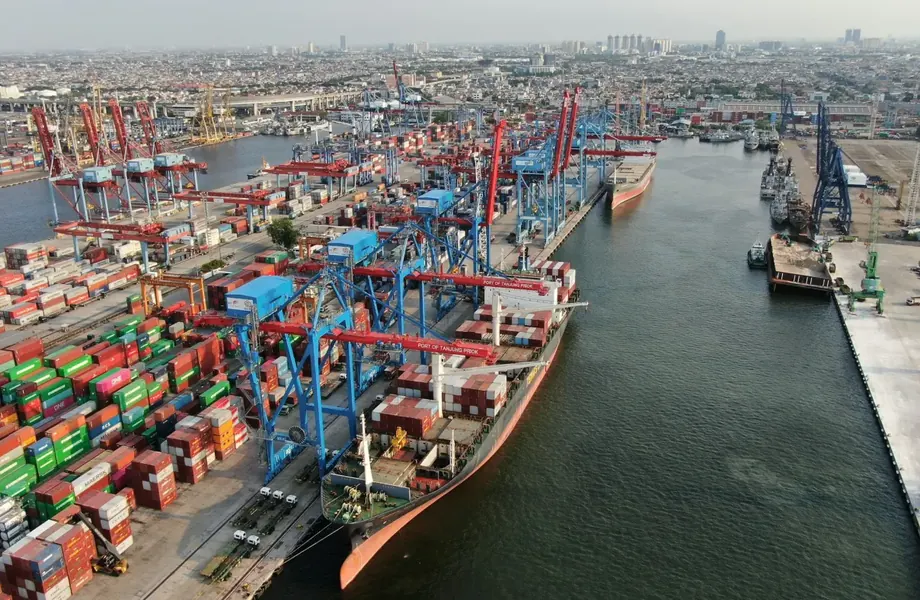
Kolkata has long been the commercial center of the east. Much of the trade with Bihar, Jharkhand, Odisha and the north-eastern states, and with Nepal, Bhutan and Bangladesh, is organized from the city. The port, with its dock system in the city and a deeper-water complex downstream at Haldia, handles cargo for the region and transit cargo for Nepal and Bhutan. Consumer goods, pharmaceutical and industrial companies often appoint carrying and forwarding agents and super stockists here to manage regional distribution.
For ERP design, distance and fragmentation are the defining features. Goods bound for the north-east travel a long way, through the narrow corridor around Siliguri, before they reach customers. Transit times are long and variable, and stock in transit can be a large part of the total. Customers are spread over a wide area, sales teams spend their days on the road, and collections need close attention. A system that only knows warehouse stock and invoiced sales will understate both inventory and credit risk.
I design for these realities: stock in transit as its own state, depot and route structures, and credit limits with collection follow-up by territory. My wholesale page sets out the general model, and the compliance topics that apply nationally are on my India ERP consultant page.
A carrying and forwarding agent does not own most of the stock it handles. It receives goods from a principal, stores them, dispatches them to distributors on the principal's instructions and earns a service charge. Its own system has to track the principal's stock accurately, report receipts, dispatches, damages and returns in the format the principal asks for, and keep a separate record of the agent's own income and expenses. Many agents work for several principals at once, each with different reporting expectations.
Super stockists and distributors who own their stock have different needs: schemes and discounts passed down from the company, claims against those schemes, handling of expired and damaged goods, and van or route sales to retailers. For businesses serving the north-east, I also look at how depot stock is replenished and how long-distance freight is costed against each consignment.
The design work is mostly about ownership and reporting. I separate principal stock from own stock, define the reports each principal needs, and decide whether a distributor management system supplied by the company should feed the ERP or sit alongside it. I then test shortlisted platforms on these scenarios through ERP vendor selection, because platforms differ widely in how they handle stock held on behalf of others.
Tea companies headquartered in Kolkata often manage estates far from the city. Each garden plucks green leaf, may buy leaf from small growers nearby, and manufactures made tea in its own factory. The output is sorted into grades, packed into lots, sent to warehouses and sold through auctions via brokers or through private sales and exports. Management wants cost per kilogram of made tea by garden, yield from green leaf, and price realization by grade and channel.
Gardens also carry a large resident workforce with plantation-specific wage and welfare obligations, along with field work such as pruning, plucking rounds, manuring and replanting. I usually recommend separating what the ERP must do, namely finance, stores, procurement, sales and garden costing, from what a specialist plantation or payroll tool does better, and then defining the data that passes between them.
Jute mills along the Hooghly buy raw jute by grade, blend it in batching, spin it into yarn and weave sacking, hessian and other products. Yields and wastage at each stage drive cost, and a large share of sacking goes to public foodgrain procurement, which brings its own inspection and dispatch requirements. I design production stages, grade-based purchasing and yield reports so the mill sees cost by product. My food and beverage page is relevant to tea packers and blenders.
The engineering base around Kolkata and Howrah includes foundries, structural fabricators, makers of railway and electrical equipment, and general machine shops. Much of this work is made to order against a drawing and a specification, often for large industrial buyers who inspect at stages and pay against milestones. The ERP needs order-wise material and labor costing, drawing revision control, inspection records and billing linked to stages, so each order shows its true margin. My engineering page covers the model in more detail.
Across these sectors, a striking number of long-established groups run software written for them many years ago. It often works, and staff know it well, but it may depend on one programr, lack proper controls or fail to connect with banks and newer tools. Replacing it is as much a knowledge exercise as a software project, because the old system holds rules that nobody has written down.
I start with a structured review of the current system along the lines of an ERP health check, documenting what it does and which reports people rely on, then plan extraction and cleanup through ERP data migration. Running old and new side by side for a short period is sometimes worth the effort, and I help decide when it is.
I work remotely with businesses in Kolkata as an India-based independent consultant. Being in the same time zone means sessions fit within your working day, and I plan the calendar around your busy periods, such as the main plucking season for tea companies or the festival rush for distributors.
Engagements involving senior family members often work best with a small number of decision meetings and separate working sessions with accounts, depot and production staff. I ask for real material early: a principal's stock statement, an auction account sale, a garden cost sheet, a jute batching report, or printouts of the reports your old system produces. Those documents become the basis for current and future process maps, a numbered requirement list, a side-by-side test of candidate platforms using Kolkata cases from your business, and a running record of why each choice was made.
Where a visit to your head office, a depot or a mill would add real value, we can agree one by arrangement around a chosen stage; the work itself never waits on it. My broader approach for Indian companies is on the India overview, and you can get in touch whenever you want to talk through a replacement or a first ERP.

Tell me about your business and current systems. I’ll suggest the most sensible first step.
Book a Consultation
Not sure which ERP you need?
Share your business requirements with me and I will help you understand the right process, architecture and platform before implementation.
FAQ
Yes, if principal stock is kept separate from your own. Depending on the platform, that can be done through separate companies, ownership settings or dedicated locations. I design the structure and the principal reports, then test them with one of your real stock statements before you choose a system.
Often one ERP for finance, stores, purchasing, sales and garden costing works well, with field operations and estate payroll in a specialist tool if the ERP is weak there. The connection between them matters more than the brand. I map both sides before recommending a platform.
Start by documenting what it really does: the reports people use, the calculations and checks built into it and the quality of the data inside it. That inventory becomes the requirement baseline and the migration plan, so the new system replaces the knowledge in the old one, not just its screens.
I work remotely with Kolkata businesses from India, in the same time zone. Most of the project runs on video calls and shared documents. If meeting at your head office, a mill or a depot would genuinely help at a particular stage, a visit can be planned by arrangement, without the project relying on it.
Every business is different. Share where you are today and what you want to fix, and I’ll tell you honestly whether and how I can help.
Book a Consultation
Insights
 Book a Consultation
Book a consultation to talk through your processes, systems and goals. I’ll reply with practical next steps - no obligation.