Contact Info
 India
India
How can an ERP consultant help Indian brands and their distributors?
In India, a distribution ERP consultant designs how a brand's channel works in software: C&F agents and depots in each state, super stockists and distributors, salesmen on daily beats, retailer schemes and the claims that follow. I map the chain from factory to kirana store, define DMS, salesman app and ERP requirements, test platforms against real schemes and guide rollout across states.
Last reviewed by Vikas Saroj
I work remotely with both sides of Indian distribution: brand companies that sell through C&F agents, super stockists and distributors, and the distributors who service kirana stores, chemists, hardware shops and modern trade outlets on daily beats. Both sides usually keep accounts in Tally, while orders travel through a salesman app, a DMS or messaging groups.
The brand wants to see secondary sales to retailers and control how trade schemes are spent. The distributor wants clean stock, timely collections and claims settled without a fight. When each side keeps its own records, scheme claims turn into monthly disputes and nobody trusts the sell-through numbers. I map the full chain, then design an ERP and DMS setup both sides can work with.
 What I Do
I help brands and their distributors agree on one version of stock, sales and scheme spend, from the depot down to the outlet.

I document how goods move from factory or importer to C&F agents, super stockists, distributors and outlets, who owns stock at each level, and which documents and tax events occur at every handover.

Beat plans by salesman and weekday, outlet classification, order booking on the salesman app, productive call rules and how orders reach the distributor for billing and next-day delivery.

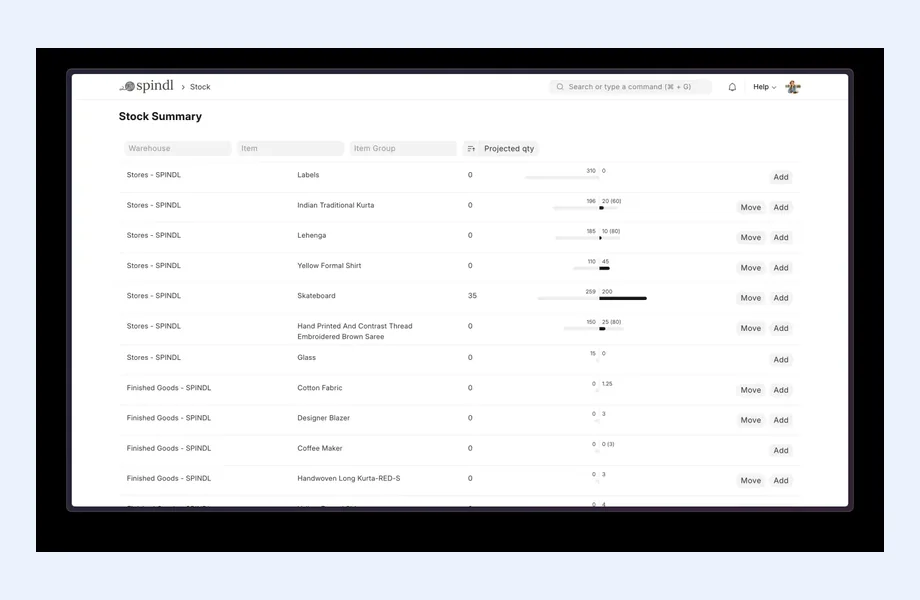
What distributors must record in the DMS, from billing and stock to collections and returns, and how secondary sales sync to your ERP so the brand sees outlet-level demand without chasing files.

Quantity, slab, display and retailer loyalty schemes written as rules with eligibility, validity and funding, so the system applies them at billing and claims can be validated from transactions.

A claim cycle covering scheme reimbursement, damaged and expired goods, price-drop and transport claims, with evidence from the DMS and credit notes issued under the tax treatment your advisor confirms.

I compare ERP, DMS and SFA options against your channel, review vendor and implementer proposals and support a phased rollout across states and distributor groups.
What to Measure
An ERP for distribution should make these numbers available without a spreadsheet. I design the data model and reports around them from the start.
Platform Fit
How I Work
Factory to kirana
 Channel levels and stock owners
Beat and outlet coverage
Active schemes and claims
Tally and DMS landscape
Channel levels and stock owners
Beat and outlet coverage
Active schemes and claims
Tally and DMS landscape
One rule book, many partners
Scheme and claim rules
State-wise registration setup
Distributor onboarding plan
SFA and DMS fit-gap
Pilot state, then expand
Pilot with chosen distributors
UAT on scheme billing
Salesman and distributor training
State-by-state rollout
A consumer goods brand in India rarely sells to the outlet itself. A common chain is factory -> C&F agent or depot in each state -> super stockist or distributor -> retailer -> consumer, with sub-stockists or wholesalers added for rural markets. Modern trade chains and e-commerce platforms are often served separately by key account teams. Every level holds stock, raises or receives invoices and expects its margin and its schemes.
The brand's primary sale is to the distributor or super stockist. The distributor's sale to outlets is the secondary sale, and what the outlet sells to shoppers is tertiary. Targets, incentives and scheme budgets are usually set on secondary sales, yet the brand's own ERP only records primary. That gap is the reason distributor management systems exist.
When I map this chain, I note who owns stock at each level, where invoices are raised, which GST registration each transaction falls under and which data the brand needs from each partner. Brands also differ in how much control they want: some mandate a DMS for every distributor, others accept a monthly upload. Those choices shape solution design and distributor onboarding more than any software feature does.
Field execution in Indian distribution runs on beats. Each salesman has a fixed set of outlets for each day of the week, visits them, checks shelf stock, books orders on an app and passes them to the distributor for billing and delivery. Supervisors watch productive calls, lines per call and outlet coverage. Where the app and the distributor's billing system are not connected, orders are typed twice and secondary sales data arrives late or not at all.
The requirements I write for this layer include:
With this in place, a sales head can see secondary sales by state, distributor, beat and outlet without waiting for month end. For product-level options, see Zoho Inventory in India and Odoo Inventory in India.
Schemes are how Indian brands push volume through the channel: buy a quantity and get free goods, slab discounts on monthly purchases, display incentives for retailers, consumer offers funded by the brand and passed on at the counter. Distributors run the schemes and claim the cost back. When rules circulate as PDFs and claims are built in spreadsheets, the brand questions every claim, the distributor waits for settlement and trust wears thin.
I write a scheme rule book the system can execute: eligibility by outlet class and region, validity period, qualifying products, benefit type and funding source. The DMS applies the scheme at billing, so the claim becomes a report rather than a file someone assembles. The claim process then sets approval levels, required evidence, deductions for unverified items and settlement through credit notes.
The GST treatment of schemes, free goods and post-sale discounts depends on specific conditions, so I flag each scheme type for review by your chartered accountant before it is configured. Damaged and expired stock claims, price-drop claims and transport claims follow the same pattern. Clear claim rules are often the quickest win in a distribution project, which is why I take them up early in requirements gathering.
A brand that keeps a depot or C&F location in a state typically registers for GST there too. Stock moving from a factory in one state to a depot in another is generally treated as a supply between separate registrations and needs proper documents for the goods in transit, unlike a move inside one registration. The ERP must treat each registration as its own unit for tax purposes and produce transfer documents correctly. I document the structure and leave the interpretation to your tax advisor.
On the distributor side, Tally is almost everywhere and handles accounts well. The gap is everything around it: beat-wise billing, scheme application, collections by delivery staff and returns from outlets. Some brands provide a DMS that sits beside Tally; others move larger distributors onto a shared ERP. I evaluate both routes with you.
Migration priorities are the outlet master with beats and geo-tags, open distributor balances and pending claims, stock by depot and distributor, and active schemes. Rollouts are timed away from the month-end billing push, when distributors are busiest. The Indian ERP consultant page and the India hub describe my remote way of working in more detail.
DMS and SFA vendors in India often bundle consulting with their product, and ERP implementers may propose their own add-on for schemes. Each answer can work, but each also pulls the design toward the product being sold. I start from your channel instead: how many levels it has, how much control you want over distributors, how schemes are funded and how claims are proven. Then I test which mix of ERP, DMS and salesman app fits, including whether existing tools simply need better rules rather than replacement.
For distributors, the same independence helps in a different way. A distributor carrying several brands may be asked to use a different DMS for each principal. I help design a setup where brand portals and the distributor's own accounts can coexist with as little double entry as possible, and where the distributor's own margin by brand stays visible. My broader take on beat-to-cash design is on the distribution ERP page.

Tell me about your business and current systems. I’ll suggest the most sensible first step.
Book a Consultation
Not sure which ERP you need?
Share your business requirements with me and I will help you understand the right process, architecture and platform before implementation.
FAQ
An ERP runs the brand's own operations: purchasing, production or imports, depots, primary sales and finance. A DMS runs the distributor's billing, stock and collections and sends secondary sales back to the brand. Some businesses run both, others extend the ERP to distributors. I help you decide which model fits your channel and level of control.
Yes, if schemes are set up as rules in the DMS or ERP and applied at billing. The claim then becomes a report of scheme benefits actually given, by distributor and outlet. The work lies in writing clear scheme rules and agreeing evidence and approval steps, which I do with your sales and finance teams before configuration.
Not necessarily. Many distributors keep Tally for accounts and use a DMS or app for billing, schemes and secondary sales, with a sync between them. Moving them onto a shared ERP gives more control but needs more support and training. I assess your distributor base and recommend a model that most of them can actually adopt.
Start with what they already use. A simple export from their billing system, a light upload portal or a salesman app that captures orders before billing can all provide usable data. Linking scheme claims to submitted data also gives distributors a reason to share it. I design an approach that matches each distributor tier.
Yes. I do not replace your vendor; I review how the DMS is configured against your scheme rules, outlet master and reporting needs, identify gaps and help you decide whether to fix, extend or replace it. When integration with your ERP is weak, I specify what needs to change and test it with the vendor.
Every business is different. Share where you are today and what you want to fix, and I’ll tell you honestly whether and how I can help.
Book a Consultation
Insights
 Book a Consultation
Book a consultation to talk through your processes, systems and goals. I’ll reply with practical next steps - no obligation.