Contact Info
 Saudi Arabia
Why do Saudi distributors need a distribution ERP consultant?
Saudi distributors run long supply chains from a central hub to regional depots, vans and sub-distributors, and every invoice along the way must meet ZATCA e-invoicing rules. A distribution ERP consultant maps that network, defines how handhelds issue compliant invoices offline, how depots are replenished and how secondary sales are captured, then tests platforms against those scenarios and supports implementation region by region.
Last reviewed by Vikas Saroj
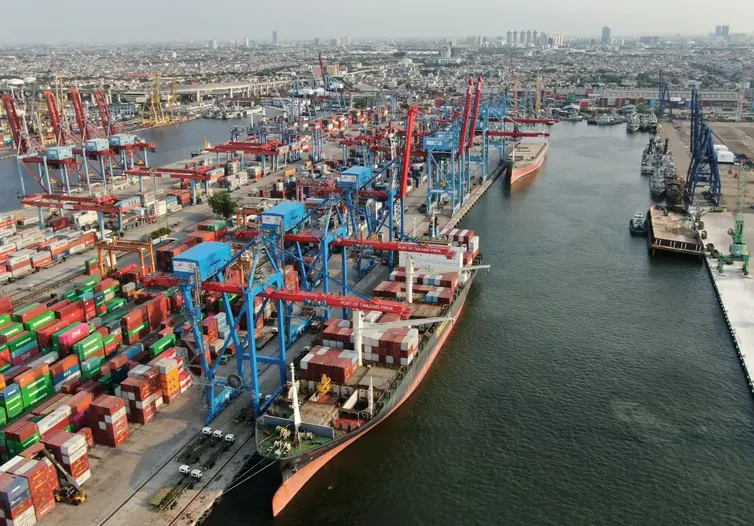
I work remotely with Saudi distributors moving food, beverages, cleaning products, cosmetics and pharmacy lines from central warehouses to regional depots and on to outlets across the Kingdom. Distances are long, so a typical network has a main hub, depots in other regions, van routes radiating from each depot and sub-distributors covering towns where a direct route does not pay.
Every link in that chain now produces e-invoices. A van salesman printing an invoice at a grocery in a smaller town is creating a document that must meet ZATCA requirements, often on a handheld with weak signal. Add Arabic-first customer documents, seasonal peaks around Ramadan and credit extended to many small outlets, and the ERP carries a heavy load. I map all of it before platforms are compared.
 What I Do
I help Saudi distributors connect the hub, the depots and the vans so that stock, e-invoices and cash agree at the end of every day in every region.

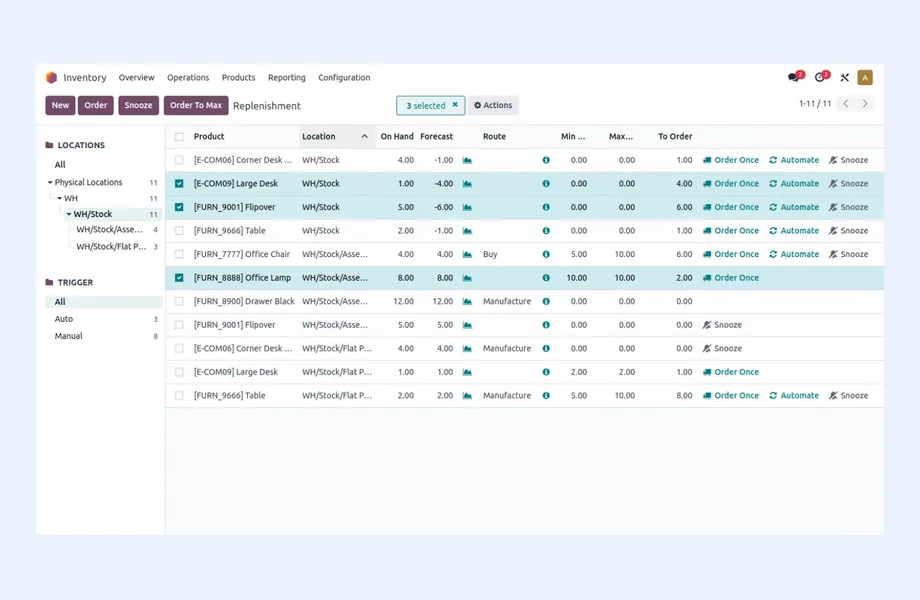
I document how the central warehouse replenishes regional depots, what each depot stocks, how transfers and stock in transit are recorded, and which depot owns each route and customer.

I specify how van handhelds generate, store and later report e-invoices and credit notes, how numbering and device identity are handled, and what happens when an invoice is issued without signal.

Requirements for capturing secondary sales and stock from sub-distributors in other regions, through a portal, app or file upload, so you see outlet-level demand beyond your own routes.

Ramadan, the summer slowdown and the return to school shift demand sharply for many categories. I define the forecast inputs, depot stock targets and promotion calendar the ERP needs to plan ahead.

Invoice layouts, customer names, product descriptions and handheld screens in Arabic alongside English, with bilingual master data planned from the start rather than translated after go-live.

I score platforms and van apps on your routes, review implementation proposals and support UAT on e-invoice scenarios, depot transfers and evening settlement in each region.
What to Measure
An ERP for distribution should make these numbers available without a spreadsheet. I design the data model and reports around them from the start.
Platform Fit
How I Work
Hub, depots and routes
 Depot and region structure
Van and pre-sell routes
Sub-distributor agreements
Current invoicing method
Depot and region structure
Van and pre-sell routes
Sub-distributor agreements
Current invoicing method
Compliance inside the design
E-invoice scenario list
Depot replenishment rules
Bilingual master data plan
Van app shortlist and fit-gap
Region by region
Pilot depot and its vans
E-invoice UAT with finance
Arabic handheld training
Staged regional rollout
Saudi distribution is shaped by distance. A business based in one major city may serve customers across the central, western and eastern regions and well into the north and south, and a single warehouse cannot reach all of them with daily vans. The usual answer is a hub and depot network: the central warehouse receives from factories or importers, regional depots hold working stock, and each depot runs its own pre-sell and van routes.
The process map I draw for a Saudi distributor runs: principal or factory supply -> central receipt -> depot replenishment by truck -> depot receipt -> van load -> outlet visit -> invoice and collection -> returns -> evening settlement -> depot reorder. Sub-distributors appear where a depot is not justified; they buy from you and sell on to outlets in their own area.
Each stage holds stock that the business owns or answers for, and each handover needs a document. The design questions I settle early are how stock in transit between hub and depot is valued and tracked, whether depots order from the hub or the hub pushes stock to them, and how depot managers see hub availability before promising a customer. Those decisions drive the solution design more than any feature list does.
E-invoicing under ZATCA applies to the van salesman as much as to head office. Sales to VAT-registered businesses and sales to consumers can follow different invoice types and different clearance or reporting flows, so the handheld has to know which applies to each outlet. Credit notes for returns at the outlet need equal care, because a damaged-goods return in the field is a tax document, not just a stock movement.
The practical design questions concern the road more than the regulation:
I confirm current requirements with your tax advisor and the solution provider instead of assuming them, and I test vendor answers with scripted scenarios: an offline sale, a return against an older invoice, a customer whose VAT number has changed. Vendors that show these working on a handheld move forward; those describing a roadmap do not. The Saudi ERP consultant page gives wider context on compliance-driven requirements.
Sub-distributors extend your reach into towns and regions where your own vans would run at a loss. The trade-off is visibility: once goods are sold to a sub-distributor, you no longer see which outlets bought them or how quickly they sold. For principals and for your own planning, that blind spot matters. I design how secondary sales and closing stock are collected from each sub-distributor, through a simple portal, a shared app or a periodic file, and how claims for schemes they ran on your behalf are verified against that data.
Seasonality is sharper here than in many markets. Beverages, dates, juices, rice and cooking oils behave differently in the weeks before and during Ramadan, and some categories shift again around summer travel and the start of the school year. Forecasting from a plain moving average misses those peaks. I define the planning inputs the ERP needs, such as seasonal profiles by category and region, depot stock targets and the promotional calendar agreed with principals, so depots are stocked before demand arrives rather than after it.
Outlet credit moves with the season too, with some customers asking for longer terms around peaks. Credit limits and approval paths should reflect that, instead of leaving the decision to individual salesmen at the outlet.
Many Saudi distributors have run the same local accounting system for years, adding a van sales app, an e-invoicing connector and a reporting tool as each requirement arrived. It works, but every new region or principal adds another manual step. Others run a regional ERP that handles finance well and leaves depots and vans to spreadsheets.
In selection I weigh four things for this market: how the ERP and van app handle e-invoicing together, Arabic quality on documents and handheld screens, depot replenishment and transfer logic, and access to implementation support with distribution experience in the Kingdom. The scripted demo covers one depot's day, from van load to settlement, plus a replenishment truck arriving from the hub.
Migration priorities are outlets with tax details and routes, open balances by outlet, stock by depot and van, active schemes, and the e-invoice references needed to raise credit notes against invoices issued in the old system. Product notes are on Odoo Inventory in Saudi Arabia and Zoho Inventory in Saudi Arabia.
All of this is delivered remotely, with sessions inside the Sunday to Thursday week and site visits only by arrangement. For the bigger picture, see the Saudi Arabia hub and my general guide to ERP for distribution.

Tell me about your business and current systems. I’ll suggest the most sensible first step.
Book a Consultation
Not sure which ERP you need?
Share your business requirements with me and I will help you understand the right process, architecture and platform before implementation.
FAQ
Many van sales apps can create and print invoices offline and submit them once connected again, but the details matter: permitted timing, device identification, invoice counters and what happens on rejection. Your tax advisor and e-invoicing solution provider confirm the rules. I turn them into test scenarios and check each vendor against them on a handheld, not in a slide deck.
Agree a simple, regular data exchange as part of the distribution agreement: secondary sales by outlet and closing stock by item. Smaller partners may upload a file or use a light portal, while larger ones can use a shared app. I design the format and the ERP side, so the data feeds planning, principal reports and scheme claim checks.
Usually a warehouse location, sometimes also a cost center or branch for reporting. It depends on whether depots need their own profit reporting, separate sequences or distinct approvals. The choice affects transfers, e-invoicing setup and reports, so I settle it with finance and operations during design rather than leaving it to the implementer's default.
Sometimes. It depends on whether the connector supports the new ERP, how it receives invoice data and who maintains it. In some cases the new platform's own solution is simpler to run. I compare both options during selection, including how open invoices from the old system are handled when credit notes are raised after cutover.
Every business is different. Share where you are today and what you want to fix, and I’ll tell you honestly whether and how I can help.
Book a Consultation
Insights
 Book a Consultation
Book a consultation to talk through your processes, systems and goals. I’ll reply with practical next steps - no obligation.