Contact Info

 Manama
What does an ERP consultant do for Manama businesses?
In Manama, an ERP consultant designs systems for companies whose customers often sit across the causeway in Saudi Arabia, for traders using the port and logistics zone at Hidd, and for hotel and restaurant groups serving weekend visitors. I cover cross-border entity and branch setups, causeway freight and customs status, re-export stock and multi-outlet hospitality, with independent platform advice and fully remote delivery.
Last reviewed by Vikas Saroj
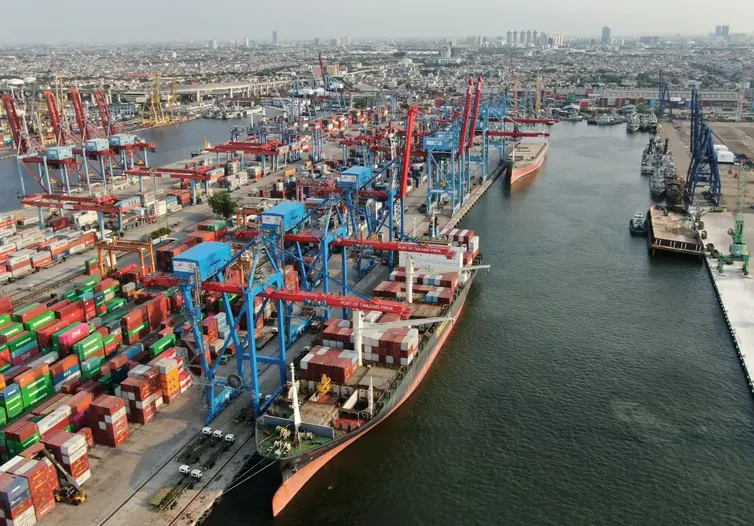
I work remotely with businesses in Manama and the wider capital area. The Bahrain Financial Harbour and the Diplomatic Area hold banks, regional offices and professional firms. Seef and Sanabis combine malls, offices and hotels, while Adliya and Juffair are known for restaurants, cafes and nightlife. Across the water at Hidd, the main port, a logistics zone and an investment park host traders, manufacturers and warehouse operators.
Much of Manama's commerce looks west. The King Fahd Causeway links the island to Saudi Arabia's Eastern Province, so many Bahrain companies sell to Saudi customers, move goods across the causeway daily and welcome Saudi visitors at weekends. That cross-border pull shapes ERP requirements here more than almost anything else.
 What I Do
Manama engagements often begin with a simple question that turns out to be the main design decision: which of your customers are in Bahrain, and which are across the causeway?

Whether you sell into Saudi Arabia directly, through a distributor or through your own Saudi entity, I design the companies, intercompany flows and reports to match, with tax questions confirmed by advisors in both countries.

Trucks crossing to the Eastern Province need delivery documents, customs status and proof of delivery. I design shipment records so sales, logistics and finance see where each consignment stands.

For traders and operators at Hidd, I design locations, bonded or zone status, re-export flows and landed cost so stock destined for different GCC markets is tracked separately.

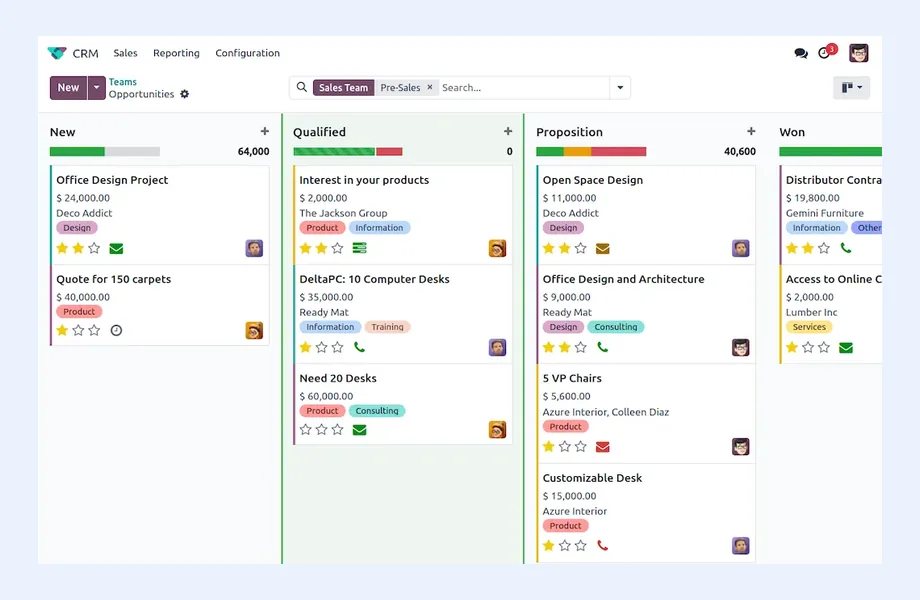
Saudi-facing sales teams often travel and sell through relationships. I connect a CRM pipeline to orders and invoices so management sees which accounts and markets actually produce margin.

Hotel and restaurant groups need outlet sales, recipes, central purchasing and staff costs pulled together. I design how point-of-sale data reaches the ERP and how outlets are compared fairly.

I compare platforms on how they handle two countries' documents, several entities and outlet integrations, and test those claims with scenarios built from your own transactions.
My Consulting Journey
Business first, technology second. You can hire me for one step - a BRD, a gap analysis, a vendor shortlist - or for the whole journey.
How I Work
Customers, entities and routes
 Split customers by country
List entities and branches
Trace a causeway shipment
Review outlet reports
Split customers by country
List entities and branches
Trace a causeway shipment
Review outlet reports
Structure and platform
Confirm structure with advisors
Design shipment statuses
Script vendor scenarios
Select the platform
Go live and settle
Start with the Bahrain entity
Test cross-border documents
Train sales and logistics
Add other entities in turn
Bahrain is small, and the capital area holds a large share of its commercial life within short driving distances. Financial institutions, regional offices and professional firms cluster around the Bahrain Financial Harbour and the Diplomatic Area. Seef and Sanabis host malls, office towers and hotels. Adliya and Juffair are dense with restaurants and cafes. Industrial and logistics activity sits mainly outside the center, at Sitra, Salmabad and especially Hidd, where Khalifa Bin Salman Port, the Bahrain Logistics Zone and the Bahrain International Investment Park are located.
A typical Manama company therefore keeps its management close to the center and its stock or production out at Hidd or Sitra, with customers both on the island and across the causeway. Those three facts drive the ERP design: one or more entities, warehouses in zones with different customs status, and sales channels that cross a border.
The national requirements, including VAT under the National Bureau for Revenue, dinar precision, bilingual documents and payroll data, are covered on my Bahrain ERP consultant page, together with the needs of financial and professional services firms. This page looks at what is specific to the capital: the cross-border pull, the port and logistics zone, and the hospitality economy.
For many Manama businesses, the Eastern Province is a larger market than Bahrain itself. Distributors supply Saudi retailers and contractors, service firms send engineers across the causeway, and manufacturers at Hidd ship to Saudi buyers every day. How you sell into Saudi Arabia is a structural choice with direct ERP consequences.
There are a few common patterns:
Each pattern changes which entity invoices whom, which country's VAT and e-invoicing rules apply to which documents, how customs values are set and how profit is reported. A Saudi entity, for example, may need to meet Saudi e-invoicing requirements from its own system. Those tax and legal questions belong with your advisors in both countries, and I design the ERP around their answers: separate entities where needed, intercompany pricing rules, documents in the format each country expects and a consolidated view for the owners. My Khobar ERP consultant page describes the customer base on the other side of the causeway.
Khalifa Bin Salman Port and the adjoining Bahrain Logistics Zone make Hidd the center of Bahrain's physical trade. Importers bring in goods for local sale, regional distributors hold stock for several GCC markets, and logistics firms offer warehousing, consolidation and onward trucking, much of it toward Saudi Arabia.
For an ERP, the key is knowing exactly what status each item is in. Goods held in the logistics zone for re-export may not yet be cleared into Bahrain. Stock reserved for a Saudi customer should not be sold locally. Landed cost differs depending on whether goods are cleared in Bahrain, re-exported or shipped onward under a different arrangement, which your customs broker can confirm.
I design warehouse locations and statuses that reflect those realities, with re-export orders, shipment documents and landed cost linked to each movement. For causeway freight, I add shipment records with truck, driver, customs status and proof of delivery, so finance can invoice as soon as goods are accepted. Where a freight forwarder or customs broker provides data electronically, I define what comes back and how it is matched. For more on these flows, see the logistics industry page and how I approach ERP integration.
Manama's hotels, restaurants, cafes and entertainment venues serve residents, business travelers and a steady flow of weekend visitors from Saudi Arabia, many of whom drive across the causeway. Demand therefore peaks on particular days and around holidays, and outlets in Seef, Adliya and Juffair can be quiet midweek and full at the weekend.
Restaurant and hotel groups here often run several outlets or brands, with a central kitchen or commissary, shared purchasing and staff who move between sites. Their ERP needs follow from that. Daily sales from each point-of-sale system should post as summaries by outlet and payment type. Recipes and production records in the central kitchen should set each outlet's food cost. Purchasing should be planned around the weekly pattern so perishable stock is not over-ordered for quiet days. Staff costs should land on the outlets where people actually worked.
Hotels add property management systems, banqueting and events, and maintenance of rooms and plant. I define what each front-line system keeps, what flows into the ERP and how outlets and properties are compared on a fair basis. Owners then see which venues earn their keep across the whole week, not just at the weekend. The restaurants page describes outlet integration in more detail.
I work remotely with businesses in Manama from India, a few hours ahead of Bahrain time, so our working days overlap for most of yours. At the start we agree a weekly calendar that accounts for the weekend in both countries and for shorter hours during Ramadan.
Cross-border businesses often have people on both sides of the causeway: sales staff in the Eastern Province, logistics coordinators at Hidd and finance near the center. Remote sessions put them all in the same conversation without anyone driving across. Between sessions I work from shared documents, photos of shipment papers and outlet reports, and short voice notes from people who are rarely at a desk.
For groups with entities in both countries, I generally recommend going live with the Bahrain entity first, proving the cross-border documents with real shipments, and then adding the Saudi side. An in-person meeting in Manama is possible by arrangement for a session where it truly helps, though each phase is planned without travel. The Bahrain hub lists my other services, and you can write to me about how your business crosses the causeway.

Tell me about your business and current systems. I’ll suggest the most sensible first step.
Book a Consultation
Not sure which ERP you need?
Share your business requirements with me and I will help you understand the right process, architecture and platform before implementation.
FAQ
Only if you have, or plan to have, a Saudi branch or company. Many firms sell directly from the Bahrain entity or through a Saudi distributor instead. Which route suits you is a tax and legal question for advisors in both countries. Once that is settled, I design the entities, documents and intercompany rules to match.
Yes. Each shipment gets a record with the truck, driver, documents, customs status and proof of delivery, linked to the sales order and invoice. Logistics sees where every consignment stands, and finance can invoice as soon as goods are accepted rather than waiting for paperwork to come back.
As separate locations with a clear status, so goods held for re-export are kept apart from stock cleared for local sale. Re-export orders and landed costs are linked to each movement. Your customs broker confirms the treatment of each flow, and I design the system around that guidance.
It can, using past sales by outlet and day of the week to set order quantities for perishable items, with the central kitchen producing to that plan. Reports then compare food cost and waste across quiet and busy days, so managers can see where over-ordering happens and adjust it.
Sessions take place online, supported by a shared folder and quick phone clips from staff at Hidd or in the outlets. Getting together face to face is possible by arrangement, for instance to review the design with colleagues from both sides of the causeway, yet the plan never requires it.
Every business is different. Share where you are today and what you want to fix, and I’ll tell you honestly whether and how I can help.
Book a Consultation
Insights
 Book a Consultation
Book a consultation to talk through your processes, systems and goals. I’ll reply with practical next steps - no obligation.