Contact Info

 United States
What does a LinkedIn Ads consultant do for US B2B companies?
A LinkedIn Ads consultant helps US B2B companies reach buying committees at target accounts by role, seniority and territory, then judges campaigns on pipeline rather than clicks. I work remotely to test whether the channel fits your deal size, build account and role audiences, choose formats and lead capture, sync leads into your CRM with territory routing and report sourced and influenced pipeline.
Last reviewed by Vikas Saroj
LinkedIn is the place to reach a controller at a regional manufacturer, a VP of operations at a logistics firm or an IT director at a hospital system by role rather than by guesswork. In the US, that reach is broad enough to build real programs, and competitive enough that loose targeting burns budget quickly.
As an independent LinkedIn Ads consultant working remotely with American B2B companies, I decide whether the platform suits your deal size, build audiences around target accounts and decision roles, choose between lead gen forms and landing pages, sync leads into your CRM and report on the pipeline those accounts produce.
Your Campaign Manager account, company page and billing stay with your business. I charge for consulting time only and take no media commission or vendor referral fees.
 What I Do
Campaign planning and management built around US territories, buying committees and the CRM your sales team already uses.

A plain review of contract values, sales cycle, audience size and follow-up capacity to decide whether LinkedIn deserves a test budget, and what role it plays next to search and outbound.

Audiences built from your target account list, industry, company size, job function and seniority, sized per territory so each campaign can deliver without drifting into irrelevant roles.

Company lists and contact lists from your CRM used for targeting, retargeting and exclusions, uploaded only where your privacy notice and counsel support that use of the data.

Thought leader ads from executives, document ads for guides and checklists, video and single image ads, each matched to a stage in the buying journey rather than used at random.

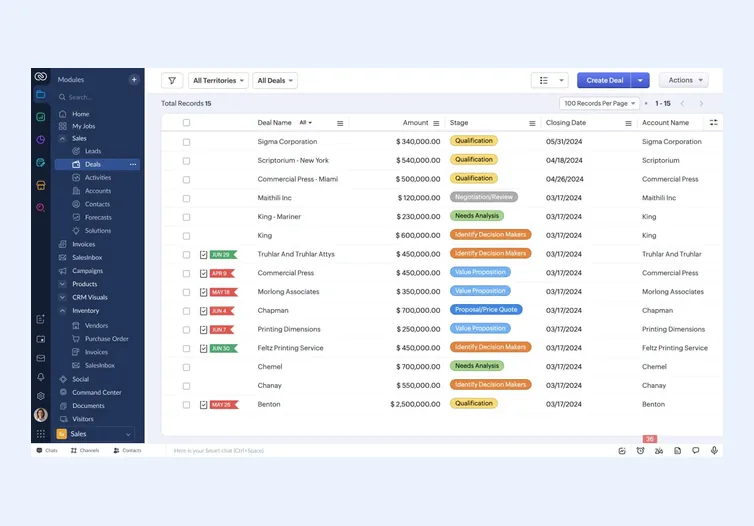
Lead gen form submissions flowing into Salesforce, HubSpot, Zoho or Dynamics with campaign tags, owner assignment by territory and alerts so reps respond while interest is fresh.

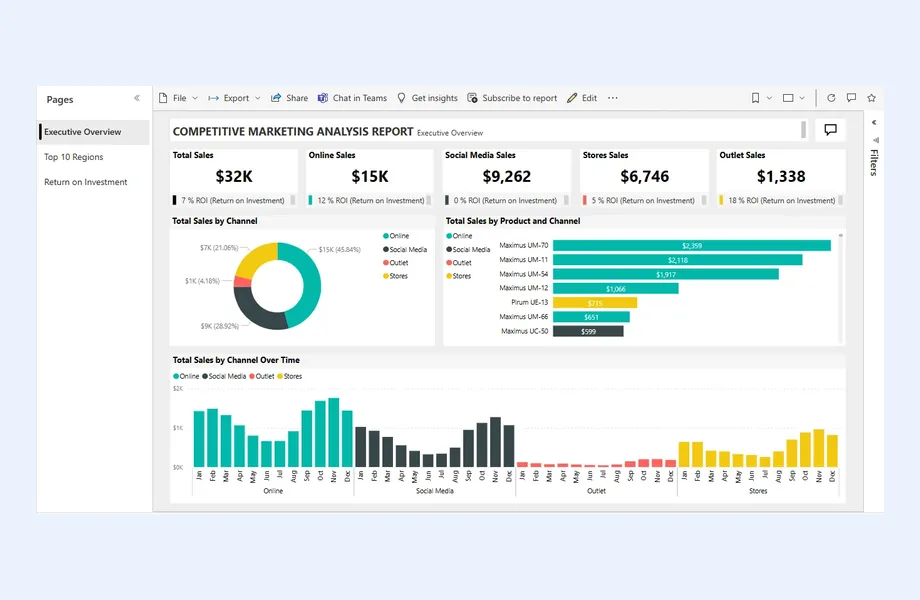
Reporting that connects engaged accounts to opportunities and closed revenue in the CRM, separating influenced pipeline from sourced pipeline so leadership sees an honest picture.
How I Work
Decide if LinkedIn earns budget
 Deal value and cycle review
Audience sizing by territory
CRM stage and field check
Offer and content inventory
Deal value and cycle review
Audience sizing by territory
CRM stage and field check
Offer and content inventory
Build focused first campaigns
Account list upload
Form or landing page build
Insight Tag and conversions
Lead routing rules
Measure what reaches the pipeline
Account engagement review
Opportunity matching in CRM
Budget shifts by audience
Quarterly leadership summary
LinkedIn pays off for American firms whose buyers are defined by job and company rather than by a search query. Software and IT services companies, professional services firms, industrial suppliers selling into manufacturing, healthcare technology vendors, logistics providers and consultancies tend to fit, because one contract can be worth enough to cover the higher cost of reaching each decision maker. Recruiting experienced specialists, such as engineers, nurses or finance leaders, can also work, since the people you want are already describing their skills on the platform.
It is a poor fit when the offer is low value or transactional, when buyers are consumers, or when demand already shows up in search and can be captured more cheaply through Google. It also struggles when nobody in sales can follow up within a day or two.
The US market adds a scale trap. Audiences look enormous, so it is tempting to target a whole industry nationwide. That spreads a modest budget so thin that no single account sees enough of your message to remember it. I prefer starting narrow: one or two territories, one product line, a defined set of accounts and roles, and a clear question the test is meant to answer.
If the answer after a fair test is that LinkedIn should play a smaller part, I say so and move the budget elsewhere.
US B2B sales teams usually work in territories, by region, by state or by named accounts. Campaigns that ignore that structure create leads nobody owns. I start from your territory map and your ideal customer profile, then build audiences that match: company lists for named accounts, industry and company size filters for broader segments, and location filters that follow where each rep sells.
Inside each account, I target the buying committee rather than a single title. A purchase of ERP software, logistics services or engineering equipment involves a sponsor, a budget holder, technical evaluators and sometimes procurement. Job function and seniority combinations reach those roles more reliably than exact titles, which vary widely between American companies.
Matched audiences make this sharper. Account lists exported from your CRM keep ads aligned with what sales is pursuing; contact lists can support retargeting or exclusions of existing customers. Uploading personal data for advertising should be covered by your privacy notice, and some state privacy laws give consumers rights over targeted advertising, so your counsel should confirm how lists may be used.
I keep the audience expansion option off unless we choose it deliberately, check that each audience is large enough for LinkedIn to deliver, and exclude students, job seekers and competitors where they would otherwise absorb spend.
Format choice shapes who responds. Thought leader ads promote posts from your executives or subject experts, which often reads as more credible to American buyers than a branded post, particularly in professional services and founder-led companies. They work best when the person genuinely has something useful to say and is willing to answer comments.
Document ads let people read a guide, checklist or benchmark framework inside the feed, with the option to ask for contact details before the full document opens. They suit early-stage buyers who are researching a problem but not yet ready to talk. I usually test a gated and ungated version, because gating trades reach for leads.
Conversation ads and message ads land in the member's inbox. They can work for event invitations or a specific offer to a well-defined audience, but they also feel intrusive when the targeting is loose. Some outbound rules in the US focus on email, calls and texts rather than in-platform messages, yet the content still has to be honest and the sender identifiable. I keep message sequences short, clear about who is writing and why, and reviewed by whoever owns compliance in your business.
Video and single image ads remain useful for retargeting and for keeping your name in front of target accounts between sales touches.
LinkedIn lead gen forms pre-fill name, work email, company and title from the member's profile. That convenience is useful for content downloads, webinar registrations and event sign-ups, where the goal is a known contact rather than an immediate meeting. For a demo, a consultation or a pricing request, a focused landing page often filters better, because the buyer has to read and choose to continue.
Wherever the lead arrives, the first job is to get it into the CRM quickly and accurately. American B2B companies commonly run Salesforce, HubSpot, Microsoft Dynamics or Zoho, and each has a native or third-party connection for LinkedIn lead forms. I map fields, tag each record with campaign, form and audience, assign owners by territory or account, and set alerts so a rep can respond the same day.
For landing page leads, the Insight Tag, conversion actions and consistent UTM parameters carry the source through to the CRM. Where your stack allows, qualified lead and opportunity events can be sent back to LinkedIn through its Conversions API, so optimization and reporting reflect sales outcomes. Server-side events should respect the same opt-out and consent choices as the browser tag.
None of this works if reps skip lifecycle stages. I define those stages with sales leadership first, using the approach on my US CRM consulting page.
American leadership teams often ask whether LinkedIn sourced a deal. For long B2B cycles the more useful question is whether target accounts that engaged with campaigns moved further or faster than those that did not. I report both, and keep them clearly separate.
Sourced pipeline counts opportunities that began with a LinkedIn lead. Influenced pipeline counts opportunities at accounts where members engaged with ads before or during the sale. The second is a correlation, not proof, and I label it that way. Over a few quarters, comparing engaged and non-engaged target accounts on opportunity rate and cycle length gives a fair picture of what the channel adds.
The KPIs in a typical monthly review include cost per qualified lead by audience, account reach and engagement within each territory, lead-to-opportunity conversion from the CRM, opportunity value at engaged accounts and notes on what changed. Budget decisions come from that review: which audiences and formats to keep, which to pause and how much to shift toward search or Meta.
LinkedIn is one part of a wider plan. My US B2B lead generation work covers outbound and events, the US Meta Ads page covers retargeting at a different cost profile, and LinkedIn Ads management explains the general method. All work is delivered remotely with calls during US business hours; contact me to discuss a test.

Tell me about your business and current systems. I’ll suggest the most sensible first step.
Book a Consultation
Not sure which ERP you need?
Share your business requirements with me and I will help you understand the right process, architecture and platform before implementation.
FAQ
It depends on what one customer is worth and how quickly sales follows up, not on company size. Mid-sized firms with meaningful contract values often do well by targeting a tight list of accounts in a few territories. I help define a test small enough to be affordable and specific enough to answer whether the channel deserves more budget.
LinkedIn supports company list and contact list uploads for targeting and exclusions. Whether you should upload personal contact data depends on your privacy notice and the state privacy laws that apply to you. Your counsel should confirm the approach; I prepare the lists, keep them updated and use account lists where contact uploads are not appropriate.
They need a real person whose posts are worth promoting, which can be a founder, a practice lead or a technical expert. That person should approve the posts and ideally respond to comments. I help choose the topics, review the copy for clarity and decide which posts are worth paying to extend.
Salesforce, HubSpot, Microsoft Dynamics and Zoho can all receive lead gen form submissions through native connectors or integration tools, and other CRMs usually can through middleware. I map the fields, tag campaign details and set routing by territory so the right rep sees each lead quickly.
Lead volume shows quickly, but pipeline contribution takes at least one sales cycle to judge. I set an early checkpoint on lead quality and account engagement and a later one on opportunities, so you can stop a weak test early or keep a promising one running long enough to read properly.
Every business is different. Share where you are today and what you want to fix, and I’ll tell you honestly whether and how I can help.
Book a Consultation
Insights
 Book a Consultation
Book a consultation to talk through your processes, systems and goals. I’ll reply with practical next steps - no obligation.