Contact Info

 Riyadh
How does an Odoo consultant help Riyadh businesses?
An Odoo consultant helps Riyadh businesses match Odoo to how their goods actually move. I design central kitchen and branch flows for cafe chains, set the right manufacturing scope for plants in the industrial cities, allocate import costs for goods cleared through the dry port and map city deliveries. Rollout is phased, and I review the implementer's work remotely and independently.
Last reviewed by Vikas Saroj
Three kinds of Riyadh business tend to look closely at Odoo. Food groups running a central kitchen that supplies cafes and restaurants across the capital. Light manufacturers in the industrial cities on Riyadh's edge. And importers and distributors whose goods arrive through the dry port and are delivered across the city every day.
Each needs a different part of Odoo to work well, and each can be let down by a setup that tries to do everything at once. As an independent Odoo consultant, I work remotely to define the scope that matters for your operation, test it with your own scenarios and keep the implementer focused on it.
 What I Do
I start with the physical flow of goods through your business, then decide which Odoo apps should carry it.

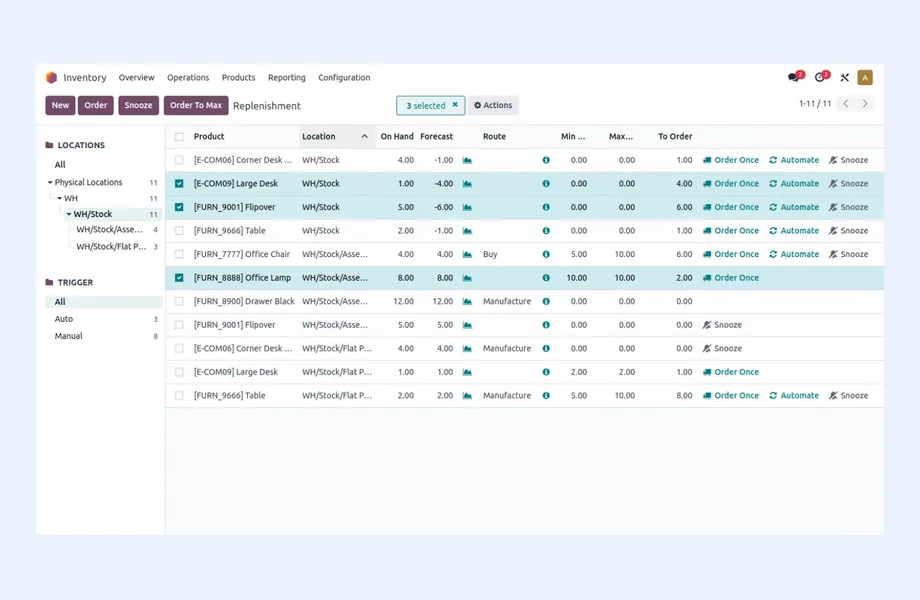
I design how recipes, production batches, branch orders and transfers work in Odoo, so a kitchen supplying many Riyadh branches knows what to produce each morning and what each branch actually used.

I plan point of sale for cafes and outlets spread across districts: menus, payment methods, offline behavior, end-of-day closing and how sales and stock flow back to head office.

For manufacturers in Riyadh's industrial cities, I define bills of materials, routings, work centers and quality checks at the level of detail your plant can maintain, no more.

I design how freight, customs and clearing charges are allocated to imported stock, so margins on goods cleared through Riyadh's dry port reflect the full cost, and confirm your edition supports it.

I map dispatch, delivery routes, proof of delivery and returns for distributors serving shops, restaurants and contractors across the capital, and decide what drivers record on their phones.

I split the project into phases your team can absorb, so the core flows go live first and extra apps follow once the basics are stable and people trust the numbers.
How I Work
Follow goods from arrival to sale
 Map receiving and storage
Trace production or kitchen steps
Follow delivery and branch sales
List every costing input
Map receiving and storage
Trace production or kitchen steps
Follow delivery and branch sales
List every costing input
Choose apps, edition and phases
Match flows to Odoo apps
Confirm edition features needed
Agree what waits for later
Write scripted test scenarios
Test and oversee the build
Review implementer configuration
Run a simulated trading day
Check costs and margins
Sign off each phase
Riyadh's cafe and restaurant scene has grown into a dense network of branches, many owned by local groups that run a central kitchen or bakery and deliver to their outlets every day. The operational questions are always similar: what should the kitchen produce tomorrow, how much did each branch receive, how much did it sell, and where did the rest go?
Odoo can cover this chain with point of sale at the branches, inventory for the kitchen and branch stores, and manufacturing or simple production orders for recipes. The design choices matter more than the apps. I decide with you whether branches order from the kitchen or the kitchen pushes stock to branches, how recipes are maintained when ingredients change, how waste and staff meals are recorded and how often branch stock is counted.
Branches spread across Riyadh's districts also raise practical questions: what happens when a branch loses its connection during a busy evening, how payment methods are reconciled at closing and how quickly sales reach head office. I write these into test scenarios and run them before go-live. The food and beverage industry page describes the wider process.
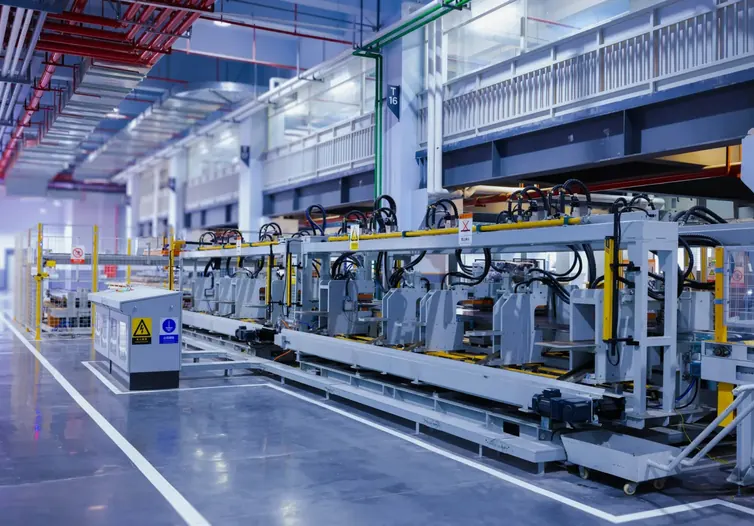
The industrial cities around Riyadh host a broad mix of manufacturers: packaging, building materials, metal fabrication, furniture, plastics, food processing and chemicals among them. Many are family-owned plants that have grown on spreadsheets and a basic accounting package, and now need production and inventory in one place.
Odoo Manufacturing can manage bills of materials, routings, work centers, production orders and quality checks. The common mistake is to configure all of it on day one. A plant with a handful of products and simple assembly does not need detailed routings and work-center scheduling to start; it needs accurate material consumption and finished-goods costing. A plant with many variants and shared machines needs more.
I assess your production style first: make to stock or make to order, batch or continuous, how often recipes change and how much shop-floor data your supervisors can realistically record. Then I define the minimum Odoo setup that gives reliable costs, with a clear path to add scheduling or quality steps later. The Odoo Manufacturing page covers the product in general terms.
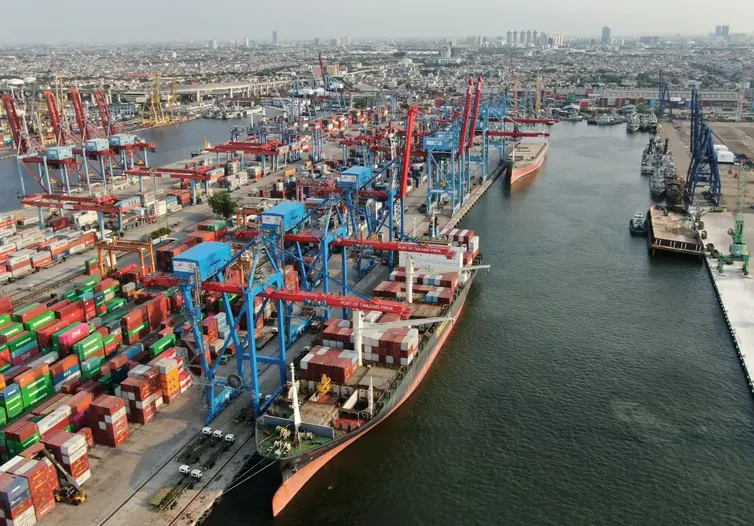
Many Riyadh distributors import their goods, and containers arriving by rail or road are cleared through the city's dry port before moving to warehouses. Each shipment carries freight, insurance, customs duty, clearing and local transport charges that arrive on separate invoices, often weeks apart. If those costs are not allocated to the stock they relate to, product margins look better than they are.
Odoo has landed cost functionality for exactly this, but how it is used depends on your edition and accounting setup, so I confirm that early. Then I design how each charge is captured, how it is split across items in a shipment, and what happens when a late invoice arrives after some of the stock has already been sold.
Delivery is the other half. Distributors serving shops, restaurants and contractors across Riyadh need dispatch planning, delivery confirmation on the driver's phone and a clean returns process. I map that flow and decide which parts belong in Odoo and which in a separate routing tool. The distribution industry page goes deeper into the trade cycle.
Odoo's breadth is attractive, and implementers can switch on many apps quickly. For a growing Riyadh business opening new branches or adding product lines, that can turn a focused project into a sprawling one, with half-finished apps and users unsure which screen is the real record.
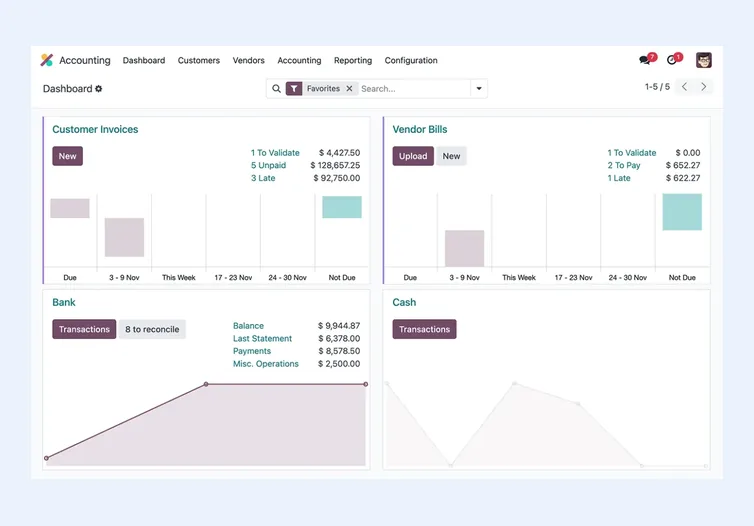
I propose a phased plan. The first phase covers the flows that run the business every day, for example sales, purchasing, stock and accounting for a distributor, or point of sale, kitchen production and branch transfers for a food group. Later phases add apps such as quality, maintenance, field service or a website once the core is stable and the team has capacity.
Each phase has its own test scenarios and sign-off. I also keep a short register of customization requests with the business reason for each, because unnecessary custom code is what makes future Odoo upgrades difficult. Compliance and localization checks for Odoo in the Kingdom are set out on my Odoo consultant in Saudi Arabia page, and those form part of the first phase rather than an afterthought.
Riyadh businesses can choose from a number of firms that implement Odoo, and many have already chosen one by the time they contact me. I do not replace that firm. I work remotely as your independent reviewer: I write or refine the requirements, review the implementer's design, prepare test scenarios from your operation and check the results before each phase is signed off.
Sessions run by video during the working week, and your staff record short videos of real processes, such as a kitchen dispatch or a container being received, so I can see the work without being there. Where a visit to a plant or kitchen would help, it can be planned by arrangement.
I will also tell you if Odoo is the wrong choice for your situation, for instance when a contractor's project controls are the real priority or when the business needs a level of support the local market cannot provide for your configuration. To compare Odoo with other options, see the Zoho vs Odoo comparison, the Riyadh Zoho consultant page, or contact me.

Tell me about your business and current systems. I’ll suggest the most sensible first step.
Book a Consultation
Not sure which ERP you need?
Share your business requirements with me and I will help you understand the right process, architecture and platform before implementation.
FAQ
Yes, with careful design. Recipes and production orders run in the kitchen, transfers move stock to branches, and point of sale records branch sales. The important decisions are how branches order, how recipes are maintained and how waste is recorded. I test those flows with your real data before go-live.
Odoo includes landed cost functionality, but availability and setup depend on your edition and accounting configuration, so I confirm that first. I then design how freight, duty and clearing charges are captured and split across items, including late invoices that arrive after some stock has already been sold.
Possibly, but not all of it. A small plant often needs only bills of materials, production orders and accurate costing at first. Detailed routings, work-center scheduling and quality steps can follow later. I assess your production style and define the minimum setup that gives reliable numbers.
Yes. I work alongside your implementer as an independent reviewer, refining requirements, reviewing their design, preparing test scenarios and checking each phase before sign-off. I hold no reseller agreement and take no commission, so my view of their work is not influenced by the contract.
Every business is different. Share where you are today and what you want to fix, and I’ll tell you honestly whether and how I can help.
Book a Consultation
Insights
 Book a Consultation
Book a consultation to talk through your processes, systems and goals. I’ll reply with practical next steps - no obligation.