Contact Info

 Jeddah
How does an Odoo consultant help businesses in Jeddah?
An Odoo consultant helps Jeddah businesses use the few Odoo apps that matter to them and prove they work before go-live. Here that often means retailers running mall stores and an online shop on one stock, spare parts traders needing fast counter search, repair workshops billing parts and labor, and event equipment rental firms tracking availability. I work remotely and independently of any Odoo implementer.
Last reviewed by Vikas Saroj
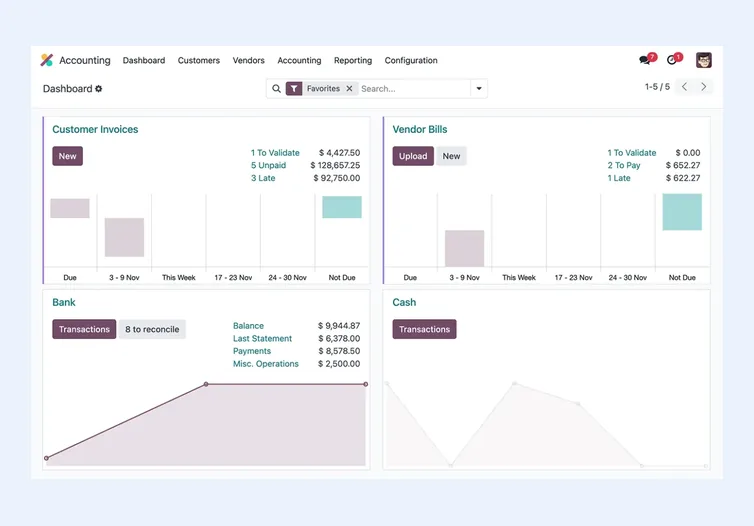
Odoo's appeal in Jeddah comes from its range: one platform with apps for point of sale, online shop, inventory, repairs and rentals alongside accounting. That suits businesses whose operations cross those lines, such as a fashion or gift brand with mall stores and a website, a spare parts trader with a busy counter, or a workshop that sells parts and labor together.
Range is also the risk. It is easy to switch on apps the business is not ready for. As an independent Odoo consultant working remotely, I help Jeddah companies choose the apps that matter, specify how they should behave and check the implementer's work against real transactions.
 What I Do
Each engagement focuses on the few Odoo apps that carry the business, and tests them with your own transactions.

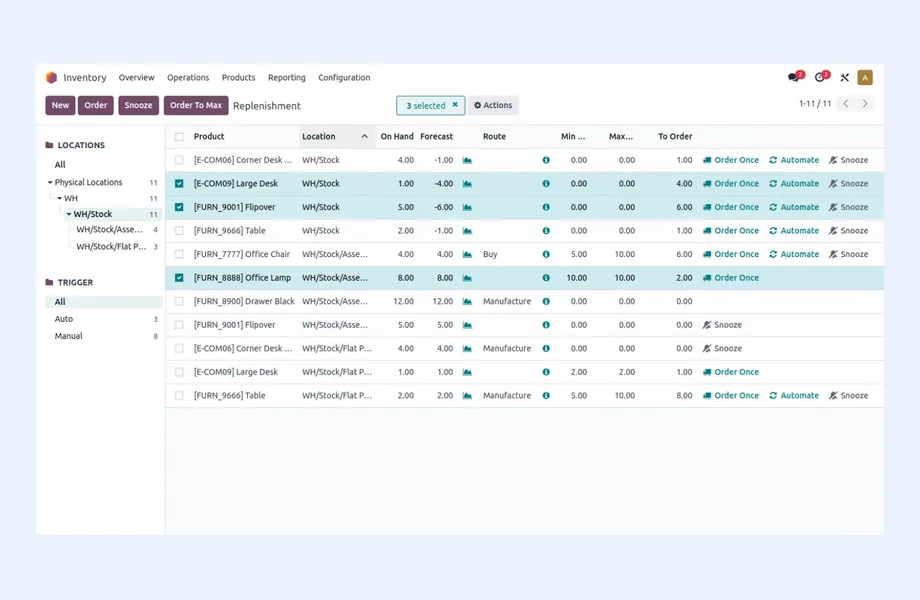
For retailers with mall stores and an online shop, I design how Odoo Point of Sale, eCommerce and Inventory share stock, transfers, returns and promotions, so a customer is never sold an item that is not there.

For parts traders, I specify how part numbers, manufacturer references, alternates and vehicle fit are held in Odoo, and test whether standard fields are enough or an add-on is needed.

For repair and service workshops, I map how a job is received, diagnosed, quoted, approved and invoiced with parts and labor, using Odoo's repair features and the inventory behind them.

For event and equipment rental firms, I check how Odoo's rental features handle bookings, availability, deposits, late returns and damage charges in the edition you plan to use.

I define rules for cleaning a long-running product list before migration: duplicates, inconsistent names, obsolete items and units, so Odoo starts with data the team can trust.

I write test scripts from your real sales, transfers, repairs and rentals, run them with your team and record every gap before you accept the implementer's work.
How I Work
Pick the Odoo apps that matter
 Map store, counter and workshop flows
Decide edition and app list
Plan item master cleanup
Set a phased rollout
Map store, counter and workshop flows
Decide edition and app list
Plan item master cleanup
Set a phased rollout
Describe how each app should behave
Write scenario-based requirements
Define stock and pricing rules
Agree integrations and devices
Review the implementer's plan
Test with real transactions
Run scripted test cycles
Log and track gaps
Rehearse store and counter cutover
Check results after go-live
Jeddah's shopping streets and malls host many home-grown retail brands: fashion and modest wear, cosmetics, gifts, sweets and homeware. Many of them now also sell through their own website and social channels. The difficulty comes when each channel keeps its own idea of stock. A dress shown as available online may have been sold in a store that morning, or sit in a branch across the city.
Odoo can run Point of Sale in the stores, an eCommerce site and Inventory on the same product and stock records, which is a real advantage for this kind of business. The work lies in the rules: which locations can fulfill online orders, whether customers can collect from a store, how transfers between branches are requested and approved, how returns from online orders are accepted in stores and how promotions apply across channels.
I define those rules with the people who run stores and online orders, then test them in a pilot branch before rollout. If you also sell through marketplaces, I check how orders and stock can be exchanged with Odoo, since that usually depends on a connector rather than standard features. My retail industry page describes the wider process.
Jeddah has a well-established trade in vehicle and equipment spare parts, much of it gathered in dedicated market areas where counters serve mechanics, fleet buyers and walk-in customers all day. A counter clerk must find the right part quickly from a description, a vehicle model, an old part number or a photo on a customer's phone.
In Odoo, the key decisions concern the product catalog. Each part needs an internal reference, manufacturer and supplier numbers, and links to alternates or superseded numbers. Vehicle fit may be needed too. Some of this fits standard fields and some needs an add-on or customization. I test which approach your implementer proposes against a sample of real searches from your counter.
Pricing is the other concern. Parts traders often have several price levels for retail, workshops and fleet accounts, and margins differ between genuine and aftermarket parts. Odoo's pricelists can handle levels and rules, but they must be designed carefully to avoid conflicts. Barcode scanning at receiving and picking helps accuracy, and depends on the edition and devices chosen. The national context for Odoo, including e-invoicing checks, is on my Odoo consultant for Saudi Arabia page.
Workshops across Jeddah repair vehicles, marine engines, generators, air conditioning units and industrial equipment. Their process mixes services and stock: a job is received, diagnosed, quoted, approved by the customer, worked on with parts drawn from stock and invoiced with labor. Customers expect to know the status of their job, and owners want to know which jobs actually made money.
Odoo includes repair features that link a repair order to the product being repaired, the parts used and the labor charged, and field service features exist for work done at customer sites. Which you need depends on whether work happens in your workshop or out on location, and on your edition. I map your job flow first and then check the fit.
Key requirements include how parts are reserved for a job, how extra work found during repair is quoted and approved, how warranty work is separated from paid work and how technician time is recorded. I also look at how job status reaches the customer, whether by message, call or portal. The broader service process is covered in my ERP for service management guide.
Jeddah's seasonal events, weddings, exhibitions and the extra hospitality demand around pilgrimage periods create steady business for companies that rent out furniture, tents, lighting, sound, kitchen equipment and generators. Their challenge is availability: knowing what is free on given dates, what is out, what is late and what came back damaged.
Odoo offers rental features in certain editions that handle bookings with pick-up and return dates, availability checks and deposit handling. I check how they fit your business before you commit, including items rented in sets, quantities split across several events, transport and installation charges, and damage or loss charges after return.
Peak seasons stress any rental system, so I test it with a realistic busy-week scenario: overlapping bookings, last-minute changes and returns arriving late. If the standard features fall short, I help decide whether a specialist rental tool linked to Odoo accounting is the better answer. Rental businesses that also sell or service equipment can combine this with the workshop flow above. For the purchasing and ERP context, see my Jeddah ERP consultant page.
Retailers, parts traders and rental companies that have operated in Jeddah for years usually carry a product list that has grown untidy. The same item may exist under several codes, names may be written differently in Arabic and English, units may be inconsistent and many items may not have moved in a long time.
Moving that list into Odoo unchanged spreads the problem across a new system. I define cleanup rules with your team: how duplicates are identified and merged, a naming pattern for each product family, which items are retired, and how units, categories and barcodes are standardized. Arabic product names are settled by Arabic-speaking staff who know the range.
The cleanup is planned as a distinct workstream with an owner and a cutoff, so it does not drag on into go-live. I review samples against the rules and confirm the final file before import. For the migration process itself, see my ERP data migration service. If you are still comparing Odoo with other options in the city, the Jeddah ERPNext consultant and Jeddah Zoho consultant pages describe where those platforms fit.

Tell me about your business and current systems. I’ll suggest the most sensible first step.
Book a Consultation
Not sure which ERP you need?
Share your business requirements with me and I will help you understand the right process, architecture and platform before implementation.
FAQ
Yes. Point of Sale, eCommerce and Inventory can share product and stock records, so each location's quantity is visible to every channel. The design work is in deciding which locations fulfill online orders, how transfers and returns work between them and how promotions apply. I define and test those rules before rollout.
Partly through standard fields such as internal references and supplier codes, and further through add-ons or customization for alternates, supersession and vehicle fit. The right answer depends on how your counter staff search. I test the implementer's proposal against a sample of your real counter searches before anything is built.
It can. Odoo's rental features in certain editions handle bookings, availability, pick-up and return and deposits. I check how they deal with sets, split quantities, transport charges and damage claims, and test a realistic busy-week scenario. If the fit is weak, a specialist rental tool linked to Odoo accounting may be better.
An independent check. I write test scenarios from your real transactions, review the implementer's design against them and run acceptance testing with your team. Gaps are logged and tracked until closed. That gives you evidence about the build before you accept it and before your stores and counters depend on it.
Every business is different. Share where you are today and what you want to fix, and I’ll tell you honestly whether and how I can help.
Book a Consultation
Insights
 Book a Consultation
Book a consultation to talk through your processes, systems and goals. I’ll reply with practical next steps - no obligation.