Contact Info
 Metro Manila
Why would a Metro Manila company hire an ERP consultant?
For a Metro Manila company, an ERP consultant defines how the group's companies, stores, warehouses and plants should share one set of records, then helps pick a platform and oversees its rollout. Typical needs include related-company visibility for family groups, supermarket deductions for distributors, installment collections for developers and plant coordination for manufacturers in Calabarzon. I work remotely, visiting only by arrangement.
Last reviewed by Vikas Saroj
I work remotely with businesses in Metro Manila, where headquarters spread across Makati, Bonifacio Global City, Ortigas and Quezon City direct operations that often stretch far beyond the capital: plants in Laguna, Cavite or Batangas, warehouses near the port, stores in malls across the islands and sales teams covering provincial accounts.
Many of these companies belong to family-owned groups that grew one business at a time. Each company picked its own tools, and the owners now want to see the whole group clearly. I start with how work and money actually flow across those companies and sites, write that down as requirements, and only then compare platforms.

 What I Do
Capital-based groups rarely run a single business model. These are the areas where I usually begin.

For family groups with several companies, I map ownership, shared staff, related-party charges and owner reporting, then design how each company sits in one platform or connects to it without losing its own controls.

Supermarket and department store chains deduct listing fees, promotions, returns and penalties from payments. I design how each deduction is recorded, matched and disputed, so finance knows what was really collected.

For distributors reaching small neighborhood stores, I scope van sales, booking routes, cash and check remittances and stock on trucks, so salespeople, warehouse and finance reconcile the same day.

Manufacturers with plants south of the capital need production plans, material requests and shipments tied to head office sales and finance. I define that flow and the data each site owns.

For property developers, I map reservation, installment down payments, in-house financing or bank take-out and turnover of units, so collections, receivables and project cost stay in one view.

I prepare requirements, a shortlist and scripted demonstrations based on your own transactions, then give a written recommendation that the owners, the board and the eventual implementer can all work from.
My Consulting Journey
Business first, technology second. You can hire me for one step - a BRD, a gap analysis, a vendor shortlist - or for the whole journey.
How I Work
See each company and site
 Map group and ownership
Interview each business head
List tools and spreadsheets
Agree what owners need
Map group and ownership
Interview each business head
List tools and spreadsheets
Agree what owners need
Requirements, demos and decisions
Write requirements by company
Test vendors on real deductions
Set master data ownership
Plan rollout by company
Guide build through to go-live
Review implementer deliverables
Run user acceptance testing
Phase cutover across companies
Check early closings
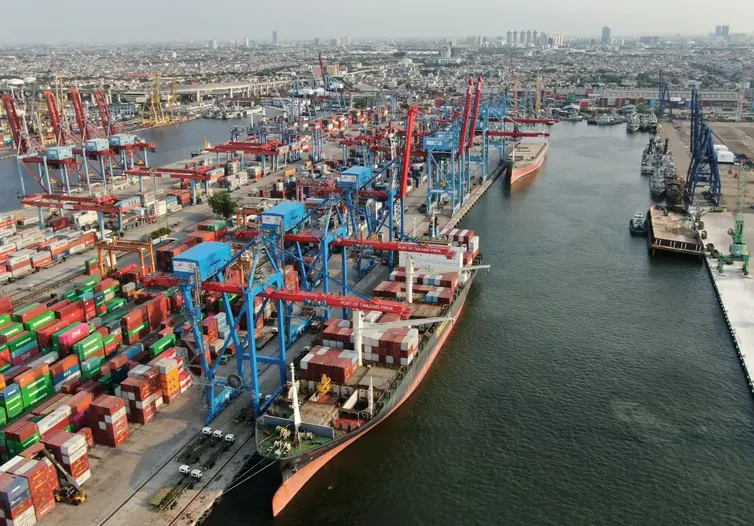
Metro Manila is a cluster of cities rather than one center. Makati remains the traditional home of corporate head offices, banks and law firms. Bonifacio Global City in Taguig has drawn newer headquarters, technology companies and professional firms. Ortigas hosts a mix of head offices and mid-sized companies, while Quezon City and the bay area around Pasay add media, government-linked business, retail and hospitality. The port areas of Manila and the airport handle much of the trade that feeds the capital and the provinces beyond it.
The pattern that matters for an ERP is the split between where decisions are made and where work happens. A headquarters in one district may run factories in Calabarzon, warehouses near the port, mall stores across the country and sales teams in the regions. Traffic and distance make it hard to collect information by hand, so the system has to bring transactions in from every site quickly and reliably.
Regulatory topics that apply nationwide, including BIR requirements, system registration and e-invoicing, are covered on my Philippines ERP consultant page. What follows covers the operating patterns of capital-based companies and what each means for system design.
Much of Manila business is organized in family-owned groups. A single family may own a distribution company, a food manufacturer, a few property holdings and a retail chain, each set up as a separate company with its own management and often its own software. Staff, warehouses and vehicles are sometimes shared, and charges between the companies are agreed informally.
When the next generation takes over or the group brings in outside investors, that informality becomes a problem. Owners want consistent figures across companies, clear records of related-party transactions and controls that do not depend on a few trusted people. I start by mapping the group: which companies exist, what each does, which resources they share and how money moves between them.
From there I design a target structure. Sometimes all the companies belong on one platform with a common chart of accounts and shared master data. Sometimes a business with very specific needs, such as a restaurant chain or a developer, is better served by a specialist system that feeds the group ledger. I lay out both options with their costs in effort and risk, and the treatment of related-party charges stays with your auditors and tax advisors. My multi-company ERP page explains the method in more depth.
Distributors based around Metro Manila often sell through two very different channels at once. Modern trade means supermarket, drugstore and department store chains that send purchase orders through supplier portals, take goods on outright purchase or consignment, and then deduct listing fees, promotional support, returns, short deliveries and penalties from what they pay. General trade means a great many small neighborhood stores served by booking and van sales routes, where orders are small, payment is often in cash and credit is tightly managed.
Each channel puts its own demands on the ERP. For modern trade, the hardest part is settlement: matching each remittance to invoices and deductions, deciding which deductions are valid and following up on the rest. For general trade, the focus is route planning, stock loaded on each truck, collections handed over at the end of the day and outlet-level sales data that principals often want to see.
Movement of goods within the capital adds its own constraints, since heavy vehicles may face time and road restrictions and deliveries must be planned around them. I design dispatch and delivery flows with those limits in mind. My distribution ERP and retail ERP pages describe the base requirements I adapt for each client.
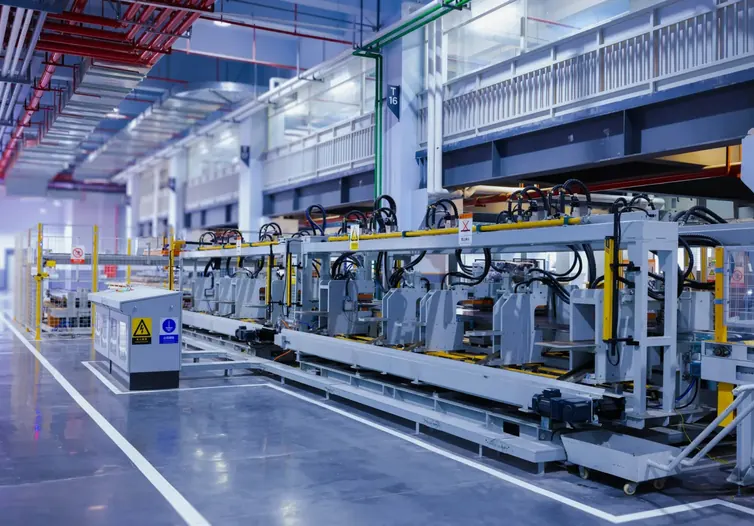
South of Metro Manila, the provinces of Cavite, Laguna and Batangas host industrial parks and economic zones with electronics, automotive parts, food, packaging and consumer goods plants. Many of these operations report to a head office or regional management team in the capital, and coordinating the two is a constant theme.
Sales and planning sit in Manila, production sits in the plant, and materials may arrive through the port or from local suppliers. If those teams work in separate systems, the plant learns about priority orders late and head office learns about shortages after customers do. I design how forecasts and orders become production plans, how material requests flow to purchasing, and how finished goods move to warehouses or straight to customers.
Plants located in economic zones may operate under registration terms that bring their own import, export and reporting obligations. I treat those as requirements to be confirmed with your zone administrator, customs broker and tax advisor rather than interpreting them myself, and I make sure the system keeps the records they will ask for. My manufacturing ERP framework is the starting point for the production side, adjusted for your products and routings.
Property developers headquartered in the capital often sell units well before completion. A buyer typically pays a reservation fee, spreads the down payment over a period of installments and then settles the balance through bank financing or an in-house arrangement. Each stage needs tracking against the unit, the buyer and the project budget, alongside documentation that legal and sales teams depend on. I map those stages and test platforms against a real collection schedule, with contract and regulatory questions left to your lawyers and advisors.
Retail groups operating stores in Manila malls bring different needs: point of sale integration, store replenishment, concession or lease arrangements and promotions that run across many branches at once.
All of this work is delivered remotely. Manila runs ahead of India, so your morning starts before mine, and the long remainder of your day sits inside my working hours. When traffic or heavy weather disrupts commuting, online sessions keep the project moving. If a face-to-face workshop in Manila would help at a key moment, we can plan one by arrangement; the method itself does not rely on travel. The Philippines hub gathers my notes on the national market, and you can write to me with a sketch of your group and its systems.

Tell me about your business and current systems. I’ll suggest the most sensible first step.
Book a Consultation
Not sure which ERP you need?
Share your business requirements with me and I will help you understand the right process, architecture and platform before implementation.
FAQ
Not necessarily. I map what each company does, what they share and what the owners need to see, then compare a single platform with a hub model where specialist systems feed a common ledger. The right answer depends on how similar the businesses are and how much change each team can absorb at once.
Yes, if the process is designed first. Each type of deduction needs a reason code, a link to the original invoice or agreement and an owner who validates or disputes it. I document those rules with your sales and finance teams and test candidate platforms against a real remittance from one of your chains.
I scope the whole route cycle: booking, loading, delivery, cash and check collection, returns and end-of-day reconciliation. Most ERPs need a mobile sales app or add-on for this, so I compare those options too and check how well they work when connectivity in the field is patchy.
No. Zone registration terms, incentives and related reporting are for your zone administrator, customs broker and tax advisor to interpret. My role is to turn their guidance into system requirements, so the plant keeps the transaction records and reports they need, and to check that the chosen platform can produce them.
Every business is different. Share where you are today and what you want to fix, and I’ll tell you honestly whether and how I can help.
Book a Consultation
Insights
 Book a Consultation
Book a consultation to talk through your processes, systems and goals. I’ll reply with practical next steps - no obligation.