Contact Info

 Netherlands
How does a LinkedIn Ads consultant help companies in the Netherlands?
A LinkedIn Ads consultant in the Netherlands helps business-to-business firms reach the right companies and roles, choosing Dutch or English per audience rather than by habit. I check fit and audience size, build targeting by company, function and seniority, plan document and thought leader ads, review matched audiences and messaging for consent, and sync leads to your CRM to measure pipeline. Delivery is remote.
Last reviewed by Vikas Saroj
LinkedIn is a natural place to reach Dutch business buyers, yet campaigns here often stall on a question nobody settled: should the ads be in Dutch or English? A procurement lead at an international logistics firm may read English all day, while the owner of a regional installation company expects Dutch. Getting that right per audience matters more than any bid setting.
Dutch firms and foreign companies chasing Dutch accounts hire me, remotely and independently, to make LinkedIn spend accountable. I set out which roles to reach and in which language, decide the order of formats, wire inquiries into the CRM and report on what turns into deals. Dutch wording is supplied by a native writer, from your own staff or a copywriter, while we work together in English.
Ad account, billing and page stay registered to your business. My fee is independent of media budgets and tool choices, and no supplier rewards me for a recommendation. Rather than predicting a cost per lead, I tell you plainly, month by month, whether LinkedIn is paying its way.
 What I Do
Each part of the work helps a Dutch or foreign company decide where LinkedIn fits and then run it in a way sales can trust.

A look at deal value, audience size, sales capacity and how your buyers find suppliers, ending in a clear recommendation on whether LinkedIn should lead, support other channels or wait.

Audiences by company, industry, function and seniority, each paired with a language choice and a reason, so Dutch and English campaigns are compared rather than guessed.

Target company lists agreed with sales, tiered by priority, with messages for each tier and reporting that shows which accounts engage and who inside them.

Document ads, thought leader ads, video and event promotion arranged in a sequence, so prospects see useful material from your experts before anyone asks them for a meeting.

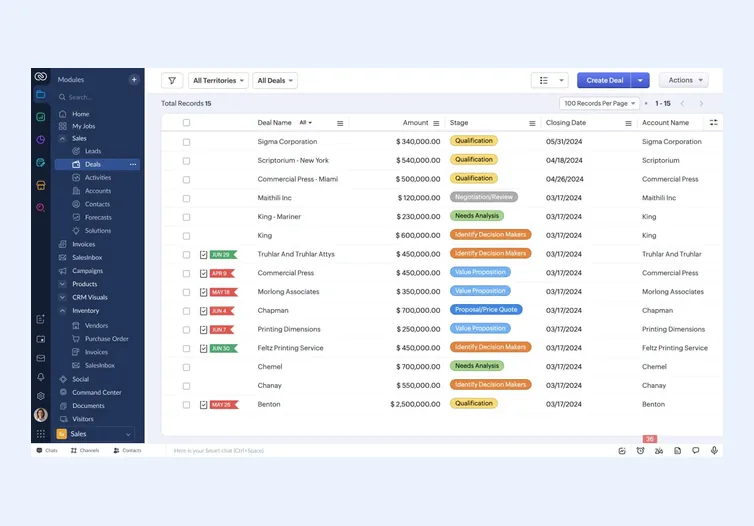
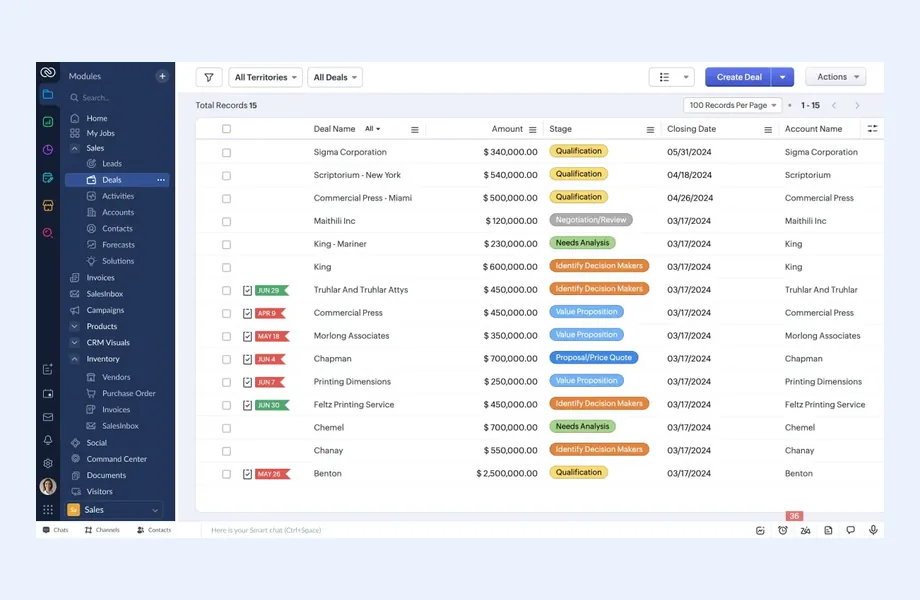
Lead gen forms or landing pages chosen per offer, with automatic sync into your CRM, field mapping, campaign tags and routing to the right salesperson.

Insight Tag and conversion setup aligned with consent, plus regular reports on qualified leads, engaged target accounts and open opportunities drawn from your own CRM records.
How I Work
Fit, audience and language
 Deal value and capacity check
Buying roles mapped
Dutch or English per audience
Account list agreed with sales
Deal value and capacity check
Buying roles mapped
Dutch or English per audience
Account list agreed with sales
Tracking, forms and first campaigns
Insight Tag with consent
Forms synced to CRM
Sequenced formats by stage
Exclusions set carefully
Move budget toward pipeline
Account engagement reviewed
Language tests compared
Opportunities traced in CRM
Keep, pause or scale advice
Each LinkedIn click carries a premium, which only makes sense when the employer, function and seniority of the person clicking really matter to the sale. In the Netherlands that often includes:
It fits less well when the customer is a small business owner who seldom turns to LinkedIn for buying decisions, when the product is inexpensive, or when demand is mostly expressed through search. Many smaller Dutch companies are run by a director who is also the main shareholder, and reaching that person can be as much about search, referrals and local networks as about LinkedIn. I give you that assessment first. Where search is the better start, Google Ads in the Netherlands or SEO comes before LinkedIn spend, and LinkedIn is added once the basics convert.
English is common in Dutch international business, which tempts companies to run everything in English. That can work for some audiences and fall flat for others. I treat language as a targeting decision, set per campaign:
LinkedIn lets you target members by profile language as well as location, which helps separate the two groups, although profile language is an imperfect signal and audiences shrink when you split them. I check estimated sizes before deciding. Dutch text is supplied by native writers on your staff or your copywriter, with attention to formal or informal address and to job titles as Dutch professionals actually use them. Campaigns aimed at Flanders are planned separately, with wording reviewed by someone from Flanders. Results from each language are compared on qualified leads and account engagement, so the choice is made on evidence rather than preference.
A Dutch audience for a specialist role can be small. Combine a precise job title, an industry, a company size band and a location filter and you may end up with too few people to deliver steadily. I build audiences from the buying roles outward:
For account-based work I set up company-level engagement reporting, so the sales team can spot which listed firms are interacting with ads and which roles inside them. That helps the team time outreach rather than calling cold. I keep audience expansion switched off unless widening reach is a deliberate choice, because it can quietly push spend toward people outside the profile you agreed.
A contact export from your CRM can make retargeting and exclusions sharper, yet it moves personal data into LinkedIn's hands. The Autoriteit Persoonsgegevens supervises that kind of processing in the Netherlands, so the upload is a privacy question first and a campaign tactic second. I write a one-page note on the columns, the purpose and the wording in your privacy statement; your privacy officer or lawyer decides whether it may go ahead. Uploading only organization names avoids personal data altogether and frequently gives account targeting all it needs.
Inbox formats call for the same caution. Conversation and message ads cannot be delivered to members everywhere, LinkedIn has turned them off for certain European countries, and Dutch rules on unsolicited electronic messages may also bite. Before anyone drafts a message sequence, I look up what the platform currently permits and have your advisor review it. Frequently a promoted guide or an expert's post opens the same door more gently.
As for capture, the in-platform form fills in name, employer and title automatically, which suits downloads, webinar seats and callback requests once one qualifying question is added. A dedicated page is the better route for demos, consultations and quotes, where a slower, more considered inquiry pays off. I test both and judge them on leads your sales team accepts.
An inquiry that waits until someone exports a spreadsheet has usually cooled. Submissions should flow into the CRM on their own, with the campaign and form stamped on each record and an alert to the account manager responsible. The Insight Tag fires only after banner consent, and if your CRM can talk to LinkedIn's server-side interface, it reports accepted inquiries and opened deals back so the platform learns which people mattered.
Reporting then reflects how Dutch business deals actually move, which is rarely in a straight line:
A link between ad activity and deals shows association, not cause, and I present it that way. Everything is delivered remotely, with review calls inside Dutch working hours. If the CRM needs work first, see my CRM consulting in the Netherlands. Related pages: Meta Ads in the Netherlands, B2B lead generation in the Netherlands and LinkedIn Ads management.

Tell me about your business and current systems. I’ll suggest the most sensible first step.
Book a Consultation
Not sure which ERP you need?
Share your business requirements with me and I will help you understand the right process, architecture and platform before implementation.
FAQ
It depends on the audience. English often works for roles in international companies, while Dutch usually suits domestic SMEs, the public sector and healthcare. When the answer is unclear, I run separate campaigns in each language and compare qualified leads and account engagement. A native writer on your side owns the Dutch wording.
For common business roles it usually is. For narrow specialisms the audience can become too small once filters are stacked. I check estimated size before building, target by function and seniority rather than exact titles, and use company lists or nearby markets such as Flanders only when you can actually sell there.
Only after two checks. Inbox ads are switched off for members in certain European countries, so the platform has to confirm your audience can receive them, and Dutch rules on unsolicited electronic messages may apply as well. Your advisor reviews the plan. A promoted guide or expert post is often the simpler first touch.
A connector copies it into your CRM within minutes, with the campaign and form recorded, and the right account manager gets an alert. Once your team marks it as accepted or turns it into a deal, that status can be reported back to LinkedIn, so future delivery favors people like the ones who became real opportunities.
Every business is different. Share where you are today and what you want to fix, and I’ll tell you honestly whether and how I can help.
Book a Consultation
Insights
 Book a Consultation
Book a consultation to talk through your processes, systems and goals. I’ll reply with practical next steps - no obligation.