Contact Info
 Ahmedabad
How can an ERPNext consultant help an Ahmedabad business?
An independent ERPNext consultant designs the records a business needs beyond the standard setup and keeps custom work upgrade-safe. In Ahmedabad that suits pharma C&F agents holding principal-owned stock, truck operators running loads to the Kutch ports, steel stockists tracing heat numbers through cut pieces, and tile dealers managing shades and box conversions. I guide your developer or implementer, working remotely.
Last reviewed by Vikas Saroj
A large part of Ahmedabad's economy sits between the factory and the end buyer. Pharma carrying and forwarding agents hold stock on behalf of drug makers, truck operators from the transport hubs at Narol, Aslali and Changodar run loads to the Kutch ports, steel stockists cut plate and sheet to order, and tile and sanitaryware dealers sell Morbi output by the square foot.
ERPNext can suit these businesses well, because its open-source base allows the extra records they need without per-user license costs. As an independent ERPNext consultant, I define those records, guide your implementer or developer, and keep the system upgradeable. The work is remote, with visits by arrangement.
 What I Do
I start with the records your business must keep that a standard ERPNext setup does not, and I decide with you whether each one needs configuration, a custom doctype or an outside tool.

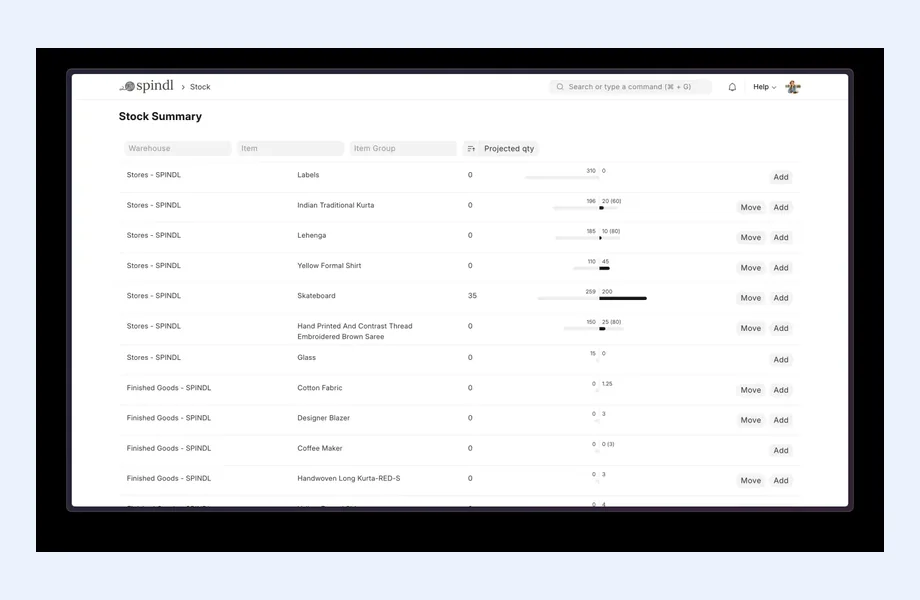
For C&F agents, I design warehouses or companies per principal, batch and expiry tracking, dispatches against the principal's orders and the reconciliation statements each principal expects every month.

For truck operators, I specify trips, lorry receipts, diesel and driver advances, tolls, tires and vehicle document renewals, using ERPNext's vehicle records and custom doctypes where the standard ones stop.

For steel stockists, I design how plates and coils are received by weight with heat numbers, cut to size with offcuts kept as stock, and sold with the mill test documents customers ask for.

For tile and sanitaryware dealers, I set up box to square foot conversions, batches for shade and size so one order is not mixed, display stock and breakage, and room-wise quotations for builders.

I review proposed custom doctypes, scripts and apps against upgrade risk, and ask whether each one could be met by configuration instead, so the system stays maintainable after the developer moves on.

I compare support arrangements with Ahmedabad developers, implementation firms and managed hosting, and define backups, access control and who handles upgrades before go-live rather than after a problem.
How I Work
Study the documents the business runs on
 Lorry receipts and trip sheets
Principal stock statements
Cutting slips and test certificates
Showroom quotations
Lorry receipts and trip sheets
Principal stock statements
Cutting slips and test certificates
Showroom quotations
Decide configuration versus custom build
List required records
Map to standard doctypes
Define custom doctypes
Agree support and hosting
Guide the build and the handover
Review scripts and apps
Test with live documents
Train key users
Document every customization
Ahmedabad is home to many pharmaceutical companies, and around them works a network of carrying and forwarding agents and distributors. A C&F agent receives finished goods from the manufacturer, stores them, dispatches to stockists across a territory and handles returns, breakage and expiry claims. The stock belongs to the principal, not the agent, and the agent's income comes from the service, often linked to dispatch value.
This ownership difference shapes the ERPNext design. Stock must be visible and controlled by batch and expiry, yet it should not appear as the agent's own inventory in the balance sheet. Depending on scale, I design separate warehouses per principal within one company, or separate companies, and test which gives clearer reports. Dispatches may be invoiced by the principal while the agent records the movement, so the document flow needs agreement with each principal.
Each principal usually expects a periodic statement reconciling opening stock, receipts, dispatches, returns and closing stock by batch. Producing that from the system rather than from spreadsheets is often the strongest reason to adopt ERPNext. Near-expiry stock, damaged goods awaiting the principal's decision and goods held for quality reasons each need their own status. Storage conditions and drug regulations should be confirmed with your regulatory advisor. See the pharmaceutical and distribution pages for wider context.
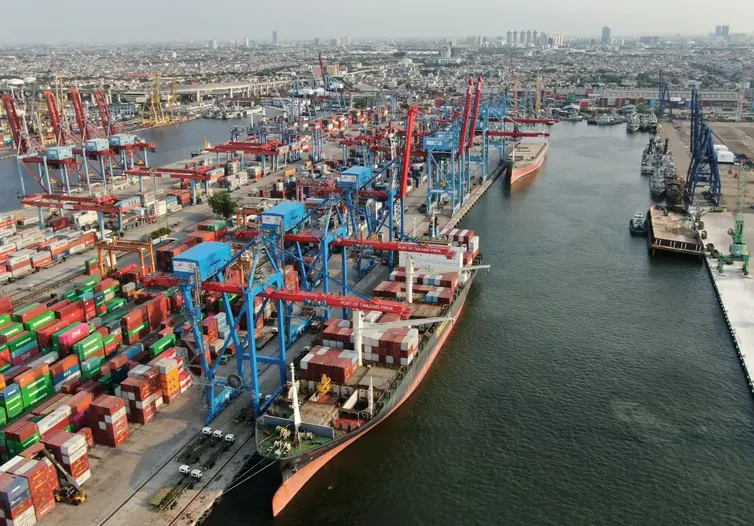
Transport companies clustered around Narol, Aslali, Changodar and the city's highway edges carry containers, bulk cargo and finished goods between Gujarat's industrial estates and the ports in Kutch and on the coast. Many run their business through lorry receipts, trip sheets, diesel slips and a cash book for driver advances, with vehicle documents tracked in a separate register.
ERPNext has vehicle records and delivery trips, but a fleet operator needs more. I specify a trip record linking vehicle, driver, route, customer, freight and every expense incurred on the way: diesel, tolls, loading and unloading charges, and advances paid to the driver. Each trip should show its profit once expenses are settled. Tires and major repairs are tracked per vehicle, and permits, insurance and fitness documents carry renewal dates with alerts.
Most of this is built as custom doctypes on the Frappe framework, which is one of ERPNext's strengths for this kind of business. The risk is building too much. I separate what must be custom from what standard accounting, purchasing and assets already cover, and keep scripts documented. For GPS or fuel card data, I define what is worth importing and what can stay in the provider's own portal. The transportation page describes the general model, and the ERPNext consultant in India page covers e-way bills and national compliance.
Steel stockists and service centers in and around Ahmedabad buy plates, coils, sheets, pipes and structural sections from mills and sell them to fabricators, builders and engineering units, often cut to size. Purchases are by weight, sales may be by weight or by piece, and the difference between theoretical and actual weight is a constant source of disputes and stock errors.
In ERPNext I design item and unit structures so each product carries both weight and dimensions, with conversions that reflect your actual practice. Batches can hold heat numbers so material is traceable to its mill and test documents, which fabricators working on inspected projects often require. When a plate is cut, the order consumes part of it and the offcut returns to stock as a smaller usable piece with the same heat number, not as scrap.
Prices for steel move often, so quotations need short validity and fast updates. Loading, cutting and transport charges are added per order. Stock reports need to show both pieces and tonnage by grade and size so the owner can see what is truly available. I write these as scenarios and test them with your cutting slips and mill documents before configuration, then check that reports remain fast as batch numbers accumulate. My Odoo consultant in Ahmedabad page covers manufacturers with related metal-based pricing.
Morbi, a few hours from Ahmedabad, is a major ceramic tile cluster, and Ahmedabad's showrooms and dealers sell its output alongside sanitaryware, fittings and adhesives. Tiles are stocked in boxes but quoted and often sold by the square foot or square meter. Each production batch has its own shade and sometimes a slight size variation, and a customer who receives boxes from different batches may see a visible difference on the floor.
ERPNext's unit conversions can handle box to area calculations, and batch tracking can hold shade and size codes. The design work is in the rules: sales orders should reserve stock from a single batch where possible, warn when a quantity can only be met by mixing batches, and record which batch went to which site in case the customer needs more later. Display pieces, samples and breakage in transit need their own handling.
Builders and contractors ask for room-by-room or flat-by-flat quotations, and deliveries may be staged as each tower progresses. I design quotations and delivery schedules that follow those projects. Dealer schemes and rebates from manufacturers also need tracking against purchase volumes. These scenarios are tested with your real orders before go-live, and the broader retail picture is on the retail page.
Ahmedabad has a deep pool of software developers, and some businesses here run ERPNext with a single freelance developer or a small local firm. That can work well, but the arrangement needs clear terms: who applies upgrades, who fixes problems during the busiest dispatch days, how backups are tested and what happens if the developer becomes unavailable. I set these out in writing before go-live and compare them with managed hosting and support from an implementation firm.
Customization deserves the same discipline. Every custom doctype, server script and custom app should be listed with its purpose and owner, and reviewed against the next ERPNext version before an upgrade. I review proposals with that in mind and push back when configuration would do the job.
ERPNext is not right for every business on this page. A large C&F operation tied into a principal's own systems may be required to use the principal's software. A fleet operator with many vehicles and real-time tracking needs may be better served by specialist transport software connected to accounts. A chemical or dye maker valuing stock by strength, discussed on my ERP consultant in Ahmedabad page, may need careful testing first. For the product itself, see the ERPNext platform page.

Tell me about your business and current systems. I’ll suggest the most sensible first step.
Book a Consultation
Not sure which ERP you need?
Share your business requirements with me and I will help you understand the right process, architecture and platform before implementation.
FAQ
Yes, with careful design. Stock can be held in warehouses or companies set up per principal, tracked by batch and expiry, and kept out of your own inventory valuation. The principal's statement of receipts, dispatches, returns and closing stock is then produced from the system. I agree the document flow with each principal before configuration.
Yes. Unit conversions handle box to area calculations, and batches can carry shade and size codes. The important design work is in reserving stock from one batch per order, warning before batches are mixed and recording which batch went to which site, all of which I test with your real orders.
For many small and mid-sized operators, yes, using vehicle records and custom doctypes for trips, advances, diesel and document renewals. Operators needing real-time tracking, complex route planning or large fleets may prefer specialist transport software linked to accounts. I compare both routes against your trip sheets and lorry receipts.
Batches can hold heat numbers so each piece links to its mill documents, and cutting can return offcuts to stock as smaller usable pieces under the same batch. The weight and dimension rules need precise definition, so I write them from your cutting slips and test them before go-live.
Every business is different. Share where you are today and what you want to fix, and I’ll tell you honestly whether and how I can help.
Book a Consultation
Insights
 Book a Consultation
Book a consultation to talk through your processes, systems and goals. I’ll reply with practical next steps - no obligation.