Contact Info
 Adelaide
How does Odoo serve Adelaide makers and distributors?
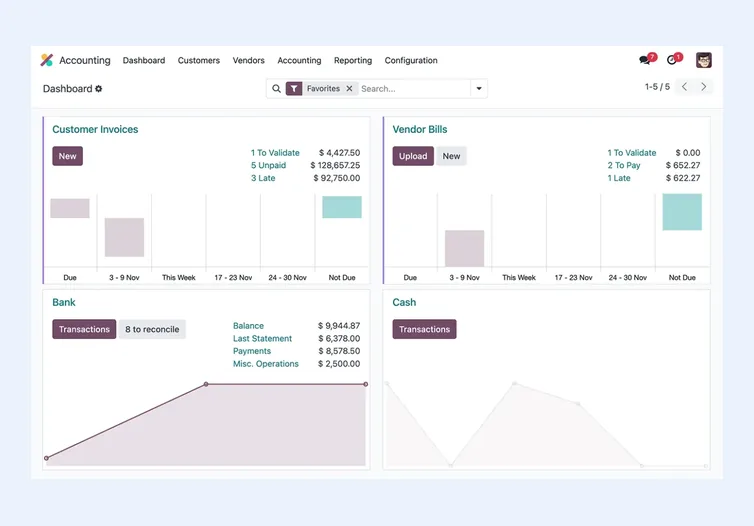
Odoo can run stock, production, sales and accounts in one system for Adelaide businesses whose operations go beyond simple trading: contract bottlers handling wine and dry goods owned by their clients, medical device makers needing lot and serial records, distributors sending freight north to the Northern Territory and outback sites, and farm machinery makers supplying parts through dealers. I test that fit remotely and independently before anything is configured.
Last reviewed by Vikas Saroj
I work remotely, as a freelance and independent Odoo consultant, with Adelaide businesses whose stock and production do not fit a simple trading model: bottlers and packers holding wine and materials that belong to their clients, medical technology makers recording every lot and serial number, distributors loading freight for Darwin and remote sites, and machinery makers whose dealers need parts in a hurry.
Odoo can cover these operations in one system, but only if the design respects how each one really works. I trace the goods and the money first, test the awkward cases early, such as client-owned components or freight charged by destination, and say plainly when a specialist product should sit alongside Odoo or take its place.
 What I Do
Each item starts with the hardest case in your operation, because that is where an Odoo design succeeds or fails.

For bottlers, packers and storage providers, I design how wine, glass, closures and labels owned by each client are received, held, used and reported, and test whether Odoo's owner tracking covers your case in your edition.

Bottling, labeling and packing runs costed and invoiced per job, with setup charges, rates per unit, materials you supplied and any rework recorded, so each client's bill matches what the line actually did.

For medical technology makers, lot and serial tracking from incoming components to finished devices, with quality checks and document control assessed against what your regulatory advisor expects, noting which apps depend on the edition.

Delivery methods, routes and order cut-offs for customers in Darwin, Alice Springs, outback towns and mine sites, with freight priced by zone and weight and partial deliveries handled without confusion.

For farm machinery makers, dealer price lists, online parts ordering, reorder rules that build stock before seeding and harvest, and serial records that connect warranty claims to the machine that was sold.

Whoever configures Odoo works from a written design. I review their build, run tests with your own transactions and keep a list of open items through to go-live and the first weeks after.
How I Work
Test the awkward cases first
 Client stock and owner rules
Device records and quality needs
Freight pricing by destination
Dealer ordering and warranties
Client stock and owner rules
Device records and quality needs
Freight pricing by destination
Dealer ordering and warranties
Settle apps, routes and records
App and edition decision
Warehouses, routes and locations
Pricing and billing rules
Written design for builders
Run real transactions before go-live
Trial runs with real data
Freight and billing checks
Traceability recall drill
Open items closed out
Around the Barossa, McLaren Vale and the Adelaide Hills, many wineries rely on other businesses for part of their production: contract bottlers, mobile bottling lines that move between sites, packers, warehousing providers and suppliers of barrels, closures and labels. These service businesses face a problem that wineries do not, because much of the stock in their sheds belongs to their clients.
A bottler may receive a client's wine by tanker, use glass, closures and cartons the client supplied alongside materials it bought itself, run the bottling and send finished cases to the client's warehouse or straight to a distributor. Odoo Inventory can record an owner against stock in some configurations, which helps keep client goods out of your own valuation. Whether manufacturing orders consume client-owned components the way you need, and how losses and samples are reported back, has to be tested in your edition and version before you commit.
Billing is the other half. Each run may carry a setup charge, a rate per unit, materials supplied by you, rework and storage. I design those charges so they come from the run record rather than a separate spreadsheet, and I check that each client's statement of stock agrees with their own figures. The Odoo Manufacturing page covers production orders, and food and beverage ERP covers the wider sector.
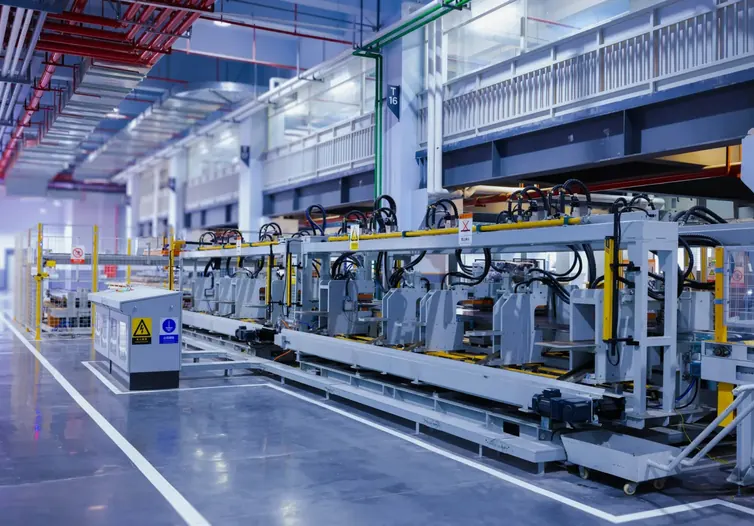
Young medical technology companies around Tonsley and the health precinct on North Terrace may be moving from research into manufacturing. For them, traceability is not optional. Each device needs a record of the component lots and serial numbers that went into it, the inspections it passed, the software or firmware version it carries and the customer who received it.
Odoo handles lot and serial tracking across purchasing, manufacturing and delivery in its standard apps. Quality checks at work centers, engineering change control and controlled documents rely on apps such as Quality, PLM and Documents, which may depend on the edition, so the licensing choice needs settling early. A recall drill during testing, tracing one component lot forward to every customer and one device back to its suppliers, shows whether the setup holds up under pressure.
There is an honest limit. Odoo is a general ERP rather than a validated quality management system, and medical device regulation carries obligations that your regulatory advisor must interpret. Some makers keep a dedicated quality system for complaints, corrective actions and design history, with Odoo handling stock, production and finance. I help draw that boundary before anything is built. The Odoo Inventory page explains stock tracking, and manufacturing ERP covers production more broadly.
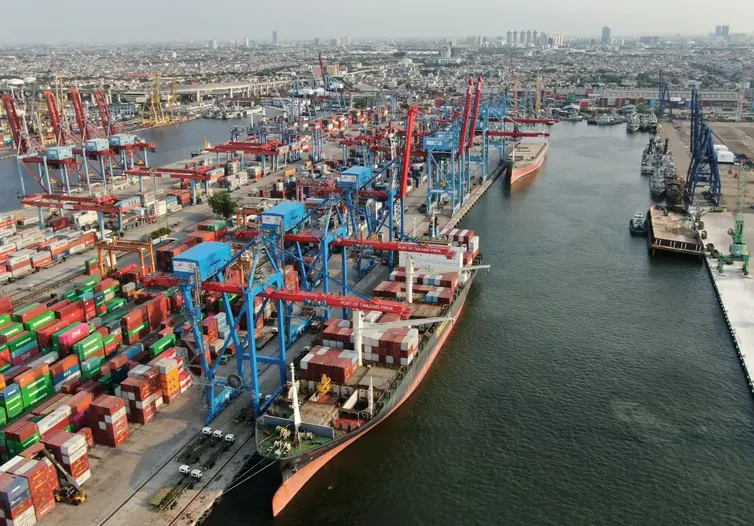
Adelaide serves as a supply base for parts of the Northern Territory and the outback. Distributors in the northern suburbs, around Gepps Cross, Wingfield and Burton, send freight up the Stuart Highway and by rail to Darwin and Alice Springs, and out to towns and mine sites across the north of the state. Orders for those destinations follow different rules from metropolitan ones: fixed departure days, freight priced by zone, weight and volume, minimum order values, and goods that wait for a full load.
Odoo can carry much of this. Delivery methods can price freight by destination and weight, routes can separate picking, packing and dispatch, and batch transfers can group orders for the same departure. Partial deliveries create backorders, which matters when a remote customer would rather wait for the full order than pay for two trips. Customer records can hold delivery instructions, site access rules and receiving contacts.
It gets harder with load planning across many customers and carriers, which may call for a transport management tool connected to Odoo. Dangerous goods bound for mine sites also bring documentation that your logistics advisor should define. I map your real lanes and departure days first, then decide what Odoo should do and what stays with the carrier or a specialist tool. See distribution ERP and inventory and warehousing for more.
South Australia has its share of farm machinery and implement makers, several based in regional towns, selling seeders, spray rigs, chaser bins and tillage gear through dealers in this state and interstate. Their most urgent parts demand comes from someone else's crisis: the week a grower's machine breaks down during seeding or harvest, when a dealer needs the part on the next truck.
Odoo can give dealers a portal or online store with their own price lists, so parts orders arrive complete and priced without phone calls. Reordering rules and forecasts can build parts stock ahead of each season, and serial numbers recorded at sale link every machine to its dealer, owner and build, which makes warranty claims far easier to assess. Repairs and warranty work can be logged against the serial number, with claim costs tracked by dealer and fault.
Two design choices deserve time. First, decide whether dealers see live stock, which helps them but also exposes shortages. Second, decide how much of the machine configuration lives in Odoo, since a seeder with many options can be modeled as variants, as a configurable bill of materials or as a quote that engineering completes. Seasonal planning features and some service apps may depend on the edition. The service management page and the Odoo in Australia page cover related questions.
Odoo suits a wide range of South Australian operations, yet some are better served by specialist software with Odoo at the edges or not at all. Large meat processors, with carcass grading, yields by cut and customer-specific labeling, generally run dedicated processing systems. Grain traders managing positions, pools and grower payments need commodity software. Wineries whose main need is vessel, blend and additive management tend to start with a winery production system and decide afterwards what a general ERP should add.
Defense suppliers are a case for careful testing rather than a firm no. If contracts demand formal configuration management, earned value reporting or security controls that a hosted service cannot meet, Odoo may still serve the commercial side while another system holds the controlled records. Medical makers face a similar split with quality management, as described above.
The decision also depends on people. Odoo rewards a business that names an internal owner, keeps customizations small and plans its upgrades. If nobody can own the system after go-live, a simpler product or a managed service may be wiser. I give you that view early and independently of any implementer, and the Odoo platform page and the Adelaide ERP consultant page help with the wider comparison.

Tell me about your business and current systems. I’ll suggest the most sensible first step.
Book a Consultation
Not sure which ERP you need?
Share your business requirements with me and I will help you understand the right process, architecture and platform before implementation.
FAQ
Odoo can record an owner against stock in some configurations, which keeps client goods out of your valuation and lets you report each client's holdings. Whether manufacturing orders use client-owned components the way your process needs must be tested in your edition and version. I run that test with real bottling runs before you commit.
It provides lot and serial traceability in standard apps, while quality checks, engineering change control and document control rely on apps that may depend on the edition. Odoo is not a validated quality system, so your regulatory advisor should confirm whether a dedicated quality tool is needed alongside it.
It can price freight by destination and weight, group orders for a departure, hold delivery instructions and create backorders for partial shipments. Detailed load planning across many carriers may need a transport tool connected to Odoo. I map your real lanes and departure days before deciding where each task belongs.
Yes, through a portal or online store with each dealer's price list, so orders arrive complete and priced. Serial numbers recorded at sale then connect warranty claims to the machine and the dealer. Decide early whether dealers see live stock, since that helps them plan but also reveals your shortages.
Every business is different. Share where you are today and what you want to fix, and I’ll tell you honestly whether and how I can help.
Book a Consultation
Insights
 Book a Consultation
Book a consultation to talk through your processes, systems and goals. I’ll reply with practical next steps - no obligation.