Contact Info
 Ras Al Khaimah
How can an ERP consultant help a Ras Al Khaimah business?
In Ras Al Khaimah, an ERP consultant shapes the system around process manufacturing, quarrying, exporting and tourism. I design batch and recipe costing for ceramics, building material and pharmaceutical plants, weighbridge-to-invoice flows for aggregates, export order and shipping documents, preventive maintenance for heavy equipment and back-office links for resorts. I compare platforms independently, then support your team remotely.
Last reviewed by Vikas Saroj
I work remotely with businesses in Ras Al Khaimah, the northernmost emirate, where mountains, quarries and a long coastline shape the economy. Heavy industry has deep roots here: ceramics, cement, aggregates, glass and pharmaceutical production, a good share of it shipped abroad through the emirate's own port. Next to it sits a tourism sector of beach resorts, hotels and mountain attractions.
The emirate's economic zone, RAKEZ, hosts many small and mid-sized companies, and its international company registry is used by some holding structures with operations elsewhere. Process plants, export traders, hotels and holding companies all sit within a short drive of each other, and each needs something quite different from an ERP. I start by understanding which of those you are.
 What I Do
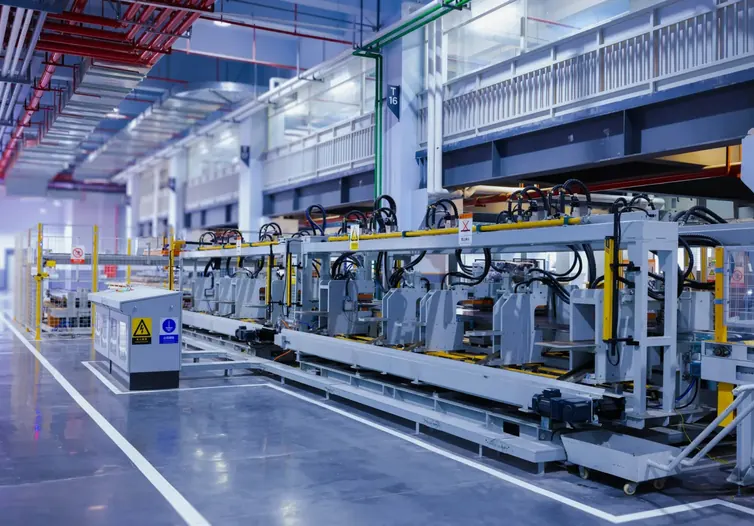
Ras Al Khaimah projects tend to start with the plant or the quarry gate, because that is where volume, cost and quality are decided.

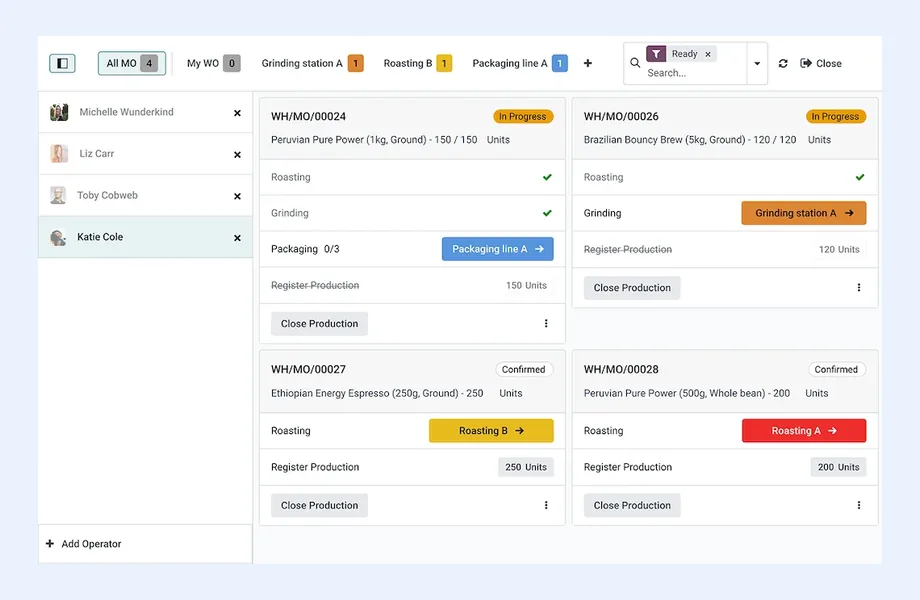
I define recipes, batch sizes, yields, co-products and quality holds for plants that mix, fire, mill or blend materials, so cost per batch reflects real consumption rather than a fixed standard set years ago.

For quarries and building material suppliers, I design how weighbridge tickets, truck loads, delivery sites and per-ton prices flow into invoices, so nothing leaves the gate without being billed.

I map proforma invoices, payment security such as letters of credit, packing lists, origin documents and container bookings, so sales, logistics and finance work from one order record.

Crushers, kilns, mills and loaders need planned servicing and critical spares on hand. I design preventive maintenance schedules, breakdown recording and spare part reorder rules linked to each asset.

For hotels and resorts, I separate what belongs in the property and point-of-sale systems from what belongs in the ERP: purchasing, stores, recipe costing, fixed assets and financial reporting.

Where companies sit across the economic zone, the mainland and an international registry, I design entities, intercompany flows and consolidated views, leaving legal and tax questions to your advisors.
My Consulting Journey
Business first, technology second. You can hire me for one step - a BRD, a gap analysis, a vendor shortlist - or for the whole journey.
How I Work
Learn the material flow
 Follow material from gate to dispatch
Collect batch sheets and tickets
List assets and critical spares
Record export document steps
Follow material from gate to dispatch
Collect batch sheets and tickets
List assets and critical spares
Record export document steps
Design and choose the platform
Write recipe and costing rules
Script plant and export demos
Score vendors on fit gaps
Agree entity and reporting design
Bring the system into service
Load assets, recipes and stock
Run trial batches in testing
Train shift supervisors
Watch the first month closely
Much of the emirate's manufacturing is process manufacturing. Clay, limestone, sand and other minerals come from local quarries or imports, are blended, milled, fired or formulated, and leave as tiles, cement, glass, aggregates or medicines. That is a different world from assembling products out of parts, and many ERP demos are built for the latter.
In a process plant, the questions I ask during requirements work include:
The answers decide whether a platform's standard manufacturing module is enough or whether gaps need extensions or a specialist add-on. I record them in a fit-gap matrix during ERP gap analysis, so vendors respond to your process rather than their demo script. My manufacturing industry page covers production planning more broadly.
The Hajar mountains supply crushed rock and aggregates to construction projects across the UAE, and the businesses that extract, crush and haul it run on high volumes and thin margins. A single quarry can dispatch a long stream of trucks every day, each weighed in empty and out loaded, each bound for a particular customer site at a particular price per ton.
Where the weighbridge, the dispatch office and accounts use separate tools, money leaks. Tickets go missing, loads are delivered against expired price agreements, and credit limits are checked after the truck has left. I design the flow so that the weighbridge reading creates or confirms a delivery automatically, the price comes from the customer's active agreement, and invoices are generated in batches from confirmed deliveries.
Other details matter too: own trucks versus hired haulers, haulage charged separately from material, product grades and sizes, royalties or fees tied to extraction where they apply, and stockpile measurement at month-end compared with book stock. Where the weighbridge software can export or connect, I specify that link through my ERP integration service. The construction industry page shows how your customers' side of these deliveries works.
Many Ras Al Khaimah manufacturers sell a large part of their output abroad, shipping through Saqr Port or other UAE ports to buyers across the Gulf, Africa, South Asia and further afield. Export orders bring a chain of paperwork and timing that domestic sales do not.
A typical export order moves from inquiry to proforma invoice, then to payment security such as an advance or a letter of credit, then to production scheduling, container booking, packing lists, certificates of origin, shipping documents and finally collection. If each step lives in a different inbox, a missed detail can delay payment under a letter of credit or leave a container waiting at the quay.
I design the ERP so that one sales order carries the full export record: agreed delivery terms, currency, payment method, required documents and shipment status. Document templates draw from that record, so the same consignee name and product descriptions appear everywhere. For plants selling in several currencies, I agree how exchange differences are recorded with your accountant. Freight forwarders and inspection agencies usually stay outside the ERP, so I define what information comes back from them and who enters it.
Tourism has become a growing part of the Ras Al Khaimah economy: beachfront resorts along the coast and on the islands off it, hotels in the city, and mountain attractions that draw day visitors. Hospitality businesses here run on front-line systems built for the job, such as a property management system for rooms and point-of-sale systems for restaurants, bars and spas.
An ERP is not a replacement for those systems. Its role is behind the scenes: central purchasing and receiving, stores for food, beverage and guest supplies, recipe costing for outlets, fixed assets for furniture and equipment, and the general ledger that brings everything together. The design question is how much detail flows from the front-line systems. Daily revenue summaries by outlet and payment type are often enough; posting every guest charge into the ledger usually adds noise.
Resort operators also tend to have seasonal staffing, maintenance of pools, landscaping and plant rooms, and occasionally several properties under one owner. I scope those needs in a short requirement document before any vendor conversation. The hotels industry page goes deeper into the property side of an ERP.
RAKEZ hosts companies of every size, from trading start-ups to sizeable industrial plants, and some groups combine a zone company, a mainland company and an entity registered in the emirate's international company registry. Each has its own records to keep. I set up each legal entity as a separate company in the ERP, define intercompany sales, recharges and loans, and build a consolidated management view. Questions about substance, tax residency or corporate tax treatment go to your advisors, and I design the system around their answers.
I work remotely with businesses in Ras Al Khaimah from India, with a short time difference that leaves most of your working day inside mine. Plants run shifts, so I schedule short sessions around handovers and use photos of batch sheets, weighbridge tickets and maintenance logs to understand the floor. Plant sites in the emirate can be a long way from anywhere else, and a visit can be planned by arrangement when it would help, but the project is designed to run without one.
For national topics such as VAT and e-invoicing, see my UAE ERP consultant page. Other services are listed on the UAE hub, and you can contact me about your plant or property.

Tell me about your business and current systems. I’ll suggest the most sensible first step.
Book a Consultation
Not sure which ERP you need?
Share your business requirements with me and I will help you understand the right process, architecture and platform before implementation.
FAQ
Several platforms can, but their strength varies. The key tests are variable yields, co-products and off-grade output, energy allocation and quality release before sale. I script those scenarios using your real batch data and ask each vendor to run them, then record where standard features fall short and what an extension would cost to build and maintain.
Ideally the weighbridge reading confirms the delivery in the ERP automatically, priced from the customer's active agreement, and invoices are produced in batches from confirmed loads. Where the weighbridge software cannot connect, a validated file import at the end of each shift is a practical alternative to retyping tickets by hand.
The software can be the same, but each legal entity should be set up separately in the ERP, keeping distinct books and reports. Where a group has both, I design intercompany transactions and a consolidated view. The legal and tax consequences of the structure are for your advisors, and the setup follows their guidance.
Yes, and that is the usual pattern. Rooms, folios and outlet tills stay in the hotel's own front-line software, while the ERP covers purchasing, stores, recipe costing, assets and the ledger. I define what flows between them, at what level of detail and how often, so finance can reconcile without double entry.
The engagement runs remotely, using video sessions, shared documents and photos or short clips from the floor. Where walking the plant or quarry would clearly improve the design, a visit can be planned by arrangement, but no phase of the work is built around it.
Every business is different. Share where you are today and what you want to fix, and I’ll tell you honestly whether and how I can help.
Book a Consultation
Insights
 Book a Consultation
Book a consultation to talk through your processes, systems and goals. I’ll reply with practical next steps - no obligation.