Contact Info

 Muscat
What does an ERP consultant do for Muscat companies?
In Muscat, an ERP consultant helps head offices control branches and warehouses spread across Oman, and supports factories in the industrial estates, vehicle and equipment dealers with workshops, hotels and suppliers to government bodies. I design branch reporting and approvals, transfers to distant sites, workshop job cards, tender-to-payment tracking and practical setups for teams with patchy connectivity. Everything runs remotely.
Last reviewed by Vikas Saroj
I work remotely with businesses in Muscat, a capital that stretches along the coast between the mountains and the sea. Ruwi has long been a commercial and banking district, Al Khuwair and the surrounding areas hold ministries and corporate offices, Qurum and Madinat Al Sultan Qaboos mix offices, retail and homes, and Ghala, Wadi Kabir and the Rusayl industrial estate host workshops, plants and warehouses.
Many Muscat companies keep their head office here while their operations reach far beyond the city: a warehouse near Sohar, a branch in Salalah, a site team at Duqm or depots in interior towns. The ERP challenge is often control at a distance, keeping a nationwide business visible from one office without slowing the branches down.
 What I Do
Most Muscat engagements balance head office oversight against branches and sites that need to keep moving on their own.

I define what branches may do on their own, such as local purchases, cash sales and stock issues, and what needs head office approval, then build approval limits and branch reports around that.

Goods sent from a Muscat warehouse to Sohar, Salalah, Duqm or interior depots need clear transfer documents, in-transit stock and receipt confirmation at the far end, which I design and test.

For factories in Rusayl and nearby estates, I set up bills of materials, production orders and costing sized to the plant, with dispatch linked to the customer orders they serve.

Vehicle and equipment dealers combine unit sales, parts and workshop jobs. I design job cards, parts issues, warranty claims and labor recording so each repair shows its true margin.

Suppliers to ministries and government companies need tenders, awards, purchase orders, delivery approvals and invoice follow-up in one trail. I design that trail so cash is not stuck in paperwork.

Sites with weak connections need routines that keep working. I check mobile and offline options on shortlisted platforms and design simple end-of-day sync and review steps.
My Consulting Journey
Business first, technology second. You can hire me for one step - a BRD, a gap analysis, a vendor shortlist - or for the whole journey.
How I Work
See the whole network
 List branches, depots and sites
Map approvals and authority
Trace a transfer end to end
Review branch reports
List branches, depots and sites
Map approvals and authority
Trace a transfer end to end
Review branch reports
Balance control and speed
Set branch permissions
Define transfer statuses
Script vendor scenarios
Agree the rollout order
Go live site by site
Start with Muscat operations
Add branches in waves
Train branch leads remotely
Review controls after each wave
Muscat developed as a string of neighborhoods rather than one center. Muttrah, with its souq and harbor, is now oriented more toward tourism and passenger traffic, while most container trade passes through ports elsewhere in Oman. Ruwi grew up as a commercial district for trading houses, banks and small retailers. The ministries and many corporate offices sit around Al Khuwair, and newer office, hotel and retail developments spread along the coast toward Seeb and the airport. A technology park, Knowledge Oasis Muscat, houses IT and services firms.
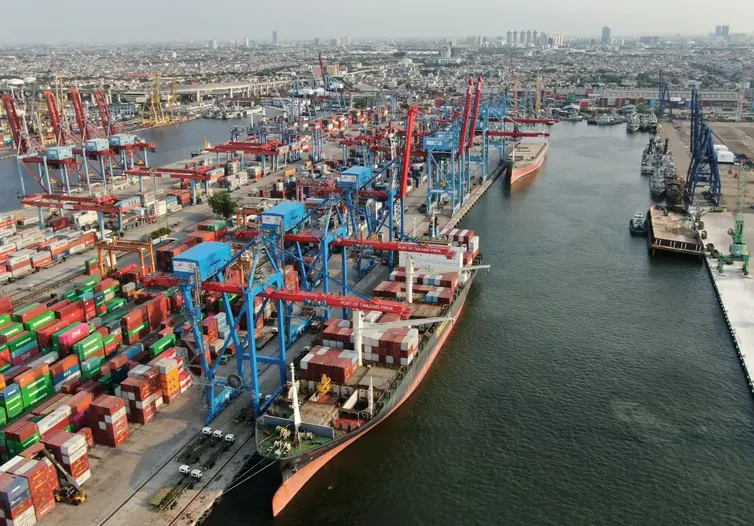
The physical economy sits mostly in Ghala, Wadi Kabir and the Rusayl industrial estate: vehicle and equipment workshops, building material yards, light manufacturing, food processing, printing and warehouses for distributors who supply the whole country from the capital.
For an ERP, that layout means a typical Muscat company keeps its management in one district, a warehouse or plant in another and customers across the country. Requirements gathering starts with mapping where documents are created and approved, where goods sit and who needs to see what. VAT, three-decimal rial handling and e-invoicing readiness are national topics covered on my Oman ERP consultant page, so here I focus on how the city's own structure shapes the system.
Oman is a large country with a modest population spread along the coast and through the interior, and many companies run it from Muscat. A distributor may stock goods in Muscat, keep a depot near Sohar for the north, serve Salalah from a branch in Dhofar and supply contractors at Duqm. A services company may run teams at client sites hundreds of kilometers away.
That creates a recurring set of ERP questions:
I answer these with your management before configuration, because they drive user roles, approval rules, warehouse structure and reporting. Branch reporting in particular is easier to get right at the start than to bolt on later. My ERP process mapping service captures these flows, and the distribution industry page covers nationwide supply chains.
Muscat's industrial districts are full of businesses that combine selling with servicing. Vehicle dealers sell new and used units, stock parts and run workshops. Equipment suppliers rent, sell and maintain generators, forklifts and air conditioning plant. Many hold the local agency for a foreign brand and must report to it in a particular format.
For these businesses, the workshop is where control most often slips. A job card is opened, parts are issued, technicians spend time, sublet work is added, and the invoice goes out without anyone checking whether every part and hour was charged. Warranty work adds claims to the brand that need tracking until settled. I design job cards linked to parts issues and labor time, warranty claim records and margin reports by job, technician and job type. Where a brand-mandated dealer system already handles parts or sales, I define how it connects to the ERP rather than replacing it.
Plants in the Rusayl estate, producing food, packaging, building products or chemicals, need production orders, costing and quality checks scaled to their size. I keep the first phase lean and add planning features when the basics work. The automotive industry page goes further into dealer and workshop flows.
Because Muscat is the seat of government, many of its companies sell to ministries, government-owned companies and large institutions. These buyers work through formal tenders, vendor registration, purchase orders with strict references, delivery or completion certificates and multi-step invoice approval. A supplier can deliver on time and still wait for payment because a certificate is missing or an invoice reference does not match.
I design a trail in the ERP that links each tender to its award, purchase order, deliveries, certificates and invoices, with the buyer's references carried on every document. Aging reports then show not just what is overdue but why: awaiting certificate, awaiting approval or disputed. Tender pipelines can sit in a CRM if the volume justifies it, linked to the ERP once an award arrives.
Hospitality is the other strong thread in the capital. Hotels along the coast and in the business districts, tour operators and restaurant groups need purchasing, stores, recipe costing and integration with their property and point-of-sale systems. Facility management companies serving offices and government buildings bill against service contracts and work orders. The facility management page covers that model in more depth.
I work remotely with businesses in Muscat from India. Oman's clock runs only a short way behind mine, so almost your entire working day sits inside my own, which makes it easy to hold sessions with headquarters staff in the morning and with branch staff later in the day.
For nationwide companies, remote work is less of a compromise than it sounds. Branch teams in Sohar, Salalah or Duqm would join a Muscat workshop by video anyway, so everyone takes part on the same footing. I keep branch sessions short and practical, often built around photos of the transfer notes, job cards and delivery certificates they handle every day.
A phased rollout usually works best: Muscat operations first, then branches in planned waves, with a review of controls after each wave. That way head office learns the system before supporting others. Visits can be planned by arrangement where a session in person would make a real difference, but the project is built to run without them. The Oman hub lists my other services, and you can reach me here to discuss your network of sites.

Tell me about your business and current systems. I’ll suggest the most sensible first step.
Book a Consultation
Not sure which ERP you need?
Share your business requirements with me and I will help you understand the right process, architecture and platform before implementation.
FAQ
Usually as one company with separate warehouses, clear transfer documents and an in-transit status between them. Sohar staff confirm receipts on their side, so stock never disappears between sites. If the Sohar operation is a separate legal entity, I design intercompany transfers instead, following your accountant's view of each entity.
Often yes, depending on the platform and the task. Some offer mobile apps that work offline and sync later, while others need a stable browser connection. I test those options against your sites' real conditions and design simple routines, such as end-of-day sync and review, so branches keep working even on a bad day.
By making sure every invoice carries the buyer's references and is backed by the right certificates. I design an ERP trail from tender to payment with those references on each document, and aging reports that show why an invoice is waiting. Chasing payment then becomes a matter of supplying the specific missing items.
The work is designed for remote delivery: video workshops, shared files and pictures sent from your sites. A visit to Muscat can be discussed by arrangement where meeting in person would clearly help, but every phase of the project can be completed without one.
Every business is different. Share where you are today and what you want to fix, and I’ll tell you honestly whether and how I can help.
Book a Consultation
Insights
 Book a Consultation
Book a consultation to talk through your processes, systems and goals. I’ll reply with practical next steps - no obligation.