Contact Info

 Zoho Inventory in New Zealand
Is Zoho Inventory a good fit for a New Zealand distributor or online seller?
Zoho Inventory suits many New Zealand importers, wholesalers and online sellers that hold stock in one or two locations, often one per island, and sell through a web store, Trade Me or trade accounts. The work is in modeling inter-island transfers, landed cost on imports, courier labels and the link to Xero or Zoho Books, where GST invoices belong. I design and test that setup independently and remotely.
Last reviewed by Vikas Saroj
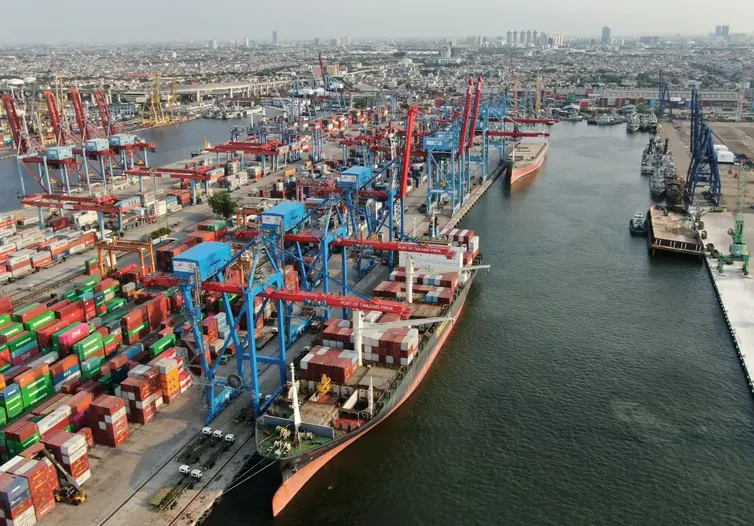
Stock in New Zealand rarely sits still. Containers arrive at Auckland or Tauranga, goods are split between a North Island warehouse and a South Island one, pallets cross Cook Strait by ferry, and parcels head to rural addresses that couriers charge extra to reach. Meanwhile orders come in from a web store, Trade Me, trade customers and perhaps buyers in Australia.
Working remotely with the owner and whoever runs the warehouse, I test whether Zoho Inventory can carry that flow, then lay out items, locations, transfers and channels so the stock figure on screen matches what is on the shelf in each place.
 What I Do
I start with how goods physically move around the country, then make the system follow the freight.

Warehouses for each island, a third-party logistics site or a retail back room, with rules on which location fulfils which orders and how stock is rebalanced between them.

Transfer orders that keep inter-island stock visible while it is on a truck or ferry, so neither warehouse sells goods that have not yet arrived.

Web store, Trade Me and other marketplaces mapped to their connector route, native where Zoho provides one and through middleware where it does not, with clear support ownership.

Packages, labels and tracking numbers handled in Zoho Inventory or a shipping tool, with rural delivery and oversize surcharges reflected in what you charge.

Freight, customs, biosecurity and clearance charges spread across each shipment's items, if your edition has the feature and your accountant counts those charges as stock cost.

Invoices, credit notes and stock value reconciled with Xero or Zoho Books, where GST treatment is applied as your accountant directs.
How I Work
Track goods from wharf to door
 Import receipt walkthrough
Island-by-island stock flow
Channels and couriers listed
Ledger choice confirmed
Import receipt walkthrough
Island-by-island stock flow
Channels and couriers listed
Ledger choice confirmed
Locations, transfers and channels
Item master tidied
Transit stock modeled
Connectors tested
Landed cost rules agreed
Opening counts and first month
Stocktake per location
Parallel order run
Cycle counts scheduled
Month-end reconciliation
A New Zealand business selling nationwide often keeps stock in the North Island, near most of its customers and its import port, and a smaller holding in the South Island so Christchurch, Dunedin or Nelson orders do not wait for freight to cross Cook Strait. Some use a third-party logistics provider for one side and their own unit for the other.
Zoho Inventory supports multiple warehouses and transfer orders between them. The design work is in the details:
Freight across the strait and to rural areas costs real money, so I also set up reports showing transfer volumes and costs by route. That makes it easier to decide whether a product line should be stocked on both islands or only one. The general product features are on my Zoho Inventory page.
A New Zealand online seller may run its own web store, list on Trade Me and sell into Australia through a separate storefront or marketplace. All of them draw down one pool of stock, and a slow update means a sold-out item still showing as available.
Zoho Inventory offers native connectors for a set of international platforms and web store builders. Whether there is a native route for Trade Me, or for the store platform you use, and how it handles listings, order status and returns, should be confirmed with Zoho or a connector provider. Failing that, an integration service in the middle can pass orders in and quantities out. Someone has to own that link, monitor failures and know who to call.
The decisions I make with you:
If you also run an Australian entity holding stock, its setup and tax configuration differ; my Zoho Inventory in Australia page covers that side.
Parcels to urban addresses, parcels to rural delivery addresses, pallets to trade customers and bulky items by freight company all need different handling. Rural and remote deliveries often carry surcharges, and if those are not reflected in what the customer pays, margin disappears quietly.
Zoho Inventory talks directly to some carriers and shipping aggregators, and it can also store consignments booked somewhere else. Which New Zealand couriers can print labels directly from your account is something to confirm with Zoho or a shipping aggregator before you design the warehouse routine around it. If your dispatch team already books through a courier's own software, a clean handoff may serve better than a replacement:
Pallet freight to trade customers is often booked by phone or email with a carrier. Even then, recording the consignment number on the shipment means the office can answer where an order is without ringing the depot.
For a New Zealand importer, the cost of a carton on the shelf includes the supplier price, sea or air freight, customs charges, biosecurity and clearance fees, and local cartage. If only the supplier price lands in stock value, margins look better than they are.
Editions of Zoho Inventory that carry a landed cost function can spread these charges over the items received; ask Zoho whether yours does and check the resulting entries in the ledger. Which costs belong in stock value, and how GST on imports is treated, is for your accountant to decide. I make sure the system applies their rules consistently and that foreign currency supplier bills are recorded at the rate they specify.
For food, health and personal care products, batch and expiry tracking matters, especially for businesses supplying supermarkets or exporting. I set up batch capture at receipt, earliest-expiry picking and a mock recall test before go-live.
Then the ledger link:
The choice between the two ledgers is weighed on my Zoho Books vs Xero comparison.
Zoho Inventory works well for trading and fulfilment. For some New Zealand businesses, it is not enough:
Where Zoho Inventory is right, I guide setup or review an implementer's configuration against the agreed design, then test with your warehouse team. Sessions run remotely in your afternoon, and on-site help is by arrangement only. Platform-level questions about Zoho here are answered on my New Zealand Zoho page; general systems advice starts at the New Zealand hub and ERP consulting for New Zealand.

Tell me about your business and current systems. I’ll suggest the most sensible first step.
Book a Consultation
Not sure which ERP you need?
Share your business requirements with me and I will help you understand the right process, architecture and platform before implementation.
FAQ
Yes. Each island's site can be a separate warehouse, and transfer orders move stock between them. I design the transfer so goods show as in transit until received, set reorder points per location and add reports on transfer volumes, so you can judge which products belong on both islands.
Confirm current options with Zoho or a connector provider, because native channel integrations change and may not cover every New Zealand marketplace. Where nothing native exists, a middleware service can sync orders and stock. I compare the routes and agree who monitors the link and fixes failed syncs.
It can, but check whether a direct integration exists for your edition or whether middleware is needed. With Xero, I define which system raises invoices, how stock value reaches the ledger and how figures reconcile at month end. With Zoho Books, items and invoices are shared natively.
Your accountant decides which import costs belong in stock value. If they include freight, customs, biosecurity and clearance fees, those charges can be spread over received items where your edition has landed cost support. I verify that with Zoho and check the postings before go-live.
Every business is different. Share where you are today and what you want to fix, and I’ll tell you honestly whether and how I can help.
Book a Consultation
Insights
 Book a Consultation
Book a consultation to talk through your processes, systems and goals. I’ll reply with practical next steps - no obligation.